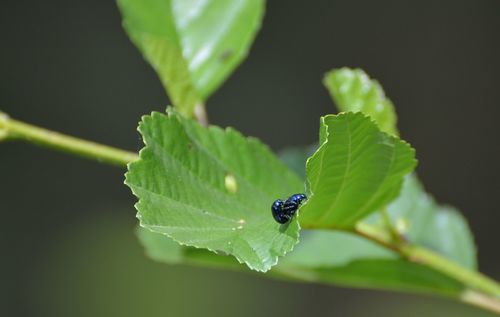
Lesser Diving-Beetle

Lesser Diving-Beetle

Acilius sulcatus

Daily sighting probability ~10% · With luck
at Snowdonia National Park

In 3 days ~20% in a week ~40%

7 Verified sightings at Snowdonia National Park From 2019 to 2026
7 In 1 park
April Best month
🌅 Crepuscular When it's spotted

About the Lesser Diving-Beetle

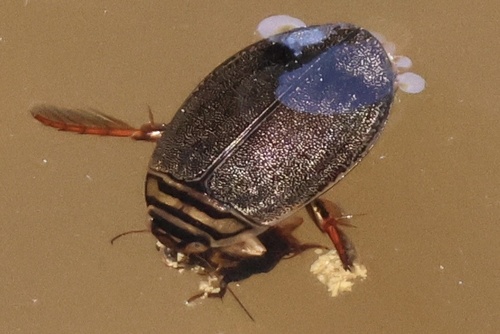
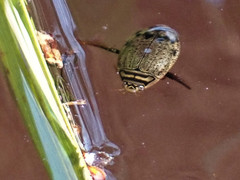
Acilius sulcatus, known as the lesser diving beetle, is a species of water beetle in the family Dytiscidae. It is fairly large (14.4 – 18.2 mm), with color variation shown throughout its range. Typically it is yellow and black.

A. sulcatus has a worldwide distribution but is found primarily in North Western Europe. A. sulcatus is known throughout Europe as the lesser diving beetle, a common name shared with many other aquatic beetles in the family Dytiscidae.

Temporary and permanent water bodies. A. sulcatas shows a generalist response to habitat choice, living in bogs, ponds, streams, etc. As A. sulcatus is able to fly, it is not restricted to a single body of water. A. sulcatus is found in water bodies with high and low levels of vegetation, showing no preference between the two. They dominate in water bodies without any fish predators and are used as a primary indicator of predator presence.

A. sulcatus is found over a large range and is not thought to face any pressures on the continuity of the species; as such, the beetle has not been evaluated by the IUCN. A unique morph is, however, recognized in the Akfadou... Wikipedia →
Global Distribution

Parks Where Found

# Park Country Daily sighting probability
1 Snowdonia National Park 🇬🇧 United Kingdom
~10%

More parks will be added in future updates.

Cities Where Found

# City Country Daily sighting probability
1 Novosibirsk 🇷🇺 Russia
<5%
2 Berlin 🇩🇪 Germany
<5%
3 London 🇬🇧 United Kingdom
<5%
4 Vienna 🇦🇹 Austria
<5%
5 Moscow 🇷🇺 Russia
<5%

Before you go

What are the chances of seeing a Lesser Diving-Beetle in Snowdonia National Park?

With luck

About 10% of wildlife watchers report a Lesser Diving-Beetle sighting in Snowdonia National Park on a given day, based on 7 verified sightings from GBIF citizen-science data from 2019 to 2026. It is the 264th most-seen of the 387 insects we can rate there. Over three days the chance rises to about 20%, and over a week to about 40%, if each day is a fresh chance.

When is the best time to see a Lesser Diving-Beetle in Snowdonia National Park?

April and June–July

In those months about 10% of wildlife watchers report a Lesser Diving-Beetle in Snowdonia National Park on a given day, against under 5% in May and August–March, the lowest months.

What time of day is best to see a Lesser Diving-Beetle?

Between 5 and 8 pm

Across all the parks we cover, that three-hour window holds the most Lesser Diving-Beetle sightings with a recorded time, and about 6 in 10 of them come between 6 am and 6 pm: it is most active around dawn and dusk.

Where else can you see a Lesser Diving-Beetle?

Only Snowdonia National Park, in our data

Snowdonia National Park is the only park on Wallace's Line with enough records to rate Lesser Diving-Beetle sightings: about 10% of wildlife watchers there report one on a given day.

Which relatives of the Lesser Diving-Beetle live in Snowdonia National Park?

Same order: Coleoptera

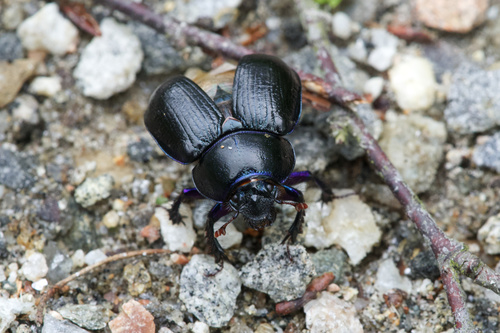
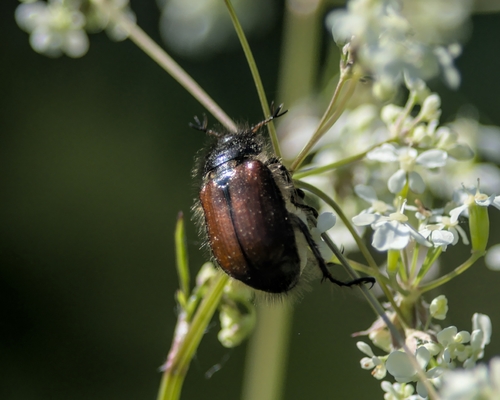
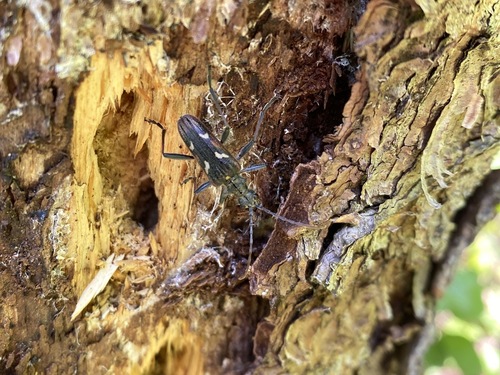
The closest relatives of the Lesser Diving-Beetle that you can see in Snowdonia National Park (order Coleoptera, Beetles) are Woodland Dor Beetle (about 30%), Garden Chafer (about 30%) and Two-Banded Longhorn Beetle (about 20%), with each one's daily chance of a sighting.

Where does the Lesser Diving-Beetle sighting chance come from?

GBIF citizen-science records

It is estimated from how often the Lesser Diving-Beetle is recorded against all the insects logged in Snowdonia National Park (7 verified sightings from 2019 to 2026), calibrated against known sighting rates. Figures are rounded to the nearest 10% because citizen-science data supports honest approximations, not decimals, and months with records from fewer than five people show "—". How it works.

← Back to Snowdonia National Park