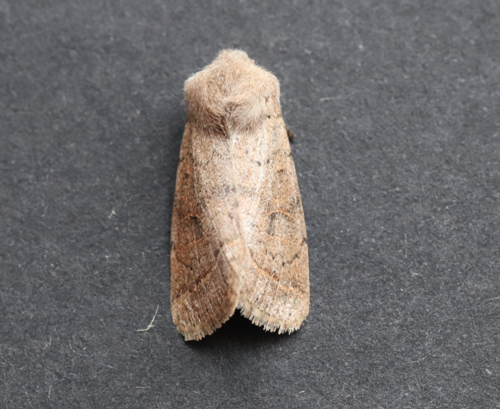
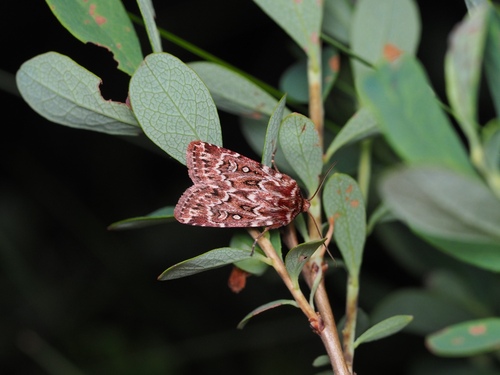
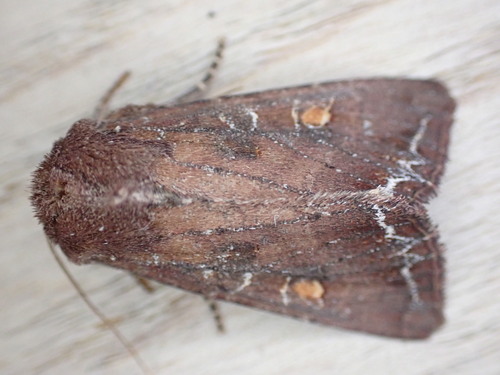
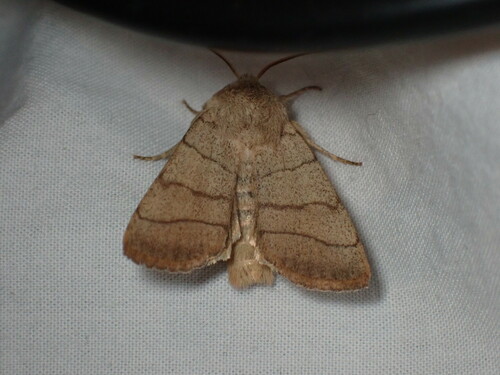
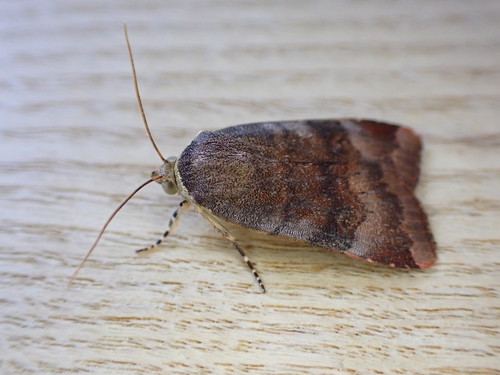
Marbled White-Spot

Marbled White-Spot

Deltote pygarga

Daily sighting probability ~10% · With luck
at Snowdonia National Park

In 3 days ~40% in a week ~70%

23 Verified sightings at Snowdonia National Park From 2019 to 2026
183 In all 5 parks
June Best month
☀️🌙 Day & Night When it's spotted

About the Marbled White-Spot

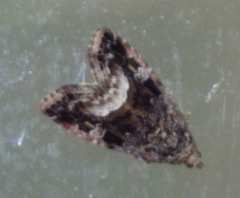
Protodeltote pygarga, the marbled white spot, is a species of moth of the family Noctuidae. It is found in the Palearctic realm. It is found throughout Europe including Scandinavia. In the east the range over Asia minor, northern Iran, Afghanistan, southern Siberia, Central Asia, China then to Sakhalin, Korea, Japan and Taiwan. In the south in the countries bordering the Mediterranean including some islands. It is found up to 1000 m in the Alps.

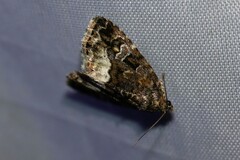
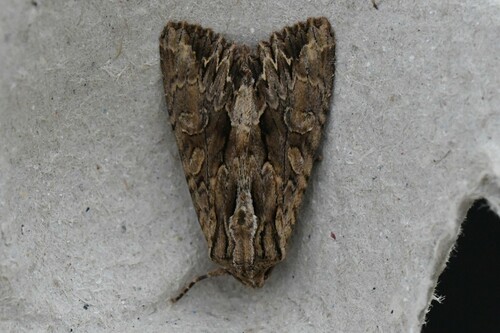
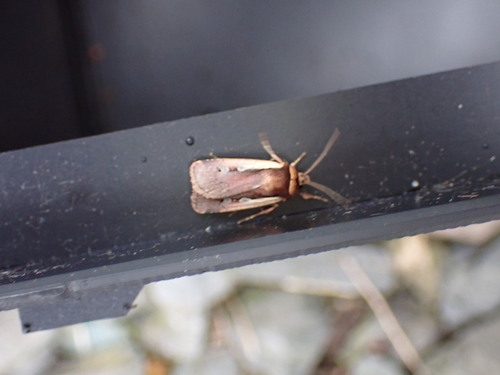
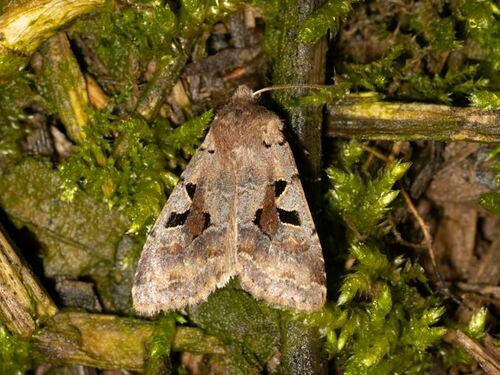
The wingspan is 20–26 mm. Forewing white, suffused with fuscous and black; inner and outer lines double, blackish; the inner filled in with grey and obscure; the outer with white, strongly excurved beyond cell; stigmata grey, with paler outlines; the orbicular round, the reniform kidney shaped; separated by black scaling, which also follows the reniform; claviform grey brown, edged with white at end, and followed by black scaling; submarginal line pale, preceded by dark shading which thins out towards inner margin; the space beyond outer line in lower half of wing more or less white; hindwing fuscous: the fringe whitish; - in the form albilinea Haw. the dark shading before submarginal line is so strongly... Wikipedia →
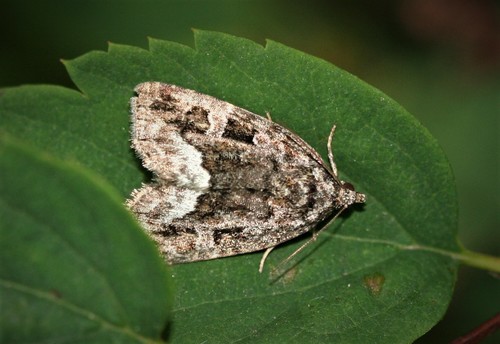
Global Distribution

Parks Where Found

# Park Country Daily sighting probability
1 Snowdonia National Park 🇬🇧 United Kingdom
~10%
2 Pyrénées National Park 🇫🇷 France
~10%
3 Bavarian Forest National Park 🇩🇪 Germany
~10%
4 Triglav National Park 🇸🇮 Slovenia
~10%
5 Wadden Sea National Park 🇩🇪 Germany
~10%

Cities Where Found

# City Country Daily sighting probability
1 Porto 🇵🇹 Portugal
~10%
2 Helsinki 🇫🇮 Finland
~10%
3 Hamburg 🇩🇪 Germany
~10%
4 Nizhny Novgorod 🇷🇺 Russia
~10%
5 Minsk 🇧🇾 Belarus
<5%
6 Essen 🇩🇪 Germany
<5%
7 Berlin 🇩🇪 Germany
<5%
8 Moscow 🇷🇺 Russia
<5%
9 Kyiv 🇺🇦 Ukraine
<5%
10 Saint Petersburg 🇷🇺 Russia
<5%

Before you go

What are the chances of seeing a Marbled White-Spot in Snowdonia National Park?

With luck

About 10% of wildlife watchers report a Marbled White-Spot sighting in Snowdonia National Park on a given day, based on 23 verified sightings from GBIF citizen-science data from 2019 to 2026. It is the 88th most-seen of the 387 insects we can rate there. Over three days the chance rises to about 40%, and over a week to about 70%, if each day is a fresh chance.

When is the best time to see a Marbled White-Spot in Snowdonia National Park?

June

In that month about 30% of wildlife watchers report a Marbled White-Spot in Snowdonia National Park on a given day, against under 5% in August–September and November–April, the lowest months.

What time of day is best to see a Marbled White-Spot?

Between 10 pm and 1 am

Across all the parks we cover, that three-hour window holds the most Marbled White-Spot sightings with a recorded time, and about 7 in 10 of them come between 6 pm and 6 am: it is seen both by day and at night.

Is Snowdonia National Park the best place to see a Marbled White-Spot?

Yes

Of the 5 parks where we can rate Marbled White-Spot sightings, Snowdonia National Park has the highest daily chance: about 10%. Next come Pyrénées National Park (France, about 10%) and Bavarian Forest National Park (Germany, about 10%).

Which relatives of the Marbled White-Spot live in Snowdonia National Park?

Same family: Noctuidae

The closest relatives of the Marbled White-Spot that you can see in Snowdonia National Park (family Noctuidae, Cutworm Moths and Allies) are Large Yellow Underwing (about 30%), Dark Arches (about 30%) and Flame Shoulder Moth (about 20%), with each one's daily chance of a sighting.

Where does the Marbled White-Spot sighting chance come from?

GBIF citizen-science records

It is estimated from how often the Marbled White-Spot is recorded against all the insects logged in Snowdonia National Park (23 verified sightings from 2019 to 2026), calibrated against known sighting rates. Figures are rounded to the nearest 10% because citizen-science data supports honest approximations, not decimals, and months with records from fewer than five people show "—". How it works.

← Back to Snowdonia National Park