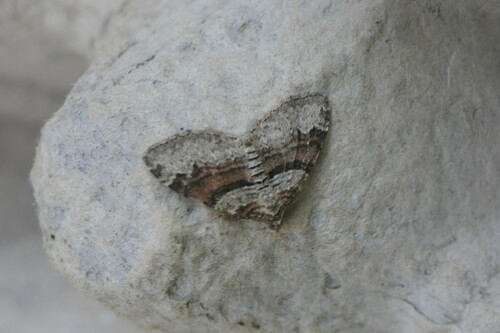
Northern Spinach

Northern Spinach

Eulithis populata

Daily sighting probability ~10% · With luck
at Snowdonia National Park

In 3 days ~30% in a week ~50%

11 Verified sightings at Snowdonia National Park From 2019 to 2026
91 In all 6 parks
June Best month
☀️ Diurnal When it's spotted

About the Northern Spinach

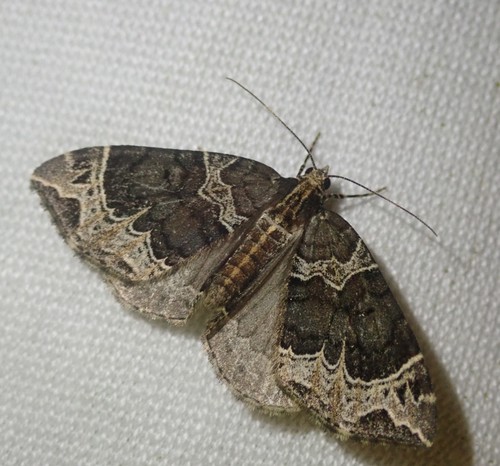
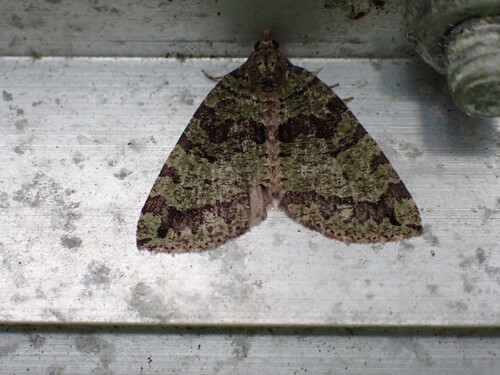
Eulithis populata, the northern spinach, is a moth of the genus Eulithis in the family Geometridae. The species name populata derives from the Latin word populus, meaning poplar, as a food plant for the caterpillar. Eulithis populata is a Holarctic species found in North America, Europe, the Caucasus, Transcaucasia, the Urals, Siberia, Russian Far East, and North Mongolia. These moths usually inhabits blueberry and mixed forests, peat moorland, wetlands and grassland. The altitude distribution reaches up to 2500 meters in the Alps and up to 2300 meters in the Pyrenees.

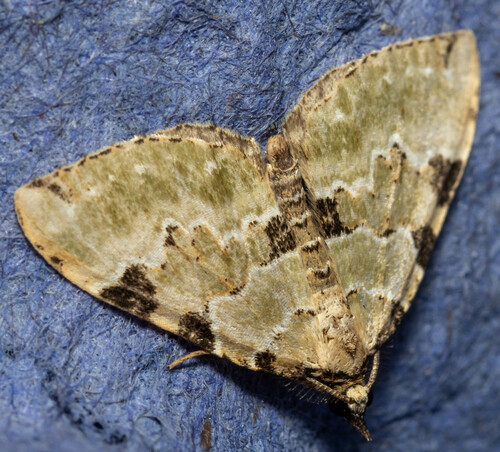
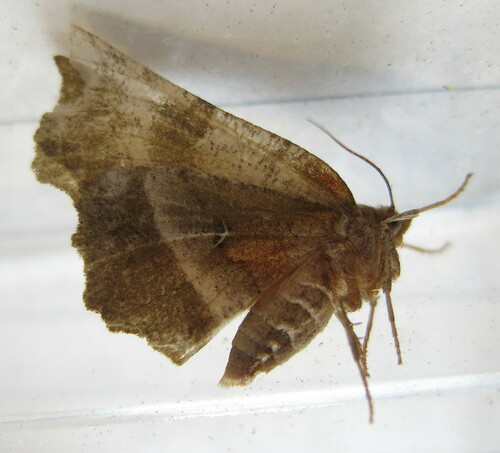
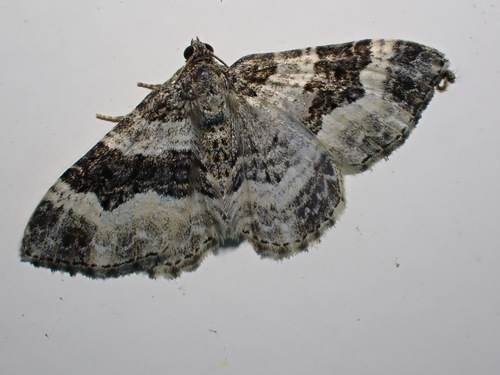
The wingspan is 25–32 mm. The ground colour of the forewings is yellow (varying in ground colour from a straw yellow to orange-brown or dark brown). There is a brown central band and a brown basal patch. There is a W shaped projection on the cross band.

Adult caterpillars are extraordinarily variable in colour and have a whitish, yellowish, greenish, brownish, blackish or reddish colour. They are most likely to be recognized by the dark dorsal line located on the front segments, also the dark wedge spots on the posterior segments as well as the distinct... Wikipedia →
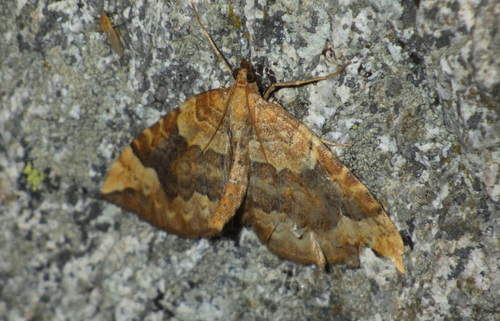
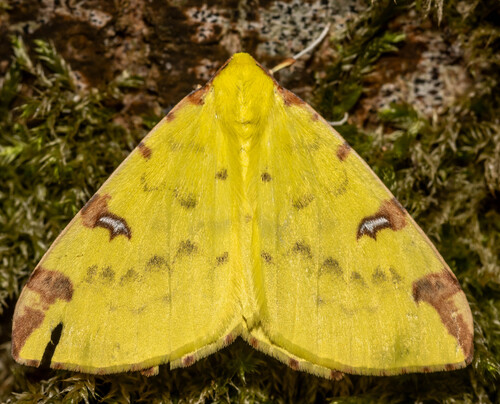
Global Distribution

Parks Where Found

# Park Country Daily sighting probability
1 Hohe Tauern National Park 🇦🇹 Austria
~20%
2 Cairngorms National Park 🇬🇧 United Kingdom
~20%
3 Snowdonia National Park 🇬🇧 United Kingdom
~10%
4 Mercantour National Park 🇫🇷 France
~10%
5 Bavarian Forest National Park 🇩🇪 Germany
~10%
6 Pyrénées National Park 🇫🇷 France
<5%

Cities Where Found

# City Country Daily sighting probability
1 Helsinki 🇫🇮 Finland
~10%

Before you go

What are the chances of seeing a Northern Spinach in Snowdonia National Park?

With luck

About 10% of wildlife watchers report a Northern Spinach sighting in Snowdonia National Park on a given day, based on 11 verified sightings from GBIF citizen-science data from 2019 to 2026. It is the 202nd most-seen of the 387 insects we can rate there. Over three days the chance rises to about 30%, and over a week to about 50%, if each day is a fresh chance.

When is the best time to see a Northern Spinach in Snowdonia National Park?

June and July

In those months about 20% of wildlife watchers report a Northern Spinach in Snowdonia National Park on a given day, against under 5% in August to May, the lowest months.

What time of day is best to see a Northern Spinach?

Between 10 am and 1 pm

Across all the parks we cover, that three-hour window holds the most Northern Spinach sightings with a recorded time, and about 8 in 10 of them come between 6 am and 6 pm: it is a daytime animal.

Is Snowdonia National Park the best place to see a Northern Spinach?

3rd of 6

Of the 6 parks where we can rate Northern Spinach sightings, Snowdonia National Park ranks 3rd at about 10%. The best odds are in Hohe Tauern National Park (Austria, about 20%) and Cairngorms National Park (United Kingdom, about 20%).

Which relatives of the Northern Spinach live in Snowdonia National Park?

Same family: Geometridae

The closest relatives of the Northern Spinach that you can see in Snowdonia National Park (family Geometridae, Geometer Moths) are Brimstone Moth (about 30%), Small Phoenix (about 20%) and Peppered Moth (about 20%), with each one's daily chance of a sighting.

Where does the Northern Spinach sighting chance come from?

GBIF citizen-science records

It is estimated from how often the Northern Spinach is recorded against all the insects logged in Snowdonia National Park (11 verified sightings from 2019 to 2026), calibrated against known sighting rates. Figures are rounded to the nearest 10% because citizen-science data supports honest approximations, not decimals, and months with records from fewer than five people show "—". How it works.

← Back to Snowdonia National Park