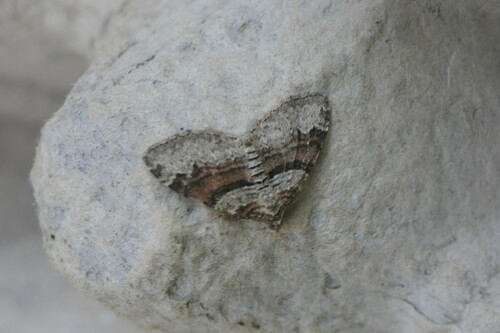
Spring Usher Moth

Spring Usher Moth

Agriopis leucophaearia

Daily sighting probability ~10% · With luck
at Snowdonia National Park

In 3 days ~20% in a week ~40%

6 Verified sightings at Snowdonia National Park From 2019 to 2026
13 In all 2 parks
January Best month
☀️ Diurnal When it's spotted

About the Spring Usher Moth

Agriopis leucophaearia, the spring usher, is a moth of the family Geometridae. The species was first described by Michael Denis and Ignaz Schiffermüller in 1775. It is a Palearctic species found from Europe, Turkey and Regions of the Russian Federation: the Volga-Don, East Caucasus, the European Central Black Earth, Central European, European southern taiga, the Western Caucasus, Kaliningrad, Mid-Volzhsky., mainly in oak forests and in heathland with low-growing oaks.

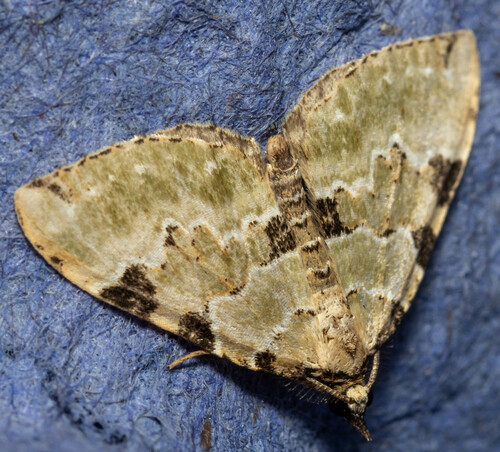
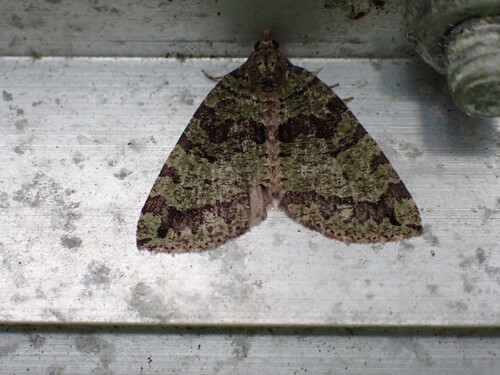
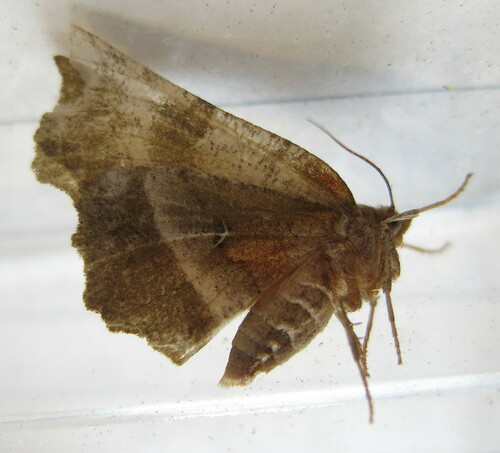
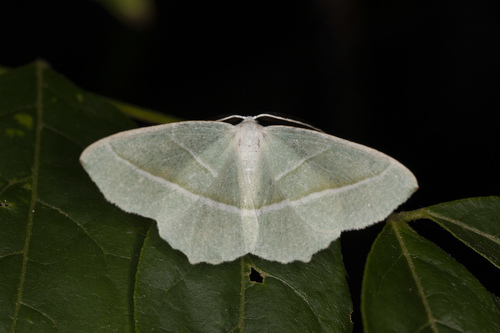
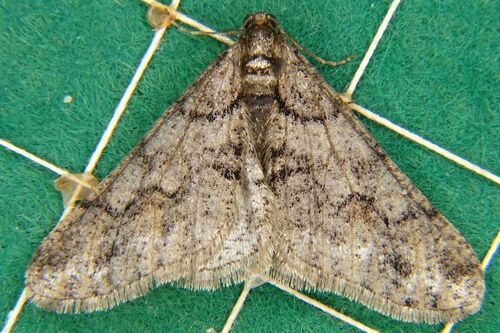
The ground colour of the wings is usually whitish. The forewings are nuanced red brown at the base and the tip, with discontinuous black lines associated with areas streaked with black. The hindwings of the underside are stippled black. Some individuals may be more dark (brown and black stains) and there are named variants. See Prout (1912–16). The female is wingless. The male has a wingspan of 10–30 mm. The egg is long-oval, pointed at one end; light grass-green.

The rather stout larva is green with yellow lines and brown dorsal blotches Wikipedia →
Global Distribution

Parks Where Found

# Park Country Daily sighting probability
1 Snowdonia National Park 🇬🇧 United Kingdom
~10%
2 Sierra de Guadarrama National Park 🇪🇸 Spain
<5%

Cities Where Found

# City Country Daily sighting probability
1 Prague 🇨🇿 Czechia
~10%
2 Berlin 🇩🇪 Germany
<5%
3 London 🇬🇧 United Kingdom
<5%
4 Paris 🇫🇷 France
<5%
5 Vienna 🇦🇹 Austria
<5%

Before you go

What are the chances of seeing a Spring Usher Moth in Snowdonia National Park?

With luck

About 10% of wildlife watchers report a Spring Usher Moth sighting in Snowdonia National Park on a given day, based on 6 verified sightings from GBIF citizen-science data from 2019 to 2026. It is the 336th most-seen of the 387 insects we can rate there. Over three days the chance rises to about 20%, and over a week to about 40%, if each day is a fresh chance.

When is the best time to see a Spring Usher Moth in Snowdonia National Park?

January

In that month about 40% of wildlife watchers report a Spring Usher Moth in Snowdonia National Park on a given day, against under 5% in March to December, the lowest months.

What time of day is best to see a Spring Usher Moth?

Between 9 am and noon

Across all the parks we cover, that three-hour window holds the most Spring Usher Moth sightings with a recorded time, and nearly all of them come between 6 am and 6 pm: it is a daytime animal.

Is Snowdonia National Park the best place to see a Spring Usher Moth?

Yes

Of the 2 parks where we can rate Spring Usher Moth sightings, Snowdonia National Park has the highest daily chance: about 10%. Next come Sierra de Guadarrama National Park (Spain, under 5%).

Which relatives of the Spring Usher Moth live in Snowdonia National Park?

Same family: Geometridae

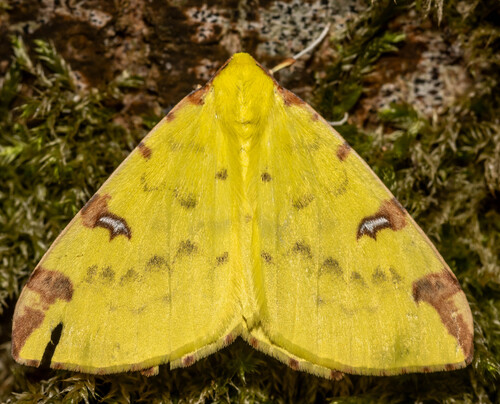
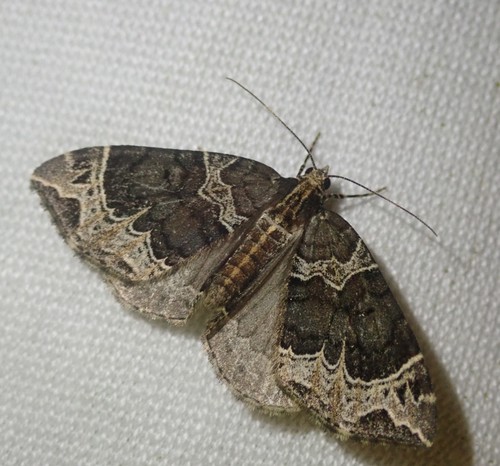
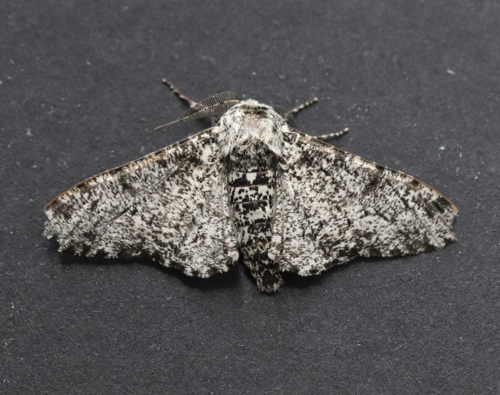
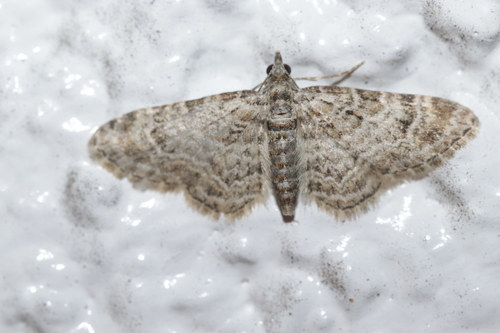
The closest relatives of the Spring Usher Moth that you can see in Snowdonia National Park (family Geometridae, Geometer Moths) are Brimstone Moth (about 30%), Small Phoenix (about 20%) and Peppered Moth (about 20%), with each one's daily chance of a sighting.

Where does the Spring Usher Moth sighting chance come from?

GBIF citizen-science records

It is estimated from how often the Spring Usher Moth is recorded against all the insects logged in Snowdonia National Park (6 verified sightings from 2019 to 2026), calibrated against known sighting rates. Figures are rounded to the nearest 10% because citizen-science data supports honest approximations, not decimals, and months with records from fewer than five people show "—". How it works.

← Back to Snowdonia National Park