Lawn Armyworm Moth

Lawn Armyworm Moth

Spodoptera mauritia

Daily sighting probability ~10% · With luck
at Springbrook National Park

In 3 days ~20% in a week ~40%

10 Verified sightings at Springbrook National Park From 2019 to 2026
32 In all 3 parks
May Best month
🌙 Nocturnal When it's spotted

About the Lawn Armyworm Moth

Spodoptera mauritia, the lawn armyworm or paddy swarming caterpillar, is a moth of the family Noctuidae. The species was first described by Jean Baptiste Boisduval in 1833. Able to eat many types of food, it is a major pest throughout the world.

It is widespread from the Red Sea to India, Myanmar, Sri Lanka, Malaya to Australia and widespread in the Pacific Islands, including the Solomons, New Hebrides, Fiji, Samoa, Hawaii, the Society Islands, Austral Islands, Marquesas and the Marshall Islands.

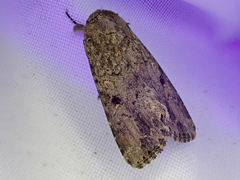
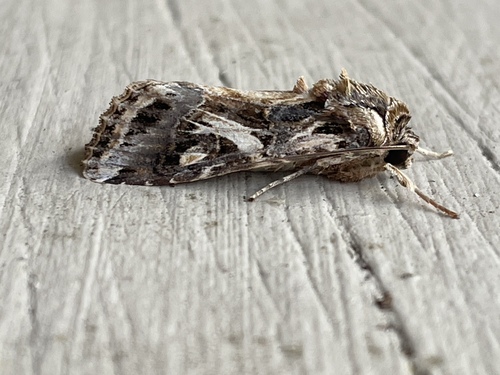
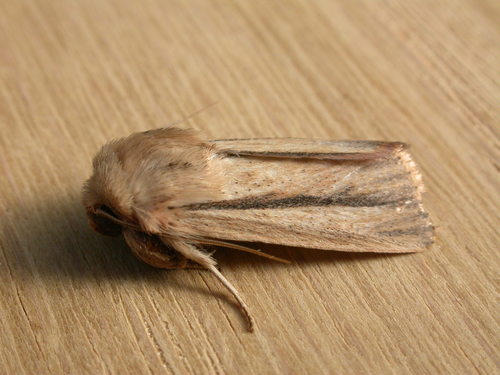
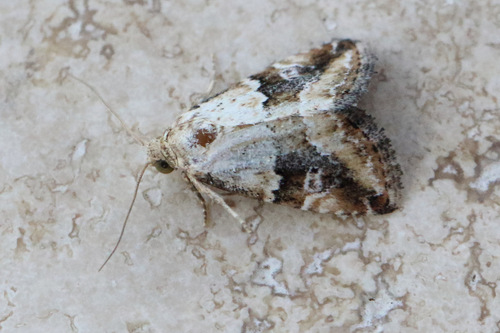
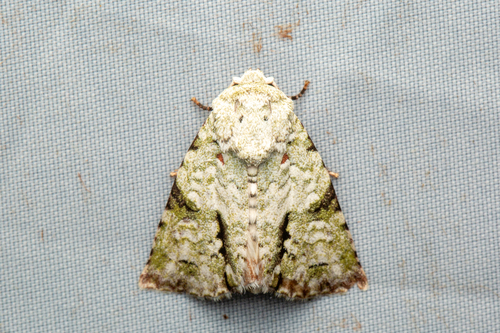
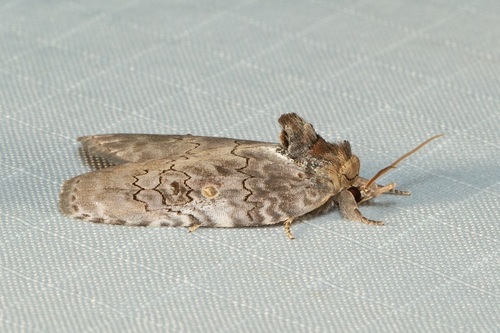
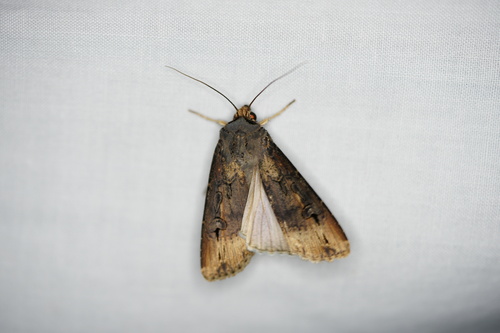
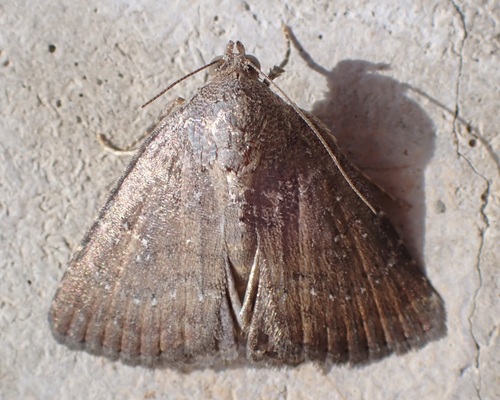
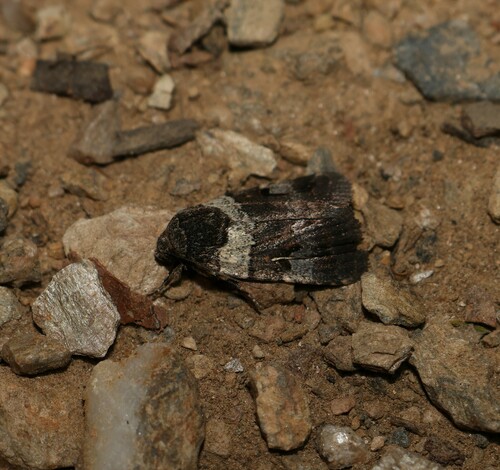
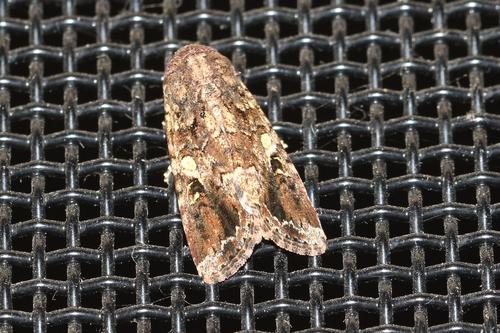
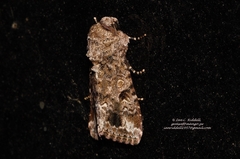
The wingspan is about 40 mm. It is dark grey brown with a rusty tinge on its body. The abdomen is fuscous. Forewings with sub-basal, antemedial and postmedial double waved lines indistinct. The orbicular small and ochreous, whereas reniform blackish. Submarginal line whitish and irregularly waved. There is a white patch often can be seen between orbicular and reniform and a dark patch on the central marginal area. Hindwings opalescent and semi-hyaline white, with a dark marginal line.

The larvae feed on various grasses, including rice, wheat, Cynodon, Pennisetum clandestinum, Sorghum bicolor, Oryza sativa, and trees such as Casuarina equisetifolia... Wikipedia →
Global Distribution

Parks Where Found

# Park Country Daily sighting probability
1 Lamington National Park 🇦🇺 Australia
~10%
2 Daintree National Park 🇦🇺 Australia
~10%
3 Springbrook National Park 🇦🇺 Australia
~10%

Cities Where Found

# City Country Daily sighting probability
1 Brisbane 🇦🇺 Australia
~10%
2 Harare 🇿🇼 Zimbabwe
~10%
3 Perth 🇦🇺 Australia
<5%
4 Sydney 🇦🇺 Australia
<5%

Before you go

What are the chances of seeing a Lawn Armyworm Moth in Springbrook National Park?

With luck

About 10% of wildlife watchers report a Lawn Armyworm Moth sighting in Springbrook National Park on a given day, based on 10 verified sightings from GBIF citizen-science data from 2019 to 2026. It is the 228th most-seen of the 429 insects we can rate there. Over three days the chance rises to about 20%, and over a week to about 40%, if each day is a fresh chance.

When is the best time to see a Lawn Armyworm Moth in Springbrook National Park?

May

In that month about 20% of wildlife watchers report a Lawn Armyworm Moth in Springbrook National Park on a given day, against under 5% in February and June–December, the lowest months.

What time of day is best to see a Lawn Armyworm Moth?

Between 8 and 11 pm

Across all the parks we cover, that three-hour window holds the most Lawn Armyworm Moth sightings with a recorded time, and about 9 in 10 of them come between 6 pm and 6 am: it is mostly seen at night.

Is Springbrook National Park the best place to see a Lawn Armyworm Moth?

Among the best

Of the 3 parks where we can rate Lawn Armyworm Moth sightings, Springbrook National Park ranks 3rd at about 10%, level with the leaders once rounded. The best odds are in Lamington National Park (Australia, about 10%) and Daintree National Park (Australia, about 10%).

Where does the Lawn Armyworm Moth sighting chance come from?

GBIF citizen-science records

It is estimated from how often the Lawn Armyworm Moth is recorded against all the insects logged in Springbrook National Park (10 verified sightings from 2019 to 2026), calibrated against known sighting rates. Figures are rounded to the nearest 10% because citizen-science data supports honest approximations, not decimals, and months with records from fewer than five people show "—". How it works.

← Back to Springbrook National Park