White-Faced Brown Paper Wasp

White-Faced Brown Paper Wasp

Ropalidia plebeiana

Daily sighting probability ~10% · With luck
at Springbrook National Park

In 3 days ~20% in a week ~30%

5 Verified sightings at Springbrook National Park From 2019 to 2026
30 In all 4 parks
February Best month
☀️ Diurnal When it's spotted

About the White-Faced Brown Paper Wasp

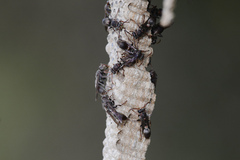
Ropalidia plebeiana is a eusocial temperate paper wasp. It is unique, as it is the only temperate wasp in the typically tropical Ropalidia genus. R. plebeiana is widely distributed in eastern Australia, and recently have been found making huge nest aggregations, with thousands of nests on trunks of trees, in south-eastern New South Wales.

R. plebeiana is in the Vespidae family along with thousands of other wasp species. The genus, Ropalidia, is typically made up of wasps that live in tropical locations, but R. plebeiana is the exception. The genus, Ropalidia is classified as brown paper wasps. Although R. plebeiana does not yet have a place within the taxonomy of the Ropalidia family, it has been discovered to be closely related to R. proletaria.

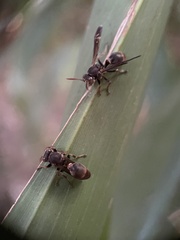
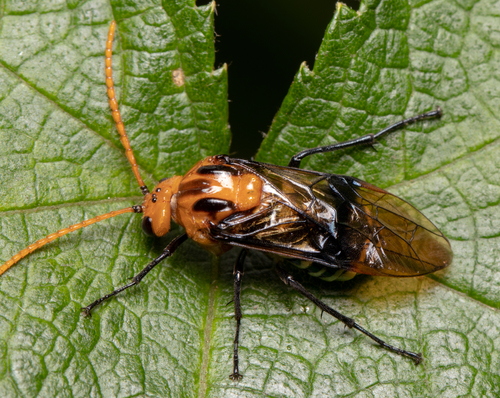
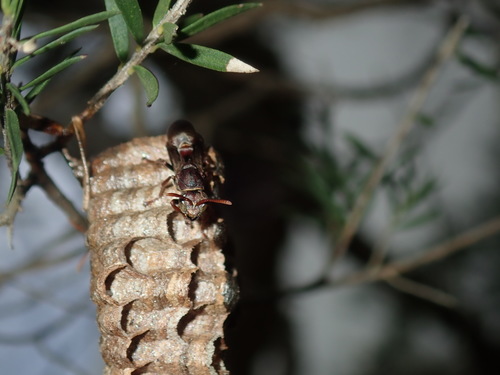
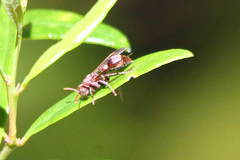
R. plebeiana is a white-faced, brown paper wasp. It is a medium-size paper wasp, with a reddish-brown-colored body. There are small, thin white rings on its shoulders, waist, and abdomen. Nests of R. plebeiana are seen as a horizontal single comb with an irregular shape, and they are grayish brown in color. Nests have been found to have 1–3 males and anywhere from 13 to 28 females... Wikipedia →
Global Distribution

Parks Where Found

# Park Country Daily sighting probability
1 Royal National Park 🇦🇺 Australia
~10%
2 Lamington National Park 🇦🇺 Australia
~10%
3 Springbrook National Park 🇦🇺 Australia
~10%
4 Blue Mountains National Park 🇦🇺 Australia
~10%

Cities Where Found

# City Country Daily sighting probability
1 Sydney 🇦🇺 Australia
<5%

Before you go

What are the chances of seeing a White-Faced Brown Paper Wasp in Springbrook National Park?

With luck

About 10% of wildlife watchers report a White-Faced Brown Paper Wasp sighting in Springbrook National Park on a given day, based on 5 verified sightings from GBIF citizen-science data from 2019 to 2026. It is the 358th most-seen of the 429 insects we can rate there. Over three days the chance rises to about 20%, and over a week to about 30%, if each day is a fresh chance.

When is the best time to see a White-Faced Brown Paper Wasp in Springbrook National Park?

February and December

In those months about 10% of wildlife watchers report a White-Faced Brown Paper Wasp in Springbrook National Park on a given day, against under 5% in January and March–November, the lowest months. Those are among Springbrook National Park's wettest months, with about 170 mm of rain a month against 45 mm in August.

What time of day is best to see a White-Faced Brown Paper Wasp?

Between 9 am and noon

Across all the parks we cover, that three-hour window holds the most White-Faced Brown Paper Wasp sightings with a recorded time, and nearly all of them come between 6 am and 6 pm: it is a daytime animal.

Is Springbrook National Park the best place to see a White-Faced Brown Paper Wasp?

Among the best

Of the 4 parks where we can rate White-Faced Brown Paper Wasp sightings, Springbrook National Park ranks 3rd at about 10%, level with the leaders once rounded. The best odds are in Royal National Park (Australia, about 10%) and Lamington National Park (Australia, about 10%).

Which relatives of the White-Faced Brown Paper Wasp live in Springbrook National Park?

Same order: Hymenoptera

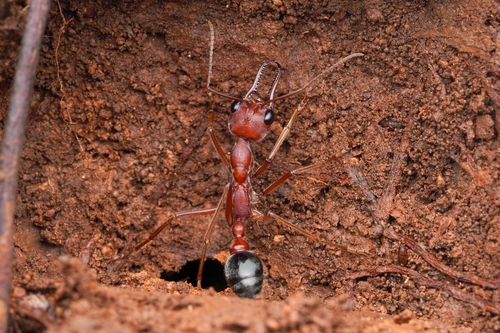
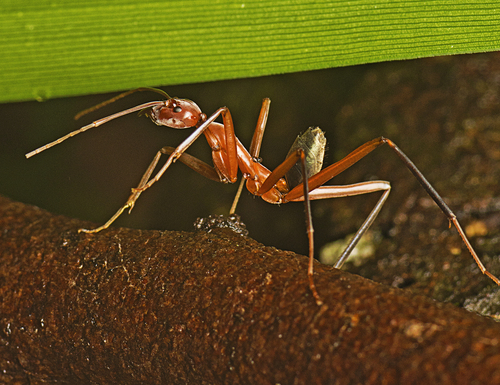
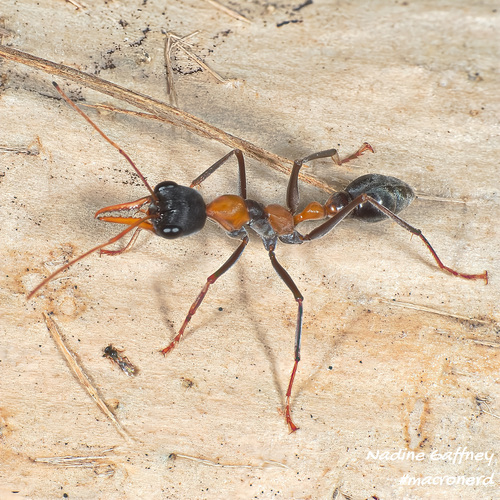
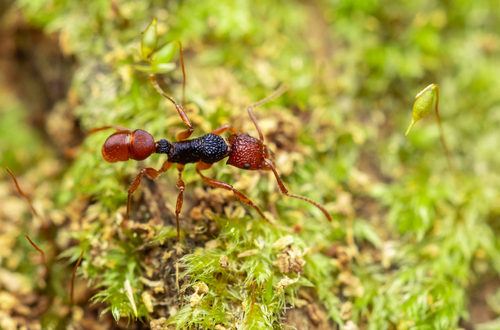
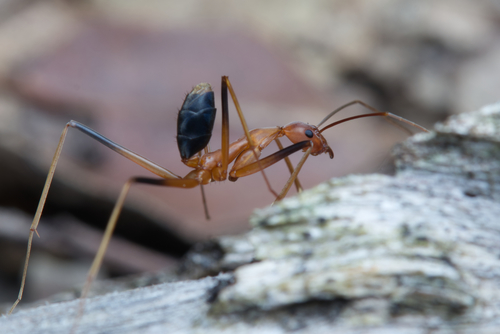
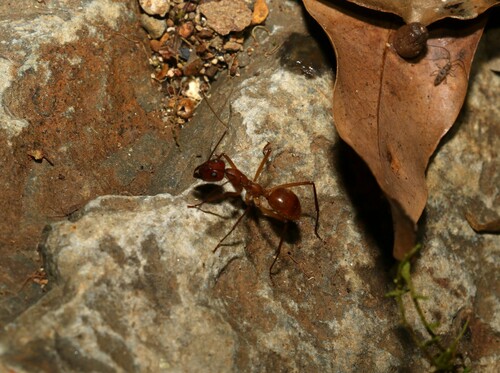
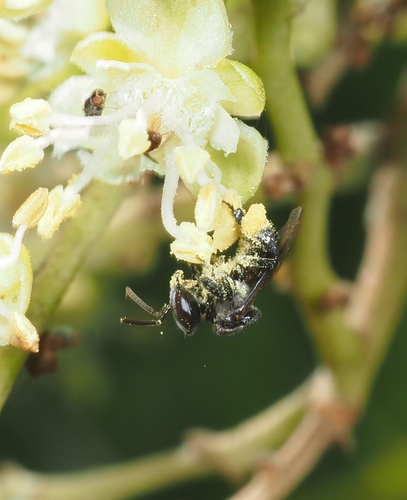
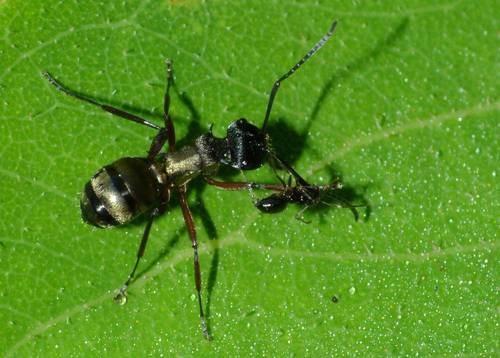
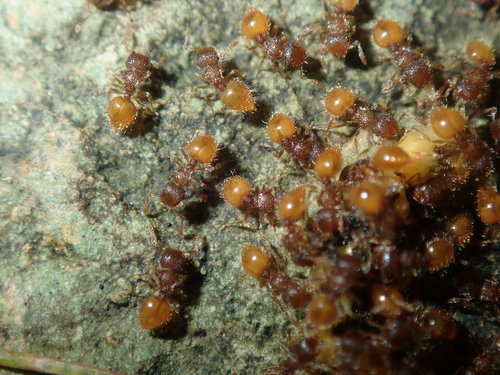
The closest relatives of the White-Faced Brown Paper Wasp that you can see in Springbrook National Park (order Hymenoptera, Ants, Bees, Wasps, and Sawflies) are Giant Bulldog Ant (about 10%), Leptomyrmex tibialis (about 10%) and Jumping Jack Ant (about 10%), with each one's daily chance of a sighting.

Where does the White-Faced Brown Paper Wasp sighting chance come from?

GBIF citizen-science records

It is estimated from how often the White-Faced Brown Paper Wasp is recorded against all the insects logged in Springbrook National Park (5 verified sightings from 2019 to 2026), calibrated against known sighting rates. Figures are rounded to the nearest 10% because citizen-science data supports honest approximations, not decimals, and months with records from fewer than five people show "—". How it works.

← Back to Springbrook National Park