


Completed


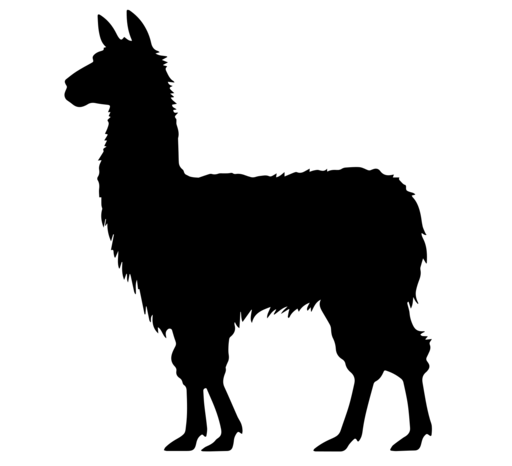
Guanaco
Lama guanicoe
Silhouette: PhyloPic
- KingdomAnimalia (Animals)
- PhylumChordata (Chordates)
- ClassMammalia (Mammals)
- OrderArtiodactyla (Even-toed Ungulates and Cetaceans)
- FamilyCamelidae (Camelids)
- GenusLama (Llamas and Guanacos)
- SpeciesLama guanicoe (Guanaco)
In 3 days >90%
275 Verified sightings at Torres del Paine National Park From 2019 to 2026
500 In all 4 parks
June Best month
☀️ Diurnal When it's spotted
About the Guanaco
The guanaco ( gwah-NAH-koh; Lama guanicoe) is a camelid native to South America, closely related to the domesticated llama. Guanacos are one of two wild South American camelids; the other species is the vicuña, which lives at higher elevations.
The guanaco gets its name from the Quechua word wanaku. Young guanacos are called chulengos or "guanaquitos". Guanacos stand between 1.0 and 1.3 m (3 ft 3 in and 4 ft 3 in) at the shoulder, body length of 2.1 to 2.2 m (6 ft 11 in to 7 ft 3 in), and weigh 90 to 140 kg (200 to 310 lb). Their color varies very little (unlike the domestic llama), ranging from a light brown to dark cinnamon and shading to white underneath. Guanacos have grey faces and small, straight ears. The lifespan of a guanaco can be as long as 28 years.
Guanacos are one of the largest terrestrial mammals native to South America today. Other terrestrial mammalian megafauna weighing as much or more than the guanaco include the tapirs, the marsh deer, the white-tailed deer, the spectacled bear, and the jaguar.
Guanacos have thick skin on their necks, a trait also found in their domestic counterparts, the llama, and their relatives, the wild... Wikipedia →
Sounds
Recording0:10
Argentina · 2024
© Hugo · iNaturalist · CC BY-NC 4.0
Recording0:06
Argentina · 2022
© Facundo Varela Barros · iNaturalist · CC BY-NC 4.0
Recent sightings of Guanaco in Torres del Paine National Park
LIVEiNaturalistGlobal Distribution
Parks Where Found
| # | Park | Country | Daily sighting probability |
|---|---|---|---|
| 1 | Península Valdés | 🇦🇷 Argentina | |
| 2 | Torres del Paine National Park | 🇨🇱 Chile | |
| 3 | Nahuel Huapi National Park | 🇦🇷 Argentina | |
| 4 | Tierra del Fuego National Park | 🇦🇷 Argentina |
Zoos & Centres Where Found
Closest Relatives at Torres del Paine National Park




Before you go
What are the chances of seeing a Guanaco in Torres del Paine National Park?
Very likely
About 80% of wildlife watchers report a Guanaco sighting in Torres del Paine National Park on a given day, based on 275 verified sightings from GBIF citizen-science data from 2019 to 2026. It is the most-seen of the 8 mammals we can rate there. Over three days the chance rises to over 90%, if each day is a fresh chance.
When is the best time to see a Guanaco in Torres del Paine National Park?
June and October
In those months about 90% of wildlife watchers report a Guanaco in Torres del Paine National Park on a given day, against about 60% in September, the lowest month.
What time of day is best to see a Guanaco?
Between 11 am and 2 pm
Across all the parks we cover, that three-hour window holds the most Guanaco sightings with a recorded time, and nearly all of them come between 6 am and 6 pm: it is a daytime animal.
Is Torres del Paine National Park the best place to see a Guanaco?
Among the best
Of the 4 parks where we can rate Guanaco sightings, Torres del Paine National Park ranks 2nd at about 80%, level with the leaders once rounded. The best odds are in Península Valdés (Argentina, about 80%). All parks ranked.
Where does the Guanaco sighting chance come from?
GBIF citizen-science records
It is estimated from how often the Guanaco is recorded against all the mammals logged in Torres del Paine National Park (275 verified sightings from 2019 to 2026), calibrated against known sighting rates. Figures are rounded to the nearest 10% because citizen-science data supports honest approximations, not decimals, and months with records from fewer than five people show "—". How it works.
