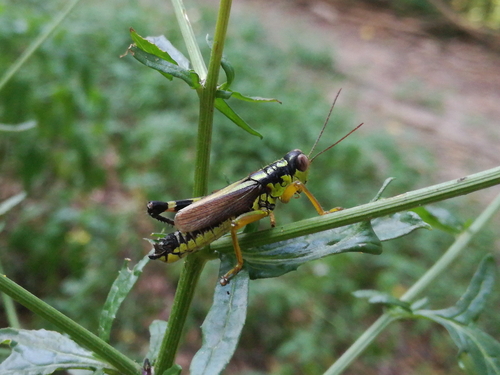
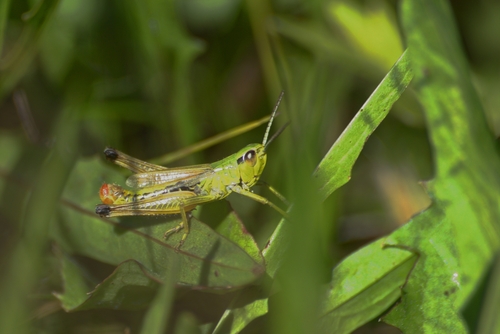
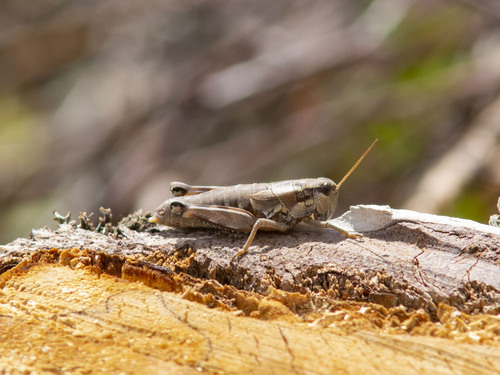
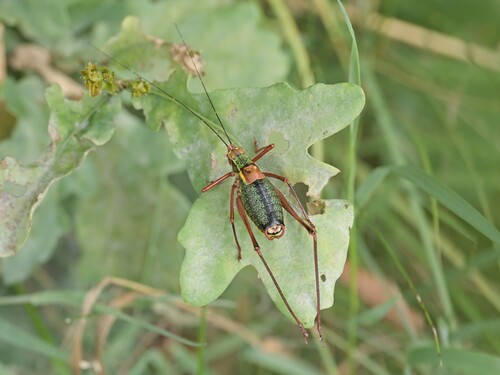
European Field Cricket

European Field Cricket

Gryllus campestris

Daily sighting probability ~20% · Possible
at Triglav National Park

In 3 days ~50% in a week ~80%

23 Verified sightings at Triglav National Park From 2019 to 2026
330 In all 9 parks
February Best month
☀️ Diurnal When it's spotted

About the European Field Cricket

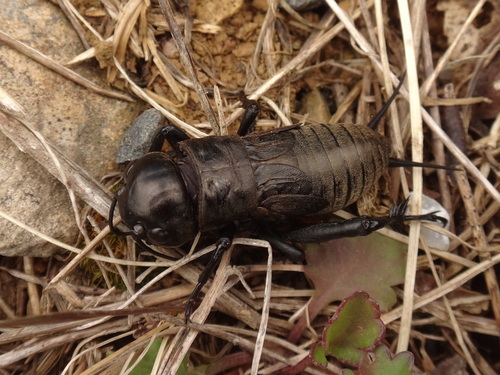
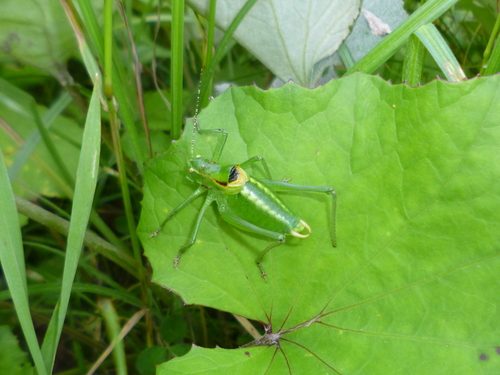
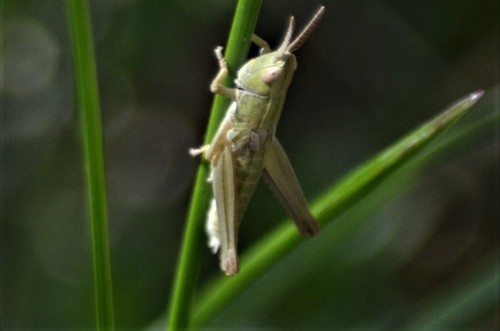
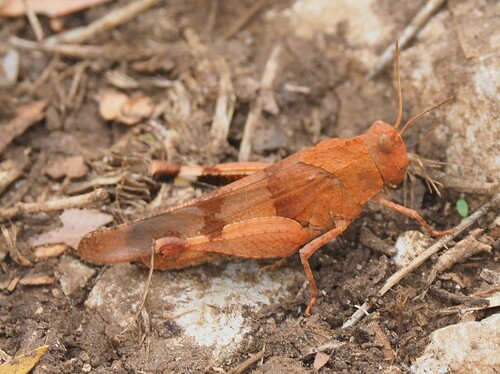
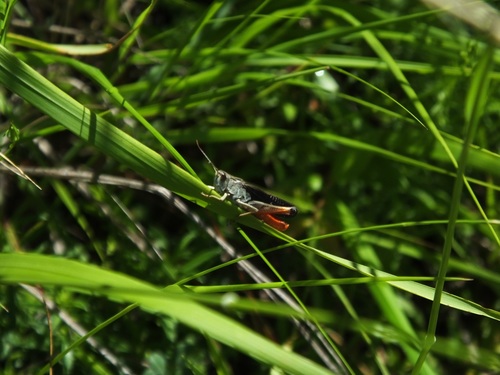
Gryllus campestris, the European field cricket or simply the field cricket in the British Isles, is the type species of crickets in its genus and tribe Gryllini. These flightless dark colored insects are comparatively large; the males range from 19 to 23 mm and the females from 17 to 22 mm.

Gryllus campestris used to be common over most of Western Europe. It prefers dry, sunny locations with short vegetation, like dry grasslands. At the northern edge of its range, it is restricted to heathlands and oligotrophic grasslands. The species is flightless and unable to migrate long distances, and it therefore does not commonly recover on its own from local extinction.

The reproductive season of the univoltine species lasts from May to July. The males make a burrow with a platform at the entrance from which they attract females with their courtship stridulation. They chirp during daytime as well as the first part of the night, only when the temperature is well above 13 °C (55 °F).

Nymphs hatch in June till mid July and hibernate during their tenth or eleventh instar. The final moult takes place at the end of April or at the beginning of May. Males are territorial... Wikipedia →

Global Distribution

Parks Where Found

# Park Country Daily sighting probability
1 Biebrza National Park 🇵🇱 Poland
~30%
2 Triglav National Park 🇸🇮 Slovenia
~20%
3 Białowieża National Park 🇵🇱 Poland
~20%
4 Bavarian Forest National Park 🇩🇪 Germany
~20%
5 Cévennes National Park 🇫🇷 France
~20%
6 Pyrénées National Park 🇫🇷 France
~20%
7 Aigüestortes National Park 🇪🇸 Spain
~10%
8 Fertő-Hanság National Park 🇭🇺 Hungary
~10%
9 Sierra de Guadarrama National Park 🇪🇸 Spain
~10%

Cities Where Found

# City Country Daily sighting probability
1 Milan 🇮🇹 Italy
~10%
2 Vienna 🇦🇹 Austria
~10%
3 Porto 🇵🇹 Portugal
<5%
4 Warsaw 🇵🇱 Poland
<5%
5 Prague 🇨🇿 Czechia
<5%
6 Munich 🇩🇪 Germany
<5%

Before you go

What are the chances of seeing a European Field Cricket in Triglav National Park?

Possible

About 20% of wildlife watchers report a European Field Cricket sighting in Triglav National Park on a given day, based on 23 verified sightings from GBIF citizen-science data from 2019 to 2026. It is the 64th most-seen of the 260 insects we can rate there. Over three days the chance rises to about 50%, and over a week to about 80%, if each day is a fresh chance.

When is the best time to see a European Field Cricket in Triglav National Park?

February

In that month about 40% of wildlife watchers report a European Field Cricket in Triglav National Park on a given day, against under 5% in March and November–January, the lowest months.

What time of day is best to see a European Field Cricket?

Between 2 and 5 pm

Across all the parks we cover, that three-hour window holds the most European Field Cricket sightings with a recorded time, and about 7 in 10 of them come between 6 am and 6 pm: it is a daytime animal.

Is Triglav National Park the best place to see a European Field Cricket?

2nd of 9

Of the 9 parks where we can rate European Field Cricket sightings, Triglav National Park ranks 2nd at about 20%. The best odds are in Biebrza National Park (Poland, about 30%).

Which relatives of the European Field Cricket live in Triglav National Park?

Same order: Orthoptera

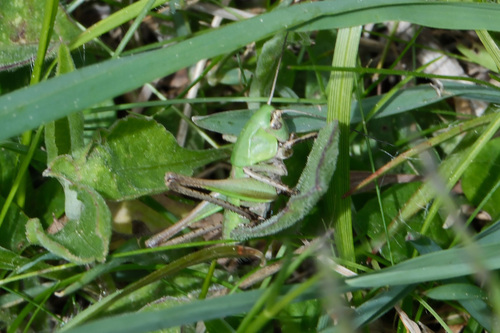
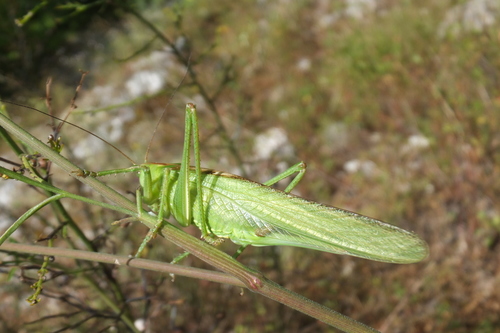
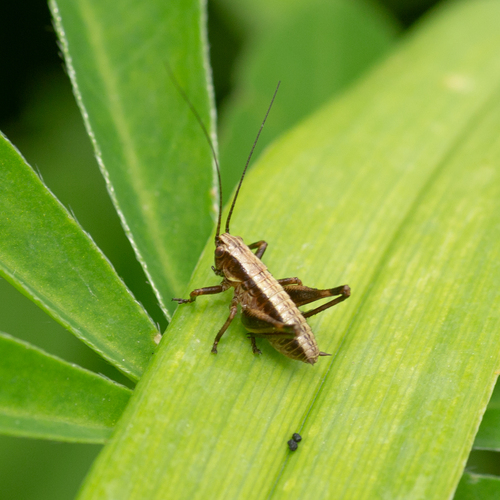
The closest relatives of the European Field Cricket that you can see in Triglav National Park (order Orthoptera, Grasshoppers, Crickets, and Katydids) are Alpine Dark Bush-Cricket (about 40%), Wart-Biter (about 30%) and Great Green Bush-Cricket (about 30%), with each one's daily chance of a sighting.

Where does the European Field Cricket sighting chance come from?

GBIF citizen-science records

It is estimated from how often the European Field Cricket is recorded against all the insects logged in Triglav National Park (23 verified sightings from 2019 to 2026), calibrated against known sighting rates. Figures are rounded to the nearest 10% because citizen-science data supports honest approximations, not decimals, and months with records from fewer than five people show "—". How it works.

← Back to Triglav National Park