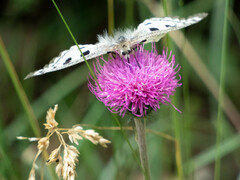
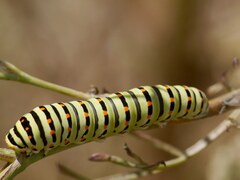
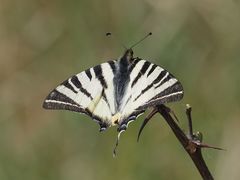
Completed
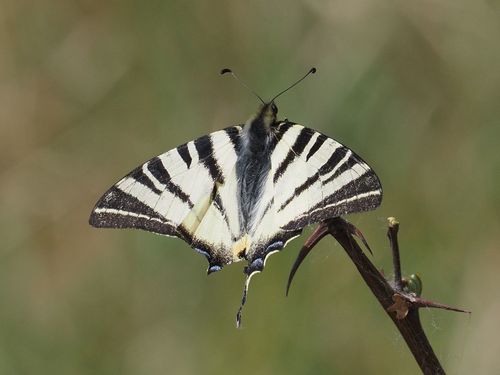
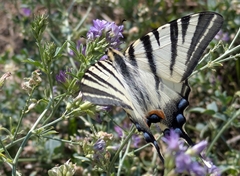

Scarce Swallowtail
Iphiclides podalirius
- KingdomAnimalia (Animals)
- PhylumArthropoda (Arthropods)
- ClassInsecta (Insects)
- OrderLepidoptera (Butterflies and Moths)
- FamilyPapilionidae (Swallowtails and Parnassians)
- GenusIphiclides (Scarce Swallowtails)
- SpeciesIphiclides podalirius (Scarce Swallowtail)
In 3 days ~50% in a week ~80%
21 Verified sightings at Triglav National Park From 2019 to 2026
458 In all 9 parks
July Best month
☀️ Diurnal When it's spotted
About the Scarce Swallowtail
The scarce swallowtail (Iphiclides podalirius) is a species of butterfly belonging to the family Papilionidae. It is also called the sail swallowtail or pear-tree swallowtail. Else see: Iphiclides podalirius feisthamelii (North Africa, Spain and southwest France), often treated as a valid species, Iphiclides feisthamelii. Despite the name "scarce swallowtail", this species is quite common. The scarcity of United Kingdom migrants is responsible for the English vernacular name. This species is widespread in the East Palearctic realm and in most of Europe with the exception of the northern parts. Its range extends northwards to Lower Lusatia and central Poland and eastwards across Asia Minor and Transcaucasia as far as the Arabian Peninsula, Pakistan, India and western China. A few specimens of the scarce swallowtail have been reported from central Sweden and... Wikipedia →
Recent sightings of Scarce Swallowtail in Triglav National Park
LIVEiNaturalistGlobal Distribution
Parks Where Found
| # | Park | Country | Daily sighting probability |
|---|---|---|---|
| 1 | Cévennes National Park | 🇫🇷 France | |
| 2 | Plitvice Lakes National Park | 🇭🇷 Croatia | |
| 3 | Hortobágy National Park | 🇭🇺 Hungary | |
| 4 | Triglav National Park | 🇸🇮 Slovenia | |
| 5 | Mercantour National Park | 🇫🇷 France | |
| 6 | Vanoise National Park | 🇫🇷 France | |
| 7 | Fertő-Hanság National Park | 🇭🇺 Hungary | |
| 8 | Pyrénées National Park | 🇫🇷 France | |
| 9 | Ecrins National Park | 🇫🇷 France |
Closest Relatives at Triglav National Park

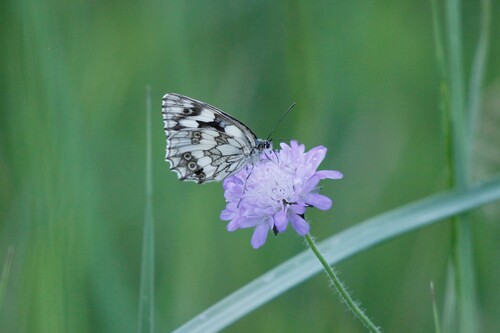
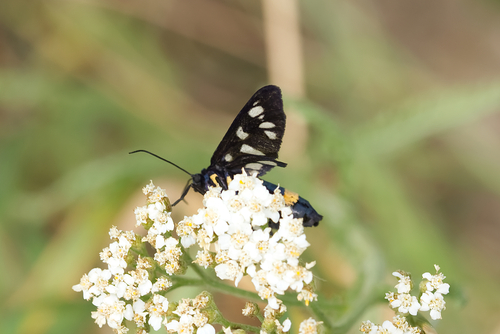
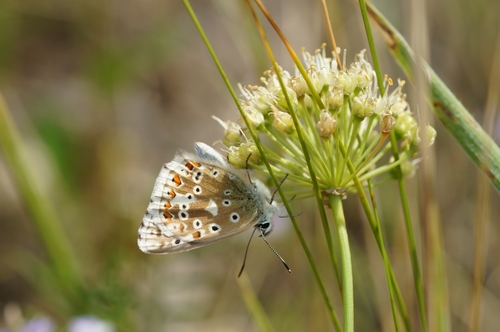



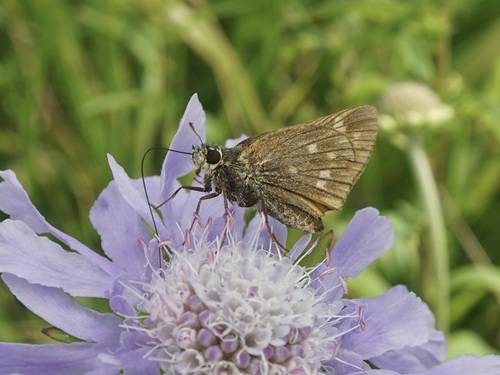
Before you go
What are the chances of seeing a Scarce Swallowtail in Triglav National Park?
Possible
About 20% of wildlife watchers report a Scarce Swallowtail sighting in Triglav National Park on a given day, based on 21 verified sightings from GBIF citizen-science data from 2019 to 2026. It is the 85th most-seen of the 260 insects we can rate there. Over three days the chance rises to about 50%, and over a week to about 80%, if each day is a fresh chance.
When is the best time to see a Scarce Swallowtail in Triglav National Park?
July
In that month about 30% of wildlife watchers report a Scarce Swallowtail in Triglav National Park on a given day, against under 5% in June and September–March, the lowest months.
What time of day is best to see a Scarce Swallowtail?
Between 10 am and 1 pm
Across all the parks we cover, that three-hour window holds the most Scarce Swallowtail sightings with a recorded time, and about 9 in 10 of them come between 6 am and 6 pm: it is a daytime animal.
Is Triglav National Park the best place to see a Scarce Swallowtail?
4th of 9
Of the 9 parks where we can rate Scarce Swallowtail sightings, Triglav National Park ranks 4th at about 20%. The best odds are in Cévennes National Park (France, about 40%), Plitvice Lakes National Park (Croatia, about 30%) and Hortobágy National Park (Hungary, about 20%).
Which relatives of the Scarce Swallowtail live in Triglav National Park?
Same family: Papilionidae
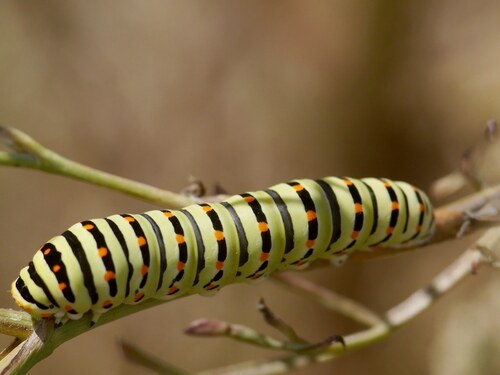
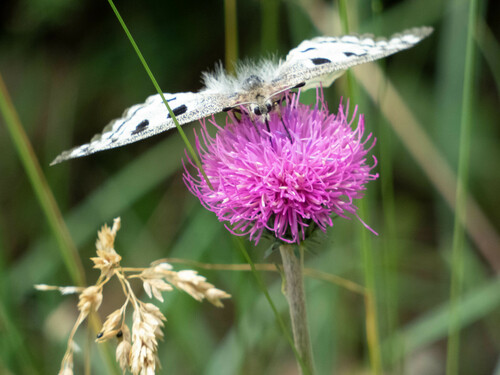
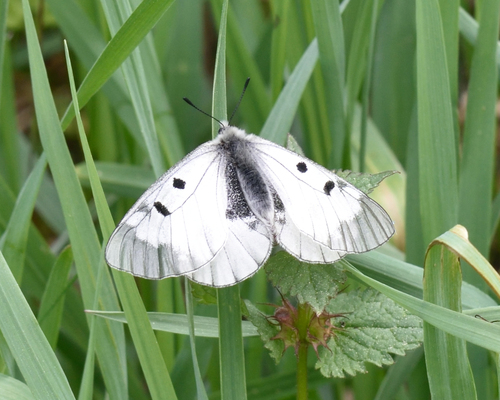
The closest relatives of the Scarce Swallowtail that you can see in Triglav National Park (family Papilionidae, Swallowtails and Parnassians) are Old World Swallowtail (about 40%), Apollo (about 20%) and Clouded Apollo (about 20%), with each one's daily chance of a sighting.
Where does the Scarce Swallowtail sighting chance come from?
GBIF citizen-science records
It is estimated from how often the Scarce Swallowtail is recorded against all the insects logged in Triglav National Park (21 verified sightings from 2019 to 2026), calibrated against known sighting rates. Figures are rounded to the nearest 10% because citizen-science data supports honest approximations, not decimals, and months with records from fewer than five people show "—". How it works.
