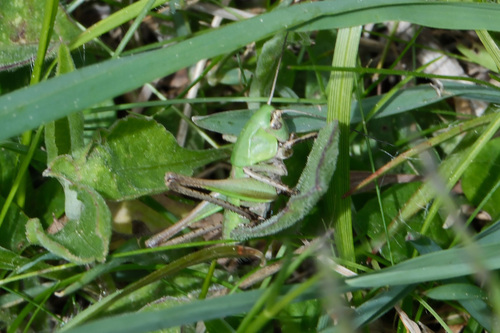
Red-Winged Grasshopper

Red-Winged Grasshopper

Oedipoda germanica

Daily sighting probability ~10% · With luck
at Vanoise National Park

In 3 days ~30% in a week ~50%

5 Verified sightings at Vanoise National Park From 2019 to 2026
130 In all 6 parks
August Best month
☀️ Diurnal When it's spotted

About the Red-Winged Grasshopper

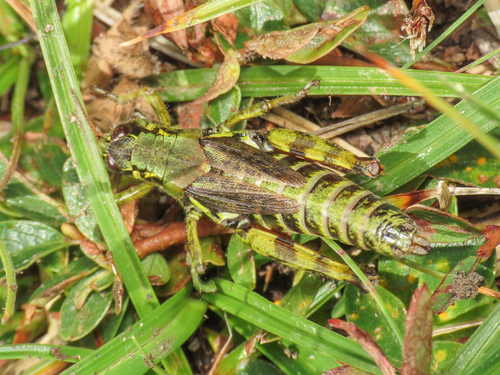
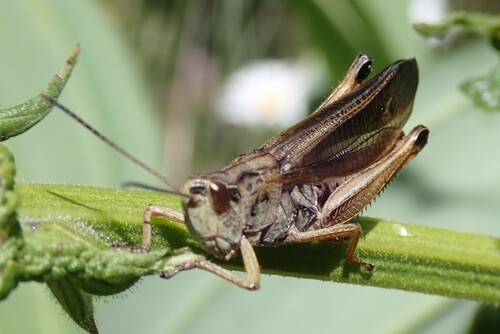
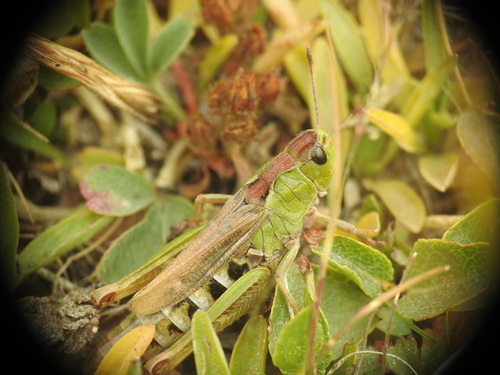
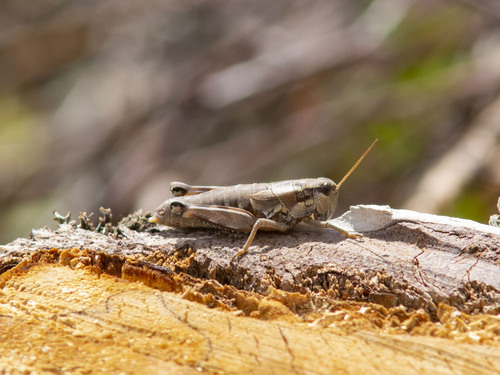
Oedipoda germanica, sometimes known as the "red-winged grasshopper" (although the name also may be used for O. miniata), is a species of short-horned grasshoppers belonging to the family Acrididae subfamily Oedipodinae. This grasshopper is present in Austria, Belgium, Greece, France, Germany, Italy, Spain, Switzerland, Czech Republic, and in the Near East.

The adult males grow up to 15–22 millimetres (0.59–0.87 in) long, while the females reach 22–32 millimetres (0.87–1.26 in)of length. They can be encountered from early June through October in warm and dry stony or rocky habitats. They are almost exclusively phytophagous, mainly feeding in grass of mountain pastures and various herbaceous plants (Asperula cynanchica, Galeopsis angustifolia, Hippocrepis comosa, Teucrium chamaedrys, etc.).

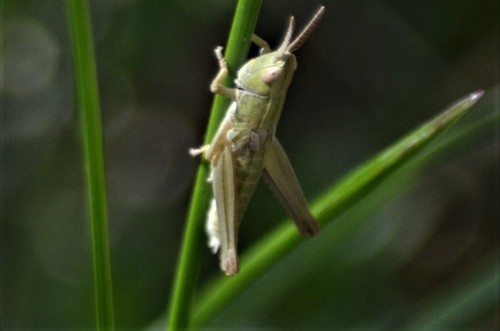
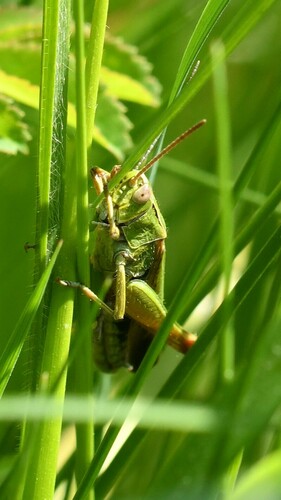
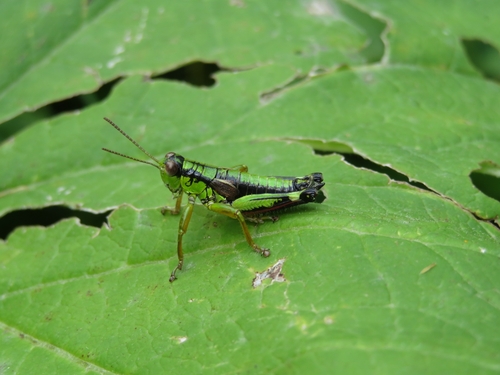
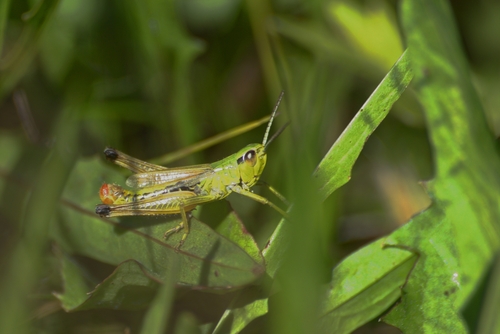
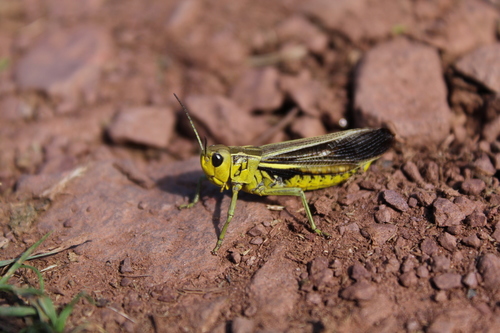
The body is quite large and rounded. The basic coloration is brown-grayish, with transversal darker areas. The pronotum is equipped with a median carina of pronotum not much raised. The compound eyes are large. The delicate front wings are straight and narrow, their colour is beige with darker bands. The hind wings are red (while they are turquoise in Oedipoda caerulescens) with a black band on margin and are fit for flight.

The eggs - laid in clusters below the surface of the soil - hatch in next Spring. Femora of the hind legs are red on the bottom, while tibiae are yellowish in the females and black in males. Wikipedia →

Global Distribution

Parks Where Found

# Park Country Daily sighting probability
1 Mercantour National Park 🇫🇷 France
~30%
2 Ecrins National Park 🇫🇷 France
~20%
3 Vanoise National Park 🇫🇷 France
~10%
4 Pyrénées National Park 🇫🇷 France
~10%
5 Cévennes National Park 🇫🇷 France
~10%
6 Bavarian Forest National Park 🇩🇪 Germany
~10%

Before you go

What are the chances of seeing a Red-Winged Grasshopper in Vanoise National Park?

With luck

About 10% of wildlife watchers report a Red-Winged Grasshopper sighting in Vanoise National Park on a given day, based on 5 verified sightings from GBIF citizen-science data from 2019 to 2026. It is the 252nd most-seen of the 308 insects we can rate there. Over three days the chance rises to about 30%, and over a week to about 50%, if each day is a fresh chance.

When is the best time to see a Red-Winged Grasshopper in Vanoise National Park?

August

In that month about 20% of wildlife watchers report a Red-Winged Grasshopper in Vanoise National Park on a given day, against under 5% in September to June, the lowest months.

What time of day is best to see a Red-Winged Grasshopper?

Between noon and 3 pm

Across all the parks we cover, that three-hour window holds the most Red-Winged Grasshopper sightings with a recorded time, and about 9 in 10 of them come between 6 am and 6 pm: it is a daytime animal.

Is Vanoise National Park the best place to see a Red-Winged Grasshopper?

3rd of 6

Of the 6 parks where we can rate Red-Winged Grasshopper sightings, Vanoise National Park ranks 3rd at about 10%. The best odds are in Mercantour National Park (France, about 30%) and Ecrins National Park (France, about 20%).

Which relatives of the Red-Winged Grasshopper live in Vanoise National Park?

Same family: Acrididae

The closest relatives of the Red-Winged Grasshopper that you can see in Vanoise National Park (family Acrididae, Short-horned Grasshoppers) are Large Banded Grasshopper (about 40%), High Mountain Grasshopper (about 30%) and Ladder Grasshopper (about 30%), with each one's daily chance of a sighting.

Where does the Red-Winged Grasshopper sighting chance come from?

GBIF citizen-science records

It is estimated from how often the Red-Winged Grasshopper is recorded against all the insects logged in Vanoise National Park (5 verified sightings from 2019 to 2026), calibrated against known sighting rates. Figures are rounded to the nearest 10% because citizen-science data supports honest approximations, not decimals, and months with records from fewer than five people show "—". How it works.

← Back to Vanoise National Park