Volcanoes National Park
🇷🇼 Rwanda
East Africa, Rwanda 1298 spp. recorded
Volcanoes National Park sits in north‑west Rwanda, part of the East African volcanic chain. The park protects a mosaic of tropical rainforest that climbs steep slopes and cradles mist‑shrouded valleys, giving a stark contrast to the savanna that surrounds it.
-1.533° S 29.471° E
🦜 Nature

292 Species sighted
14,344 Verified sightings From 2019 to 2026
Jul Best month
⭐ Iconic Species


📊 Most Spotted


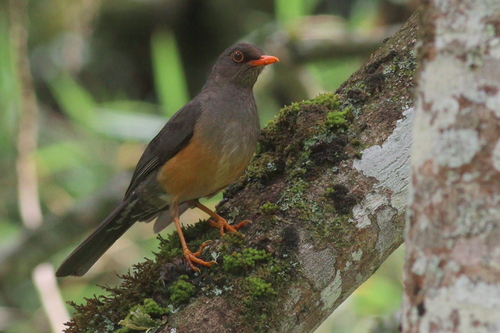


⭐ Iconic Species
📊 Most Spotted


⭐ Iconic Species
📊 Most Spotted


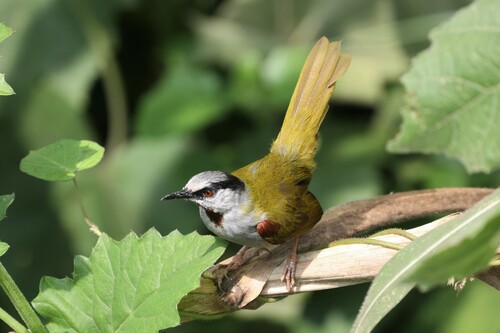


+ 1141 more species with insufficient data
Recent sightings in Volcanoes National Park
LIVEiNaturalistSighting Calendar
How many species you'd see in a day
23Jan
25Feb
27Mar
20Apr
29May
30Jun
33Jul
30Aug
29Sep
32Oct
25Nov
30Dec
Sighting Zones
Warmer areas are where all species together are recorded most often.
-
Headquarters & Kinigi Guesthouse
-
Le Bambou Gorilla Lodge
-
Mgahinga Gorilla National Park







🏕️ Experience
Essentials
Entrance
Paid
Tourism
Medium
Typical stay
1–2
daysTrails
Hard
World Heritage
No
Climate
Temp °C Rain mm
JanFebMarAprMayJunJulAugSepOctNovDec
0.0 Good
Wallace's Line Score
How good is this park for seeing wildlife? 🦜
Biodiversity
Very goodHow rich is the wildlife?
4.5
Species by taxon
🦅 Birds 839
🐒 Mammals 254
🦎 Reptiles 154
🐸 Amphibians 51
1298 Total Species
828 Global average across 316 parks
51 Threatened 4 Endemic
🔭
Sighting
GoodHow likely to see animals?
2.9
🎯
Top-12 Avg Probability
69% 📊
Coverage (115 species at ≥5% of 1298 in the inventory)
9% 🔀
Taxon variety in top 12 (9 bird, 2 mammal, 1 reptile)
54% 🔭
Species per 10 outings (distinct species a visitor would meet over 10 outings — effort held equal across parks)
99 🌟
Iconic-group species (≥15%) (every species from the 19 iconic groups — monkeys, cats, toucans, macaws, sloths, crocodilians… — not just the 4 highlighted above)
6 ⭐
High-prob species (>40%)
21 🏕️
Experience
GoodHow easy and pleasant is the visit?
3.3
Climate Harsh Low
Entrance Paid Low
Tourism Low High
Trails Hard Low
World Heritage No —
What visitors say
We would have reached the monkeys much sooner, but we came across a couple of chameleons on the vines and fences along the path.
We did still get to see the Golden Monkeys, though.
We were told that we occasional see elephants and buffaloes, but we only saw birds – in this case a pair of weaver birds.
The greatly anticipated gorilla trek, where they assured me “one hundred percent” I would see gorillas, is in the books.
Before you go
What animals can you see in Volcanoes National Park?
1,298 species
Volcanoes National Park has 1,298 recorded vertebrate species. The ones wildlife watchers report most often on a given day are Streaky Seedeater (about 90%), Eastern Gorilla (about 80%), Coarse Chameleon (about 80%), Chubb's Cisticola (about 80%) and Blue Monkey (about 80%). Among amphibians, the most-seen is Gong Rock Frog (about 30%).
When is the best time to visit Volcanoes National Park for wildlife?
December
In that month the park's 12 most-seen species average about 80% on a given day, against about 50% in April. That is one of Volcanoes National Park's wettest months, with about 250 mm of rain against 20 mm in July.
Can you see an Eastern Gorilla in Volcanoes National Park?
Yes
About 80% of wildlife watchers report an Eastern Gorilla sighting in Volcanoes National Park on a given day, based on 137 verified sightings from GBIF citizen-science data from 2019 to 2026. The best time is May–June, August and November (about 90%).
Can you see a Streaky Seedeater in Volcanoes National Park?
Yes
About 90% of wildlife watchers report a Streaky Seedeater sighting in Volcanoes National Park on a given day, based on 526 verified sightings from GBIF citizen-science data from 2019 to 2026. The best time is March and November (over 90%).
Can you see a Coarse Chameleon in Volcanoes National Park?
Yes
About 80% of wildlife watchers report a Coarse Chameleon sighting in Volcanoes National Park on a given day, based on 55 verified sightings from GBIF citizen-science data from 2019 to 2026. The best time is January, June–July and September (about 90%).
Can you see a Blue Monkey in Volcanoes National Park?
Yes
About 80% of wildlife watchers report a Blue Monkey sighting in Volcanoes National Park on a given day, based on 120 verified sightings from GBIF citizen-science data from 2019 to 2026. The best time is September–October and December–January (about 90%).
Where in Volcanoes National Park is wildlife easiest to see?
Around Headquarters & Kinigi Guesthouse
The richest sighting zone is around Headquarters & Kinigi Guesthouse, followed by Le Bambou Gorilla Lodge and Mgahinga Gorilla National Park, ranked by how many of the park's headline animals visitors can expect to see in each. See the zones on the map.
Is Volcanoes National Park good for wildlife watching?
3.4 out of 5
On the Wallace's Line Score, Volcanoes National Park rates 3.4/5: 213th of 316 parks worldwide and 60th in Africa. 26 of its species are reported by about 40% or more of wildlife watchers on a given day.


