Cape Cobra

Cape Cobra

Naja nivea

Silhouette: V. Deepak · PhyloPic

LCLeast ConcernNTVUENCR
Daily sighting probability ~30% · Possible
at West Coast National Park

In 3 days ~60% in a week ~90%

20 Verified sightings at West Coast National Park From 2019 to 2026
236 In all 4 parks
October Best month
☀️ Diurnal When it's spotted

About the Cape Cobra

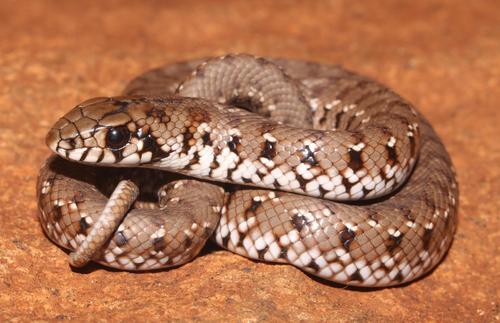
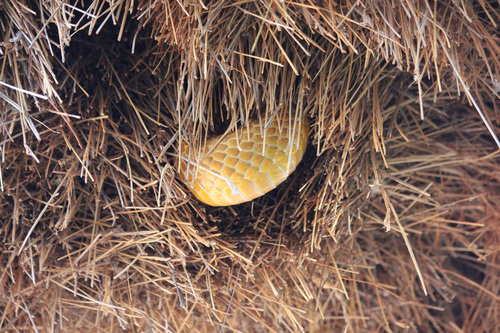
The Cape cobra (Naja nivea), also called the yellow cobra, is a moderate-sized, highly venomous species of cobra inhabiting a wide variety of biomes across southern Africa, including arid savanna, fynbos, bushveld, desert, and semidesert regions.

The species is diurnal and is a feeding generalist, preying on a number of different species and carrion. Predators of this species include birds of prey, honey badgers, and various species of mongooses. The Cape cobra is also known as the geelslang (yellow snake) and bruinkapel (brown cobra) in South Africa. Afrikaans-speaking South Africans also refer to the Cape cobra as koperkapel (copper cobra), mainly because of a rich yellow colour variation. This species has no known subspecies.

Naja nivea was first described by Swedish zoologist Carl Linnaeus in 1758. The generic name naja is a Latinisation of the Sanskrit word nāgá (नाग) meaning "cobra". The specific epithet nivea is derived from the Latin words either nix or nivis meaning "snow" or niveus meaning "snowy" or "snow-white". The connection with snow is obscure, but might have been suggested by discolouration of the first preserved specimens received by taxonomists in... Wikipedia →
Global Distribution

Parks Where Found

# Park Country Daily sighting probability
1 Kgalagadi Transfrontier Park 🇿🇦 South Africa
~30%
2 West Coast National Park 🇿🇦 South Africa
~30%
3 Table Mountain National Park 🇿🇦 South Africa
~10%
4 Addo Elephant National Park 🇿🇦 South Africa
~10%

Cities Where Found

# City Country Daily sighting probability
1 Cape Town 🇿🇦 South Africa
~10%

Zoos & Centres Where Found

# Zoo / Centre Country
1 Pairi Daiza 🇧🇪 Belgium In captivity
2 Cabarceno Natural Park 🇪🇸 Spain In captivity
3 Columbus Zoo and Aquarium 🇺🇸 United States In captivity
4 Omaha’s Henry Doorly Zoo and Aquarium 🇺🇸 United States In captivity
5 Los Angeles Zoo 🇺🇸 United States In captivity
6 National Zoological Garden of South Africa 🇿🇦 South Africa In captivity
7 Indianapolis Zoo 🇺🇸 United States In captivity
8 Zoo Atlanta 🇺🇸 United States In captivity
9 Giraffe House 🇿🇦 South Africa In captivity
10 Reptile Gardens 🇺🇸 United States In captivity
11 Indian River Reptile Zoo 🇨🇦 Canada In captivity
12 Hartbeespoort Dam Snake and Animal Park 🇿🇦 South Africa In captivity
13 Python Park 🇿🇦 South Africa In captivity
14 National Marine Aquarium of Namibia 🇳🇦 Namibia In captivity
15 Exotic Animal World 🇿🇦 South Africa In captivity

Before you go

What are the chances of seeing a Cape Cobra in West Coast National Park?

Possible

About 30% of wildlife watchers report a Cape Cobra sighting in West Coast National Park on a given day, based on 20 verified sightings from GBIF citizen-science data from 2019 to 2026. It is the 8th most-seen of the 23 reptiles we can rate there. Over three days the chance rises to about 60%, and over a week to about 90%, if each day is a fresh chance.

When is the best time to see a Cape Cobra in West Coast National Park?

October

In that month about 50% of wildlife watchers report a Cape Cobra in West Coast National Park on a given day, against under 5% in January, May–July, September and November, the lowest months. That is one of West Coast National Park's driest months, with about 15 mm of rain against 70 mm in June.

What time of day is best to see a Cape Cobra?

Between 11 am and 2 pm

Across all the parks we cover, that three-hour window holds the most Cape Cobra sightings with a recorded time, and about 9 in 10 of them come between 6 am and 6 pm: it is a daytime animal.

Is West Coast National Park the best place to see a Cape Cobra?

Among the best

Of the 4 parks where we can rate Cape Cobra sightings, West Coast National Park ranks 2nd at about 30%, level with the leaders once rounded. The best odds are in Kgalagadi Transfrontier Park (South Africa, about 30%).

Where does the Cape Cobra sighting chance come from?

GBIF citizen-science records

It is estimated from how often the Cape Cobra is recorded against all the reptiles logged in West Coast National Park (20 verified sightings from 2019 to 2026), calibrated against known sighting rates. Figures are rounded to the nearest 10% because citizen-science data supports honest approximations, not decimals, and months with records from fewer than five people show "—". How it works.

← Back to West Coast National Park