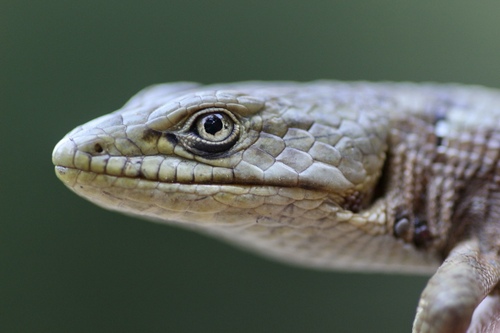
Rhombic Skaapsteker

Rhombic Skaapsteker

Psammophylax rhombeatus

Silhouette: SeismicShrimp · PhyloPic

LCLeast ConcernNTVUENCR
Daily sighting probability ~30% · Possible
at West Coast National Park

In 3 days ~60% in a week ~90%

22 Verified sightings at West Coast National Park From 2019 to 2026
158 In all 4 parks
November Best month
☀️ Diurnal When it's spotted

About the Rhombic Skaapsteker

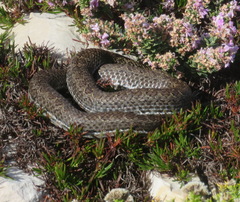
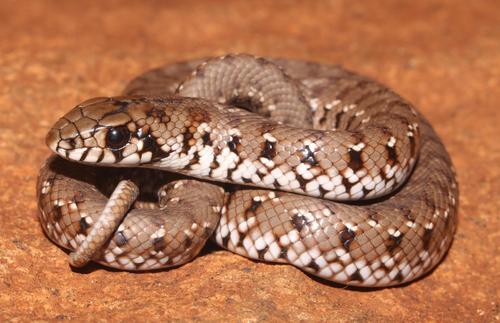
Psammophylax rhombeatus is a reptile commonly found throughout Southern Africa. This mildly venomous snake has a similar role in its ecosystem and has many ancestral similarities to other Psammophis snakes. The Psammophylax rhombeatus (psammo meaning "sand", phylax meaning "guard") has many common names. Some of those names include: spotted grass snake, rhombic skaapsteker, getpikkelde skaapsteker, spotted skaapsteker, rhomben-skaapsteker, gefleckter skaapsteker, and gevlekte skaapsteker.

The origin of the name Skaapsteker is another meaning for 'sheep stabber' or 'sheep stinger.' This is from the common misbelief that the Psammophylax rhombeatus was responsible for the death of large numbers of sheep. This was incorrect because the sheep deaths were caused by another snake, most likely the naja nivea, also known as the Cape cobra. It is known that the Psammophylax rhombeatus did not prey on sheep because of the formation of their jaws. This and the toxicity of their venom would not allow them to cause any real harm to the sheep, or any other large animal.

The Psammophylax rhombeatus ranges in colour from grey, to different shades of brown. Relating... Wikipedia →

Global Distribution

Parks Where Found

# Park Country Daily sighting probability
1 West Coast National Park 🇿🇦 South Africa
~30%
2 De Hoop Nature Reserve 🇿🇦 South Africa
~20%
3 Table Mountain National Park 🇿🇦 South Africa
~10%
4 Garden Route National Park 🇿🇦 South Africa
~10%

Cities Where Found

# City Country Daily sighting probability
1 Cape Town 🇿🇦 South Africa
~10%

Before you go

What are the chances of seeing a Rhombic Skaapsteker in West Coast National Park?

Possible

About 30% of wildlife watchers report a Rhombic Skaapsteker sighting in West Coast National Park on a given day, based on 22 verified sightings from GBIF citizen-science data from 2019 to 2026. It is the 7th most-seen of the 23 reptiles we can rate there. Over three days the chance rises to about 60%, and over a week to about 90%, if each day is a fresh chance.

When is the best time to see a Rhombic Skaapsteker in West Coast National Park?

November

In that month about 50% of wildlife watchers report a Rhombic Skaapsteker in West Coast National Park on a given day, against under 5% in January and May, the lowest months.

What time of day is best to see a Rhombic Skaapsteker?

Between noon and 3 pm

Across all the parks we cover, that three-hour window holds the most Rhombic Skaapsteker sightings with a recorded time, and about 9 in 10 of them come between 6 am and 6 pm: it is a daytime animal.

Is West Coast National Park the best place to see a Rhombic Skaapsteker?

Yes

Of the 4 parks where we can rate Rhombic Skaapsteker sightings, West Coast National Park has the highest daily chance: about 30%. Next come De Hoop Nature Reserve (South Africa, about 20%) and Table Mountain National Park (South Africa, about 10%).

Which relatives of the Rhombic Skaapsteker live in West Coast National Park?

Same family: Psammophiidae

The closest relatives of the Rhombic Skaapsteker that you can see in West Coast National Park (family Psammophiidae, Sand Snakes) are Cape Sand Snake (about 20%), Cross-marked Grass Snake (about 10%) and Karoo Sand Snake (about 10%), with each one's daily chance of a sighting.

Where does the Rhombic Skaapsteker sighting chance come from?

GBIF citizen-science records

It is estimated from how often the Rhombic Skaapsteker is recorded against all the reptiles logged in West Coast National Park (22 verified sightings from 2019 to 2026), calibrated against known sighting rates. Figures are rounded to the nearest 10% because citizen-science data supports honest approximations, not decimals, and months with records from fewer than five people show "—". How it works.

← Back to West Coast National Park