


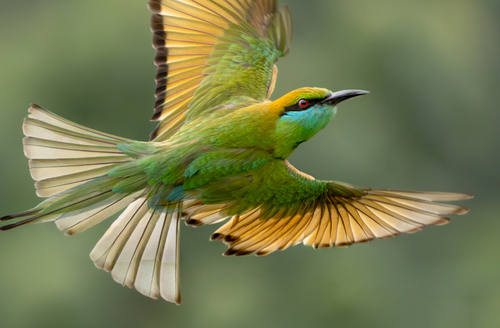


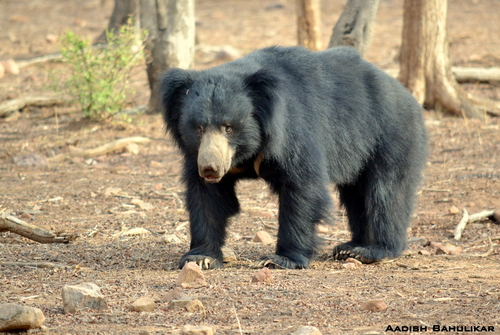




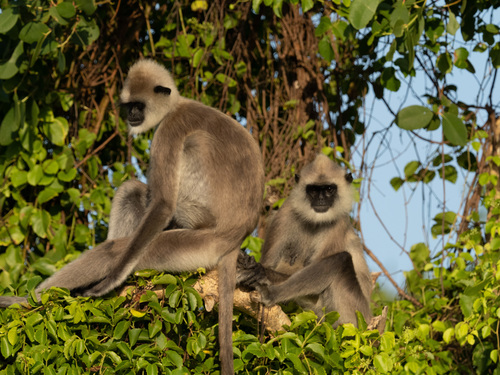


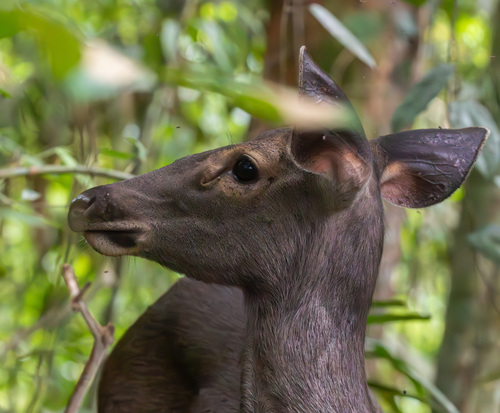


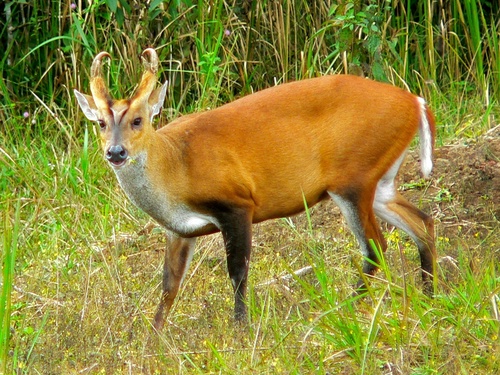


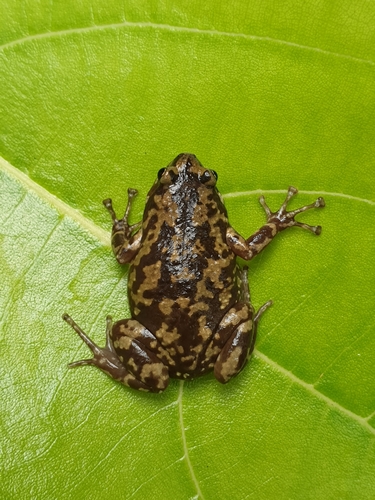


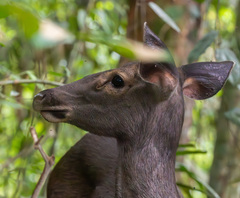
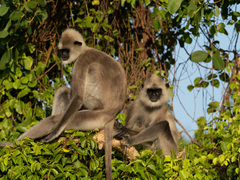
All 4 in 3 days here: ~90%
Wilpattu National Park
🇱🇰 Sri Lanka
Indian Subcontinent, Sri Lanka 662 spp. recorded
Wilpattu National Park is a protected tropical dry forest situated on the northwest coast of Sri Lanka. The landscape differs from neighboring reserves through its network of natural, sand-rimmed water basins called *villus*, which fill with rainwater and sustain the surrounding dense woodland and scrub.
8.386° N 80.021° E
🦜 Nature

292 Species sighted
24,223 Verified sightings From 2019 to 2026
Apr Best month
⭐ Iconic Species
📊 Most Spotted
⭐ Iconic Species
📊 Most Spotted
📊 Most Spotted
⭐ Iconic Species
📊 Most Spotted
📊 Most Spotted
📊 Most Spotted
⭐ Iconic Species
🌙 Most active after dark
+ 452 more species with insufficient data
Challenges you can complete here
Recent sightings in Wilpattu National Park
LIVEiNaturalistSighting Calendar
How many species you'd see in a day
61Jan
65Feb
65Mar
69Apr
64May
58Jun
55Jul
58Aug
57Sep
67Oct
69Nov
58Dec
Sighting Zones
Warmer areas are where all species together are recorded most often.
-
Chiniy Uttu
-
8.505° N, 80.063° E
Daily sight. prob.vs avg -
Claughton Wild
Daily sight. prob.vs avg -
Hunuviladama Tank
Daily sight. prob.vs avg Bark Gecko~70%+20%
 Common Peafowl~70%-20%
 Axis Deer~70%-20%
 Pearl-necked Dove~60%-20%
 Oriental Garden Lizard~60%-10%
 Malabar Pied Hornbill~60%-10%
 Rohan's Globular Frog~60%+20%
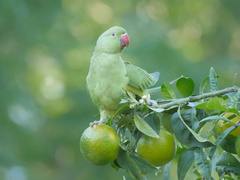 Rose-ringed Parakeet~60%-10%
 White-throated Kingfisher~60%-20%
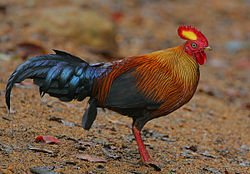 Sri Lanka Junglefowl~50%-30%
 Chunam Tree Frog~50%≈
 Common Green Forest Lizard~50%+20%





🏕️ Experience
Essentials
Entrance
Paid
Tourism
Low
Typical stay
1–2
daysTrails
Easy
World Heritage
No
Climate
Temp °C Rain mm
JanFebMarAprMayJunJulAugSepOctNovDec
0.0 World-class
Wallace's Line Score
How good is this park for seeing wildlife? 🦜
Biodiversity
Very goodHow rich is the wildlife?
4.5
Species by taxon
🦅 Birds 402
🐒 Mammals 118
🦎 Reptiles 114
🐸 Amphibians 28
662 Total Species
828 Global average across 316 parks
52 Threatened 4 Endemic
🔭
Sighting
ExcellentHow likely to see animals?
5.0
🎯
Top-12 Avg Probability
82% 📊
Coverage (220 species at ≥5% of 662 in the inventory)
33% 🔀
Taxon variety in top 12 (6 bird, 4 mammal, 2 reptile)
81% 🔭
Species per 10 outings (distinct species a visitor would meet over 10 outings — effort held equal across parks)
137 🌟
Iconic-group species (≥15%) (every species from the 19 iconic groups — monkeys, cats, toucans, macaws, sloths, crocodilians… — not just the 4 highlighted above)
27 ⭐
High-prob species (>40%)
67 🏕️
Experience
ExcellentHow easy and pleasant is the visit?
4.8
Climate Pleasant High
Entrance Paid Low
Tourism Low High
Trails Easy High
World Heritage No —
What visitors say
However we did see the other animal on our wish-list, the sloth bear.
We saw many types of herons and egrets, ibis, kingfishers, darters, and cormorants.
The first elephant we saw as we were watching a buffalo.
I found this blog hard to write, after travelling around Sri Lanka for two months via tuk tuk, I felt we saw more wildlife on the road than in the park: hornbills, crocodiles, elephants, mongoose, peacocks… of course I know this is down to good or bad luck.
Before you go
What animals can you see in Wilpattu National Park?
662 species
Wilpattu National Park has 662 recorded vertebrate species. The ones wildlife watchers report most often on a given day are Axis Deer (about 90%), Common Peafowl (about 90%), Bengal Monitor (about 90%), Pearl-necked Dove (about 80%) and Leopard (about 80%). Among amphibians, the most-seen is Chunam Tree Frog (about 50%).
When is the best time to visit Wilpattu National Park for wildlife?
May
In that month the park's 12 most-seen species average about 90% on a given day, against about 80% in June to April.
Can you see a Leopard in Wilpattu National Park?
Yes
About 80% of wildlife watchers report a Leopard sighting in Wilpattu National Park on a given day, based on 99 verified sightings from GBIF citizen-science data from 2019 to 2026. The best time is May and August (about 90%).
Can you see an Axis Deer in Wilpattu National Park?
Yes
About 90% of wildlife watchers report an Axis Deer sighting in Wilpattu National Park on a given day, based on 192 verified sightings from GBIF citizen-science data from 2019 to 2026.
Can you see a Mugger Crocodile in Wilpattu National Park?
Yes
About 80% of wildlife watchers report a Mugger Crocodile sighting in Wilpattu National Park on a given day, based on 120 verified sightings from GBIF citizen-science data from 2019 to 2026. The best time is July to May (about 80%).
Can you see an Asian Elephant in Wilpattu National Park?
Yes
About 80% of wildlife watchers report an Asian Elephant sighting in Wilpattu National Park on a given day, based on 81 verified sightings from GBIF citizen-science data from 2019 to 2026. The best time is August (about 90%).
Is Wilpattu National Park good for wildlife watching?
4.8 out of 5
On the Wallace's Line Score, Wilpattu National Park rates 4.8/5: 13th of 316 parks worldwide and 3rd in Asia. 75 of its species are reported by about 40% or more of wildlife watchers on a given day.


