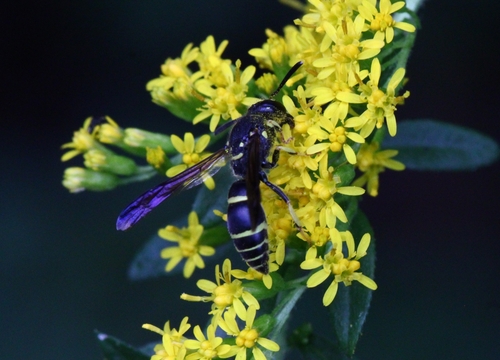
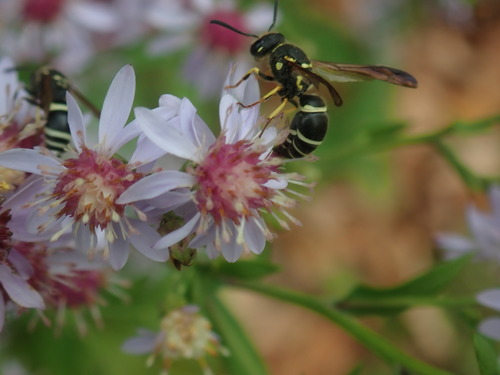
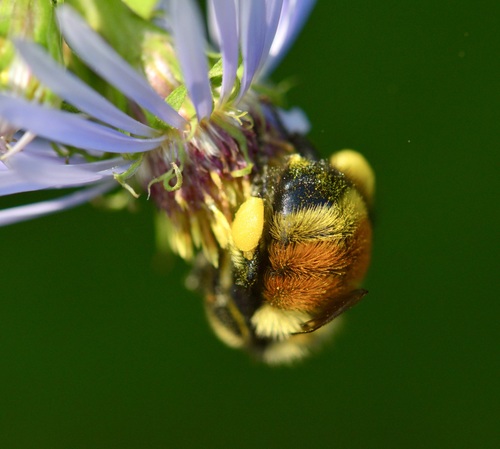
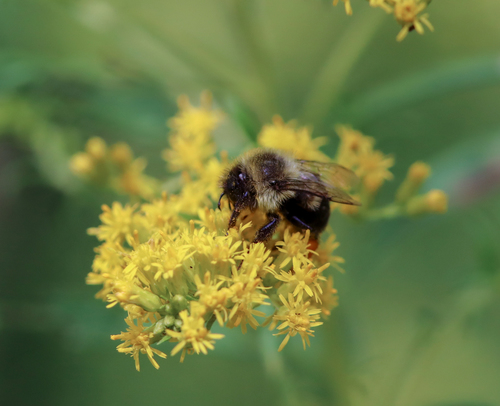
Eastern Yellowjacket
Daily sighting probability ~10% · With luck
at Acadia National Park

In 3 days ~20% in a week ~40%

19 Verified sightings at Acadia National Park From 2019 to 2026
166 In all 3 parks
October Best month
☀️ Diurnal When it's spotted

About the Eastern Yellowjacket

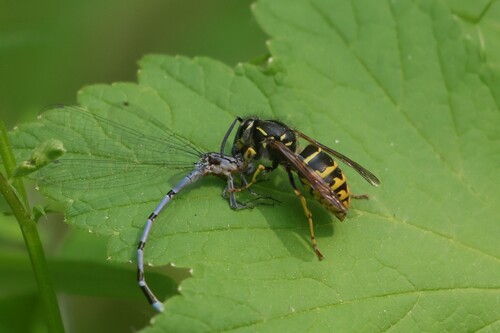
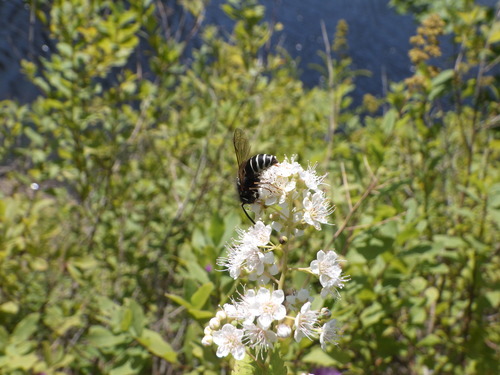
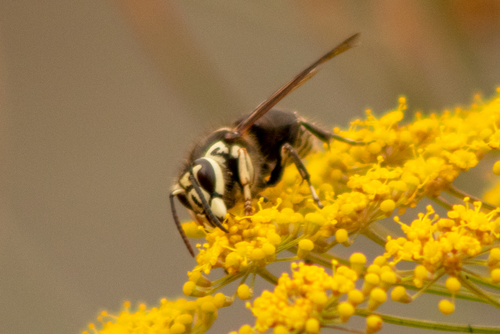
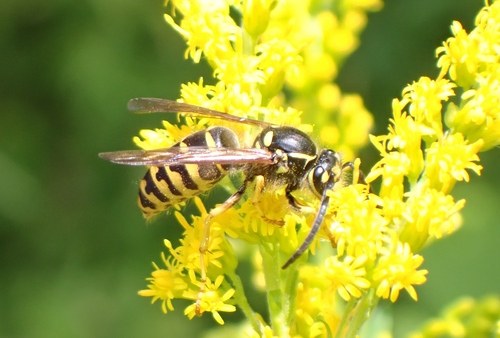
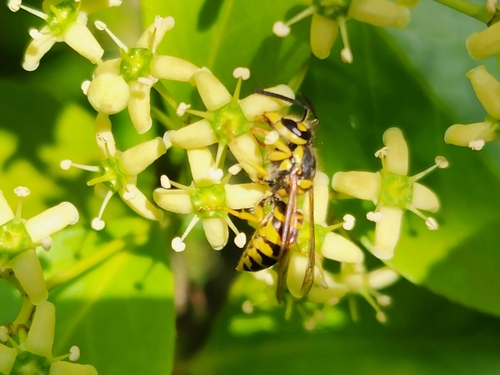
The eastern yellowjacket (eastern yellow jacket; Vespula maculifrons) is a wasp found in eastern North America. Although most of their nests are subterranean, they are often considered a pest due to their nesting in recreational areas and buildings. This yellow jacket is a social insect, living in colonies of hundreds to thousands of individuals. Along with their subfamily, Vespinae, this species demonstrates supportive parental care for offspring, separation of reproductive and sterile castes, and overlapping generations. They aggressively defend their nests from threats and are known to inflict painful stings.

V. maculifrons, in the family Vespidae and the subfamily Vespinae, is commonly found throughout the Northern Hemisphere as part of the yellowjackets. For example, V. maculifrons is commonly called the eastern yellowjacket and has the black and yellow color that distinguishes the yellowjackets. The specific name maculifrons is derived from the Latin word macula, which means spot, and frons, which means forehead. This refers to the spots on the head of species, which are another distinguishing characteristic. Like other Vespula species, V. maculifrons... Wikipedia →
Global Distribution

Parks Where Found

# Park Country Daily sighting probability
1 Shenandoah National Park 🇺🇸 United States
~20%
2 Great Smoky Mountains National Park 🇺🇸 United States
~10%
3 Acadia National Park 🇺🇸 United States
~10%

Cities Where Found

# City Country Daily sighting probability
1 Boston 🇺🇸 United States
~20%
2 Washington 🇺🇸 United States
~20%
3 Philadelphia 🇺🇸 United States
~10%
4 Minneapolis [Saint Paul] 🇺🇸 United States
~10%
5 Baltimore 🇺🇸 United States
~10%
6 New York City 🇺🇸 United States
~10%
7 Detroit 🇺🇸 United States
~10%
8 Toronto 🇨🇦 Canada
~10%
9 Chicago 🇺🇸 United States
~10%
10 Montreal 🇨🇦 Canada
~10%

Before you go

What are the chances of seeing an Eastern Yellowjacket in Acadia National Park?

With luck

About 10% of wildlife watchers report an Eastern Yellowjacket sighting in Acadia National Park on a given day, based on 19 verified sightings from GBIF citizen-science data from 2019 to 2026. It is the 135th most-seen of the 405 insects we can rate there. Over three days the chance rises to about 20%, and over a week to about 40%, if each day is a fresh chance.

When is the best time to see an Eastern Yellowjacket in Acadia National Park?

October

In that month about 20% of wildlife watchers report an Eastern Yellowjacket in Acadia National Park on a given day, against under 5% in June and November–April, the lowest months.

What time of day is best to see an Eastern Yellowjacket?

Between noon and 3 pm

Across all the parks we cover, that three-hour window holds the most Eastern Yellowjacket sightings with a recorded time, and about 9 in 10 of them come between 6 am and 6 pm: it is a daytime animal.

Is Acadia National Park the best place to see an Eastern Yellowjacket?

3rd of 3

Of the 3 parks where we can rate Eastern Yellowjacket sightings, Acadia National Park ranks 3rd at about 10%. The best odds are in Shenandoah National Park (United States, about 20%) and Great Smoky Mountains National Park (United States, about 10%).

Which relatives of the Eastern Yellowjacket live in Acadia National Park?

Same genus: Vespula

The closest relatives of the Eastern Yellowjacket that you can see in Acadia National Park (genus Vespula, Ground Yellowjackets) are American Yellowjacket (about 10%), Blackjacket (about 10%) and Forest Yellowjacket (about 10%), with each one's daily chance of a sighting.

Where does the Eastern Yellowjacket sighting chance come from?

GBIF citizen-science records

It is estimated from how often the Eastern Yellowjacket is recorded against all the insects logged in Acadia National Park (19 verified sightings from 2019 to 2026), calibrated against known sighting rates. Figures are rounded to the nearest 10% because citizen-science data supports honest approximations, not decimals, and months with records from fewer than five people show "—". How it works.

← Back to Acadia National Park