Tawny Nesocolletes

Tawny Nesocolletes

Leioproctus fulvescens

Daily sighting probability ~10% · With luck
at Arthur's Pass National Park

In 3 days ~30% in a week ~50%

5 Verified sightings at Arthur's Pass National Park From 2019 to 2026
5 In 1 park
January Best month
☀️ Diurnal When it's spotted

About the Tawny Nesocolletes

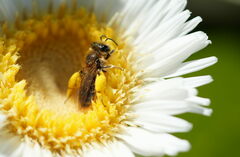
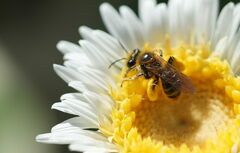
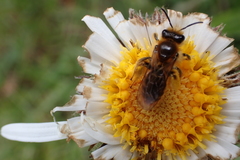
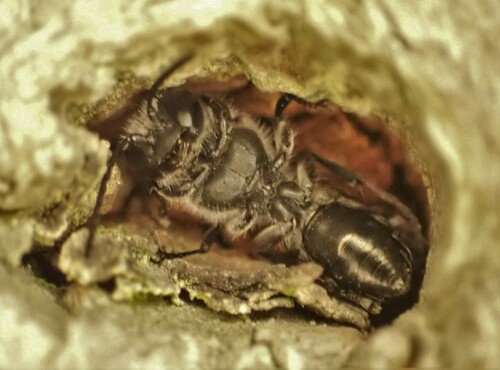
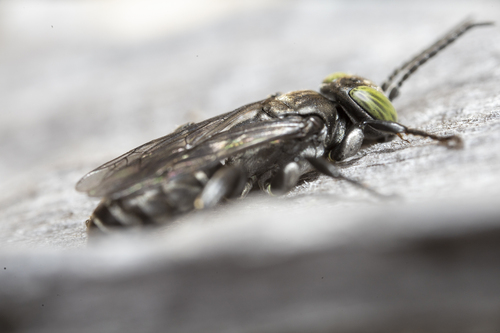
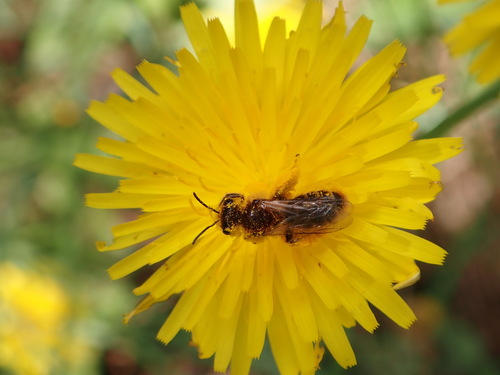
Leioproctus fulvescens is a species of solitary bee belonging to the family Colletidae. This bee is endemic to the South Island of New Zealand, and its yellow-orange hair distinguishes it from all other New Zealand species of Leioproctus.

The native solitary bees of pre-European New Zealand were collectively known by the Māori name ngaro huruhuru, ngaro being the generic word for wasp, bee, or large fly, and huruhuru the adjective for hairy or furry. Leioproctus fulvescens was first formally described as Lamprocolletes fulvescens in 1876 by the English entomologist Frederick Smith. The types had been collected in the region of Canterbury by Charles Marcus Wakefield, son of Daniel Wakefield. This species is classified in the subgenus Nesocolletes of the large Australasian and temperate South American genus Leioproctus within the family Colletidae.

Leioproctus fulvescens adults are about 10 mm (0.39 in) long with a dense covering of hair, typically yellow to orange-brown in colour; this feature distinguishes them from other New Zealand Leioproctus species, which have white to cream hairs.

Leioproctus fulvescens adults fly primarily... Wikipedia →
Global Distribution

Parks Where Found

# Park Country Daily sighting probability
1 Arthur's Pass National Park 🇳🇿 New Zealand
~10%

More parks will be added in future updates.

Before you go

What are the chances of seeing a Tawny Nesocolletes in Arthur's Pass National Park?

With luck

About 10% of wildlife watchers report a Tawny Nesocolletes sighting in Arthur's Pass National Park on a given day, based on 5 verified sightings from GBIF citizen-science data from 2019 to 2026. It is the 48th most-seen of the 60 insects we can rate there. Over three days the chance rises to about 30%, and over a week to about 50%, if each day is a fresh chance.

When is the best time to see a Tawny Nesocolletes in Arthur's Pass National Park?

January

In that month about 20% of wildlife watchers report a Tawny Nesocolletes in Arthur's Pass National Park on a given day, against under 5% in February and April–December, the lowest months.

What time of day is best to see a Tawny Nesocolletes?

Between 3 and 6 pm

Across all the parks we cover, that three-hour window holds the most Tawny Nesocolletes sightings with a recorded time, and nearly all of them come between 6 am and 6 pm: it is a daytime animal.

Where else can you see a Tawny Nesocolletes?

Only Arthur's Pass National Park, in our data

Arthur's Pass National Park is the only park on Wallace's Line with enough records to rate Tawny Nesocolletes sightings: about 10% of wildlife watchers there report one on a given day.

Which relatives of the Tawny Nesocolletes live in Arthur's Pass National Park?

Same order: Hymenoptera

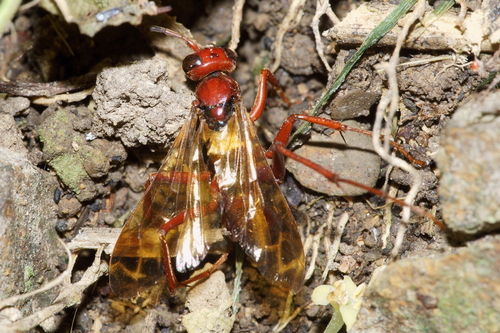
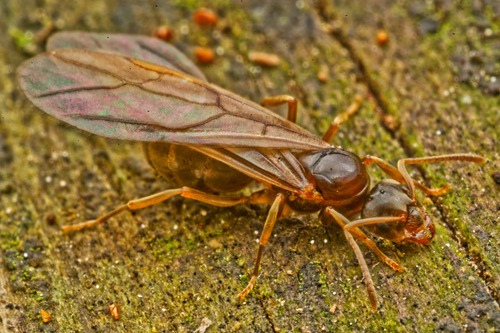
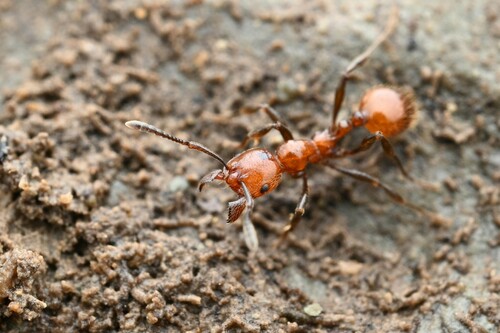
The closest relatives of the Tawny Nesocolletes that you can see in Arthur's Pass National Park (order Hymenoptera, Ants, Bees, Wasps, and Sawflies) are Buff-Tailed Bumble Bee (about 20%), Southern Ant (about 20%) and New Zealand Mason Wasp (about 10%), with each one's daily chance of a sighting.

Where does the Tawny Nesocolletes sighting chance come from?

GBIF citizen-science records

It is estimated from how often the Tawny Nesocolletes is recorded against all the insects logged in Arthur's Pass National Park (5 verified sightings from 2019 to 2026), calibrated against known sighting rates. Figures are rounded to the nearest 10% because citizen-science data supports honest approximations, not decimals, and months with records from fewer than five people show "—". How it works.

← Back to Arthur's Pass National Park