Black Cockroach-Hunter Wasp

Black Cockroach-Hunter Wasp

Tachysphex nigerrimus

Endemic
Daily sighting probability ~10% · With luck
at Arthur's Pass National Park

In 3 days ~30% in a week ~50%

5 Verified sightings at Arthur's Pass National Park From 2019 to 2026
17 In all 2 parks
January Best month
☀️ Diurnal When it's spotted

About the Black Cockroach-Hunter Wasp

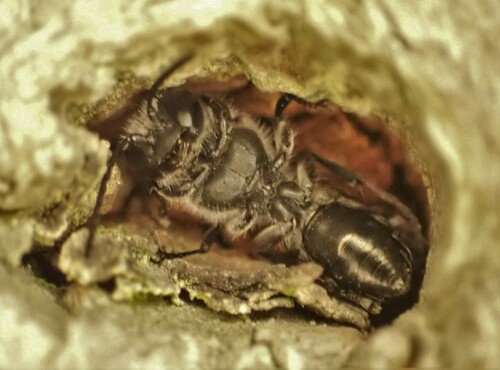
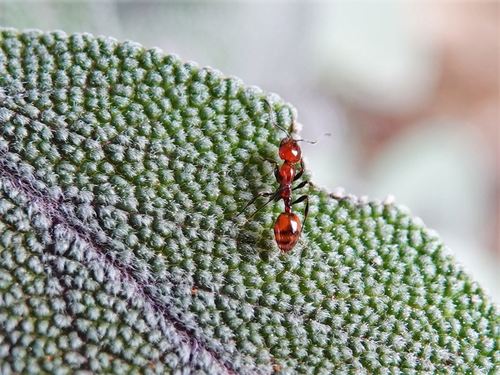
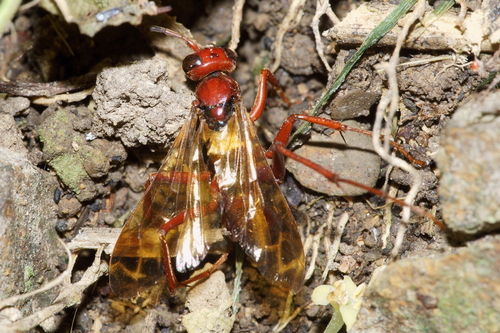
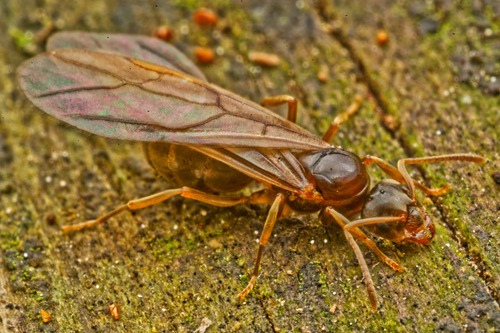
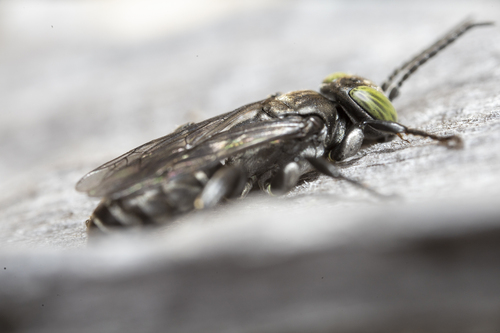
Tachysphex nigerrimus, also known as the black cockroach hunter, is a species of wasp in the family Crabronidae. It is endemic to New Zealand, the only species of Tachysphex that occurs there. It was nominated for New Zealand Bug of the Year in 2024, and came in 19th place of 20 contenders.

This species is known as the black cockroach-hunting wasp or black cockroach hunter in English, and in Māori as ngaro wīwī (written "ngaro wiwi", without macrons, in older sources). Ngaro is a generic Māori word for fly or wasp, and wīwī conveys walking to distant places (as in the phrase ki wīwī ki wāwā for going walkabout). This name is used for all the New Zealand hunting wasps in the families Eumenidae, Pompilidae, and Sphecidae, such as Pison spinolae and Priocnemis monachus.

The species was first described as Tachytes nigerrimus by Frederick Smith in 1856. The holotype is at the British Museum of Natural History. T. nigerrimus makes small, simple burrows in sand or in silty riverbanks above flood level, and can burrow into rock. The female T. nigerrimus hunts for native cockroaches (such as Celatoblatta or Parellipsidion), which she stings, paralysing... Wikipedia →
Global Distribution

Parks Where Found

# Park Country Daily sighting probability
1 Abel Tasman National Park 🇳🇿 New Zealand
~10%
2 Arthur's Pass National Park 🇳🇿 New Zealand
~10%

Before you go

What are the chances of seeing a Black Cockroach-Hunter Wasp in Arthur's Pass National Park?

With luck

About 10% of wildlife watchers report a Black Cockroach-Hunter Wasp sighting in Arthur's Pass National Park on a given day, based on 5 verified sightings from GBIF citizen-science data from 2019 to 2026. It is the 48th most-seen of the 60 insects we can rate there. Over three days the chance rises to about 30%, and over a week to about 50%, if each day is a fresh chance.

When is the best time to see a Black Cockroach-Hunter Wasp in Arthur's Pass National Park?

January and March

In those months about 20% of wildlife watchers report a Black Cockroach-Hunter Wasp in Arthur's Pass National Park on a given day, against under 5% in February and April–December, the lowest months.

What time of day is best to see a Black Cockroach-Hunter Wasp?

Between 11 am and 2 pm

Across all the parks we cover, that three-hour window holds the most Black Cockroach-Hunter Wasp sightings with a recorded time, and about 8 in 10 of them come between 6 am and 6 pm: it is a daytime animal.

Is Arthur's Pass National Park the best place to see a Black Cockroach-Hunter Wasp?

Among the best

Of the 2 parks where we can rate Black Cockroach-Hunter Wasp sightings, Arthur's Pass National Park ranks 2nd at about 10%, level with the leaders once rounded. The best odds are in Abel Tasman National Park (New Zealand, about 10%).

Where does the Black Cockroach-Hunter Wasp sighting chance come from?

GBIF citizen-science records

It is estimated from how often the Black Cockroach-Hunter Wasp is recorded against all the insects logged in Arthur's Pass National Park (5 verified sightings from 2019 to 2026), calibrated against known sighting rates. Figures are rounded to the nearest 10% because citizen-science data supports honest approximations, not decimals, and months with records from fewer than five people show "—". How it works.

← Back to Arthur's Pass National Park