New Zealand Mason Wasp

New Zealand Mason Wasp

Pison spinolae

Daily sighting probability ~10% · With luck
at Arthur's Pass National Park

In 3 days ~40% in a week ~70%

11 Verified sightings at Arthur's Pass National Park From 2019 to 2026
19 In all 2 parks
March Best month
☀️ Diurnal When it's spotted

About the New Zealand Mason Wasp

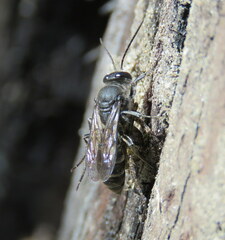
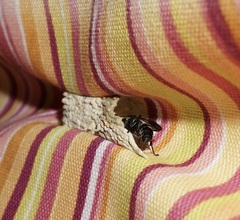
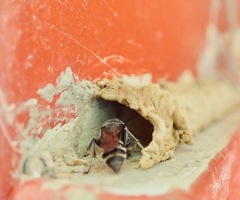
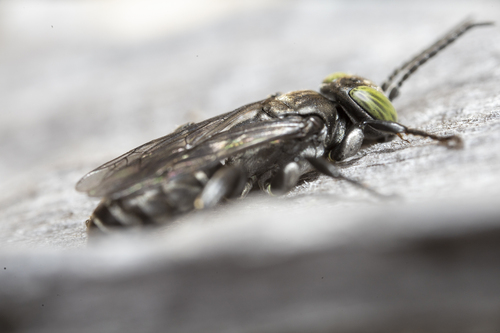
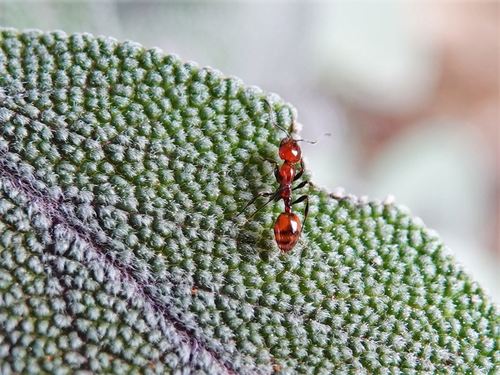
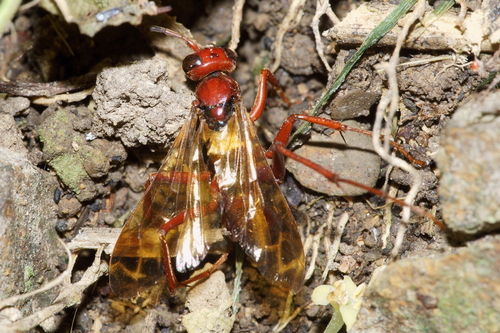
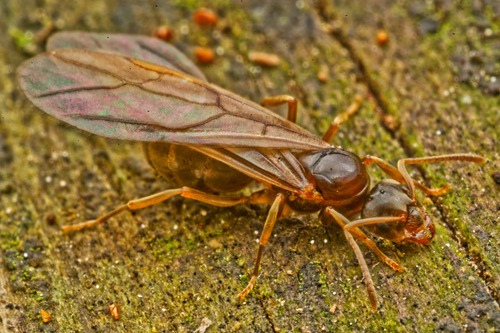
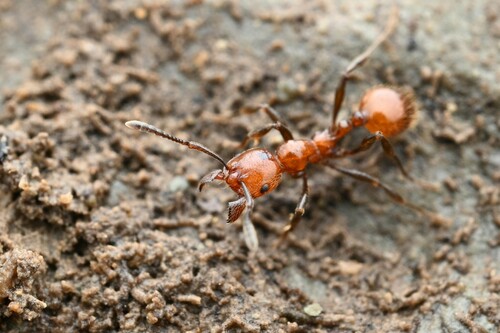
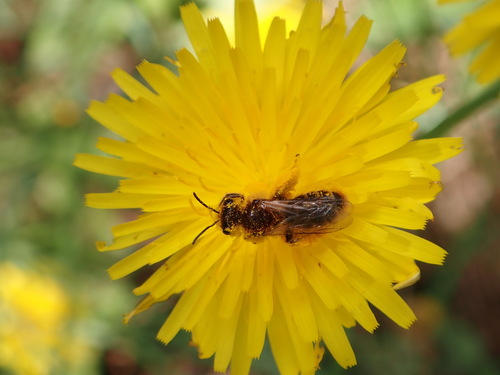
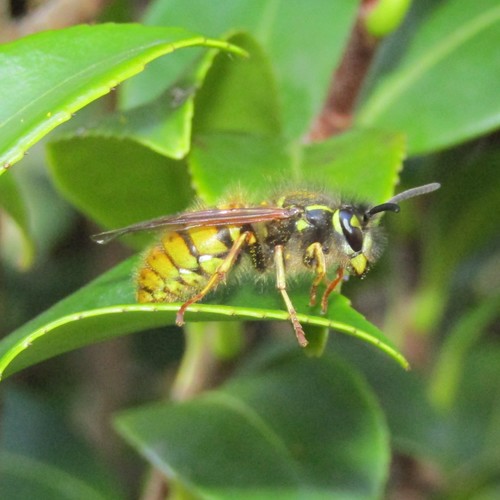
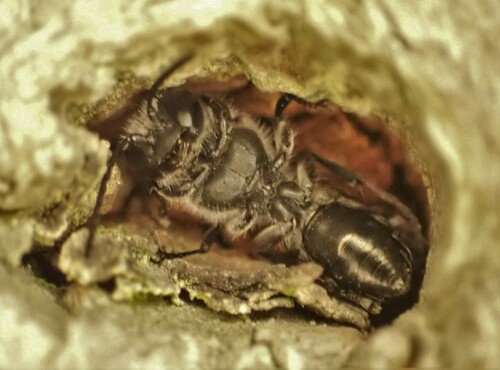
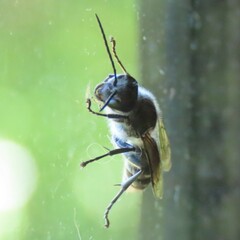
Pison spinolae is a solitary wasp of the family Crabronidae, native to Australia and New Zealand. Like all insects, P. spinolae has a hard exoskeleton, one pair of antennae and three pairs of legs. These legs are strong as they need to be able to carry spiders back to their nests for their young. It has a segmented body divided into three sections; head, thorax and abdomen and two pairs of wings. An easily identifiable feature of the mason wasp, similar to other wasp species is the thin waist between the thorax and abdomen. This helps to tell the difference between a wasp and bee. The mason wasp is able to use its stinger repeatedly unlike bees. It relies on this to inject venom into spiders which paralyses them and allows the adult female to carry the spider back to the nest. Unlike some commonly-known wasps, P. spinolae is not black and yellow, the adult's body is fully black and has a length of approximately 16 millimetres (0.63 in). The nest of the mason wasp is constructed from predominantly sand and mud. It is small in size and widely abundant, found in places such as cracks of buildings and keyholes. The most obvious characteristic used for identification is... Wikipedia →

Global Distribution

Parks Where Found

# Park Country Daily sighting probability
1 Arthur's Pass National Park 🇳🇿 New Zealand
~10%
2 Fiordland National Park 🇳🇿 New Zealand
~10%

Cities Where Found

# City Country Daily sighting probability
1 Auckland 🇳🇿 New Zealand
~10%

Before you go

What are the chances of seeing a New Zealand Mason Wasp in Arthur's Pass National Park?

With luck

About 10% of wildlife watchers report a New Zealand Mason Wasp sighting in Arthur's Pass National Park on a given day, based on 11 verified sightings from GBIF citizen-science data from 2019 to 2026. It is the 20th most-seen of the 60 insects we can rate there. Over three days the chance rises to about 40%, and over a week to about 70%, if each day is a fresh chance.

When is the best time to see a New Zealand Mason Wasp in Arthur's Pass National Park?

March

In that month about 30% of wildlife watchers report a New Zealand Mason Wasp in Arthur's Pass National Park on a given day, against under 5% in April–October and December, the lowest months.

What time of day is best to see a New Zealand Mason Wasp?

Between 1 and 4 pm

Across all the parks we cover, that three-hour window holds the most New Zealand Mason Wasp sightings with a recorded time, and about 8 in 10 of them come between 6 am and 6 pm: it is a daytime animal.

Is Arthur's Pass National Park the best place to see a New Zealand Mason Wasp?

Yes

Of the 2 parks where we can rate New Zealand Mason Wasp sightings, Arthur's Pass National Park has the highest daily chance: about 10%. Next come Fiordland National Park (New Zealand, about 10%).

Where does the New Zealand Mason Wasp sighting chance come from?

GBIF citizen-science records

It is estimated from how often the New Zealand Mason Wasp is recorded against all the insects logged in Arthur's Pass National Park (11 verified sightings from 2019 to 2026), calibrated against known sighting rates. Figures are rounded to the nearest 10% because citizen-science data supports honest approximations, not decimals, and months with records from fewer than five people show "—". How it works.
← Back to Arthur's Pass National Park