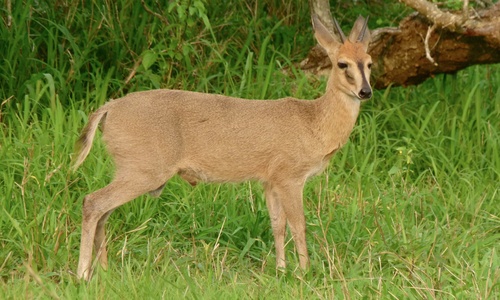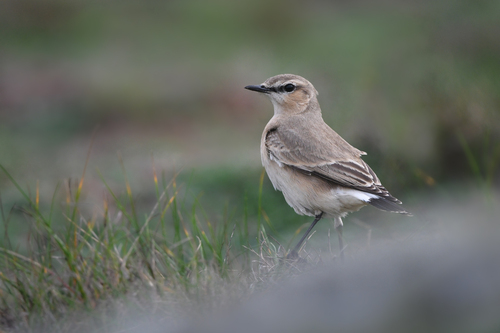


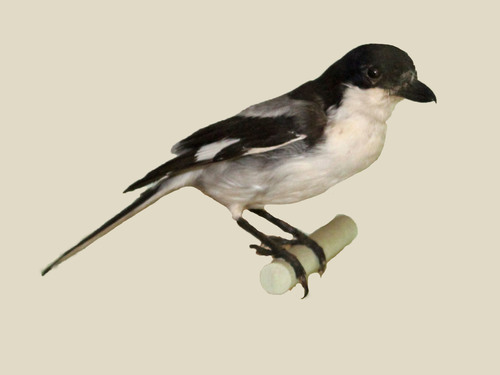


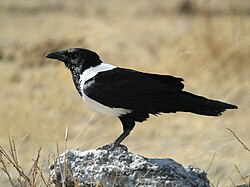



All 5 in 3 days here: ~20%
Awash National Park
🇪🇹 Ethiopia
Horn of Africa, Ethiopia 1030 spp. recorded
Awash National Park is a protected savanna and arid acacia scrubland situated in the lowlands of Ethiopia, marked by open dry plains and volcanic rocky ground. This terrain sets it apart from dense tropical reserves, offering wide vistas across sparse grasslands and dry river gorges where the heat defines the day.
8.951° N 39.989° E
🦜 Nature

361 Species sighted
6,408 Verified sightings From 2019 to 2026
Jan Best month
⭐ Iconic Species
📊 Most Spotted
⭐ Iconic Species
📊 Most Spotted
📊 Most Spotted
⭐ Iconic Species
📊 Most Spotted
📊 Most Spotted
📊 Most Spotted
🌙 Most active after dark
+ 811 more species with insufficient data
Challenges you can complete here
Recent sightings in Awash National Park
LIVEiNaturalistSighting Calendar
How many species you'd see in a day
50Jan
5.2Feb
5.5Mar
50Apr
1.4May
44Jun
49Jul
41Aug
4.8Sep
49Oct
50Nov
40Dec
Sighting Zones
Warmer areas are where all species together are recorded most often.
-
Southern section
Daily sight. prob.vs avg Dark Chanting-Goshawk~90%+30%
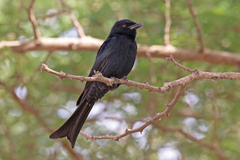 Fork-tailed Drongo~70%+20%
 White-headed Buffalo-Weaver~70%+10%
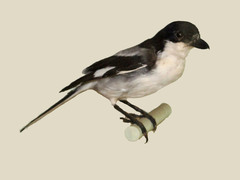 Somali Fiscal~70%+20%
 Northern Carmine Bee-eater~60%≈
 Abyssinian Roller~60%-10%
 African Gray Flycatcher~60%+10%
 Common Hoopoe~50%≈
 African Grey Hornbill~50%-10%
 Isabelline Wheatear~50%-10%
 Greater Blue-eared Starling~50%≈
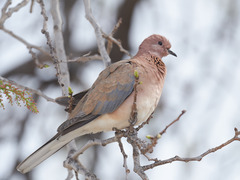
 Speckled Pigeon~30%-10%
-
8.928° N, 40.060° E
Daily sight. prob.vs avg- Dark Chanting-Goshawk~70%+10%
- Fork-tailed Drongo~70%+10%
- Isabelline Wheatear~70%+10%
- White-headed Buffalo-Weaver~70%≈
- Somali Fiscal~60%+10%
- African Grey Hornbill~60%≈
- Northern Carmine Bee-eater~60%≈
- Abyssinian Roller~60%-10%
- Speckled Pigeon~50%≈
- Common Hoopoe~50%-10%
- African Gray Flycatcher~30%-10%
- Greater Blue-eared Starling~30%-20%
-
Geda rangers camp
Daily sight. prob.vs avg- African Gray Flycatcher~40%-10%
- White-headed Buffalo-Weaver~40%-20%
- Abyssinian Roller~30%-40%
- Dark Chanting-Goshawk~20%-40%
- Common Hoopoe~20%-30%
- African Grey Hornbill~20%-30%
- Isabelline Wheatear~20%-30%
- Speckled Pigeon~10%-30%
- Fork-tailed Drongo~10%-50%
- Somali Fiscal~10%-40%
- Northern Carmine Bee-eater<5%-60%
- Greater Blue-eared Starling<5%-40%


🏕️ Experience
Essentials
Entrance
Paid
Tourism
Low
Typical stay
1–2
daysTrails
Easy
World Heritage
No
Climate
Temp °C Rain mm
JanFebMarAprMayJunJulAugSepOctNovDec
0.0 World-class
Wallace's Line Score
How good is this park for seeing wildlife? 🦜
Biodiversity
ExcellentHow rich is the wildlife?
5.0
Species by taxon
🦅 Birds 771
🐒 Mammals 146
🦎 Reptiles 96
🐸 Amphibians 17
1030 Total Species
828 Global average across 316 parks
42 Threatened 32 Endemic
🔭
Sighting
ExcellentHow likely to see animals?
4.3
🎯
Top-12 Avg Probability
67% 📊
Coverage (227 species at ≥5% of 1030 in the inventory)
22% 🔀
Taxon variety in top 12 (5 mammal, 4 bird, 3 reptile)
87% 🔭
Species per 10 outings (distinct species a visitor would meet over 10 outings — effort held equal across parks)
193 🌟
Iconic-group species (≥15%) (every species from the 19 iconic groups — monkeys, cats, toucans, macaws, sloths, crocodilians… — not just the 4 highlighted above)
24 ⭐
High-prob species (>40%)
43 🏕️
Experience
ExcellentHow easy and pleasant is the visit?
4.8
Climate Pleasant High
Entrance Paid Low
Tourism Low High
Trails Easy High
World Heritage No —
What visitors say
Whilst eating breakfast Dad and I spotted our first Helemeted Guineafowl of the trip which flew past the waterfall as well as a Hadada Ibis and Goliath Heron (both flyovers).
Abyssinian Hares were by far the most abundant and we spotted around a dozen Bat-eared Foxes.
My first sighting happened at lightning speed, and it was a very lucky one as we spotted three very rare bat-eared foxes running away.
Before you go
What animals can you see in Awash National Park?
1,030 species
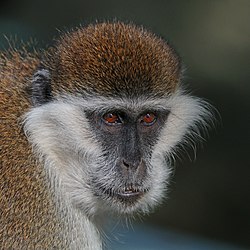
Awash National Park has 1,030 recorded vertebrate species. The ones wildlife watchers report most often on a given day are Salt's Dik-dik (about 80%), Leopard Tortoise (about 80%), East African Oryx (about 70%), Sömmerring's Gazelle (about 70%) and Grivet (about 70%). Among birds, the most-seen is Abyssinian Roller (about 70%).
When is the best time to visit Awash National Park for wildlife?
June and November
In those months the park's 12 most-seen species average about 70% on a given day, against about 50% in March and July–September.
Can you see an East African Oryx in Awash National Park?
Yes
About 70% of wildlife watchers report an East African Oryx sighting in Awash National Park on a given day, based on 22 verified sightings from GBIF citizen-science data from 2019 to 2026. The best time is January–February, May, September and November (about 80%).
Can you see a Sömmerring's Gazelle in Awash National Park?
Yes
About 70% of wildlife watchers report a Sömmerring's Gazelle sighting in Awash National Park on a given day, based on 17 verified sightings from GBIF citizen-science data from 2019 to 2026. The best time is February–March, June, September and November (about 80%).
Can you see a Leopard Tortoise in Awash National Park?
Yes
About 80% of wildlife watchers report a Leopard Tortoise sighting in Awash National Park on a given day, based on 11 verified sightings from GBIF citizen-science data from 2019 to 2026. The best time is July and September–October (about 80%).
Where in Awash National Park is wildlife easiest to see?
Around Lodge and Falls
The richest sighting zone is around Lodge and Falls, followed by Southern section, ranked by how many of the park's headline animals visitors can expect to see in each. See the zones on the map.
Is Awash National Park good for wildlife watching?
4.5 out of 5
On the Wallace's Line Score, Awash National Park rates 4.5/5: 51st of 316 parks worldwide and 35th in Africa. 55 of its species are reported by about 40% or more of wildlife watchers on a given day.