



All 2 in 3 days here: ~90%
Bastimentos Island National Marine Park
🇵🇦 Panama
Bocas del Toro, Panama 690 spp. recorded
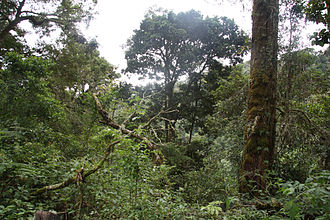
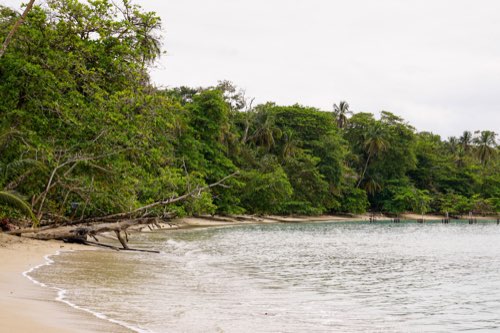
Bastimentos Island National Marine Park is a protected tropical rainforest reserve stretching across Caribbean islands and coral reefs in the Bocas del Toro archipelago of Panama. Dense jungle vegetation, mangrove swamps, and coastal trails define the landscape, setting this marine park apart through its distinct mix of terrestrial and marine ecosystems.
9.275° N 82.250° W
🦜 Nature

582 Species sighted
152,901 Verified sightings From 2019 to 2026
Oct Best month
⭐ Iconic Species
📊 Most Spotted
⭐ Iconic Species
📊 Most Spotted
📊 Most Spotted
📊 Most Spotted
⭐ Iconic Species
📊 Most Spotted
📊 Most Spotted
🌙 Most active after dark
+ 366 more species with insufficient data
Challenges you can complete here


All 3 in 3 days here: ~10%
Recent sightings in Bastimentos Island National Marine Park
LIVEiNaturalistSighting Calendar
How many species you'd see in a day
58Jan
66Feb
63Mar
59Apr
52May
51Jun
46Jul
47Aug
59Sep
67Oct
65Nov
52Dec
Sighting Zones
Warmer areas are where all species together are recorded most often.
-
Changuinola Canal · San San-Pond Sak
Daily sight. prob.vs avg -
STRI Bocas del Toro Field Station
Daily sight. prob.vs avg Mantled Howler Monkey~80%+30%
 Green Iguana~80%+40%
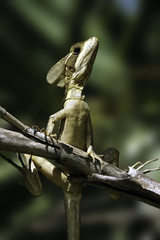 Brown Basilisk~80%+20%
 Common Caiman~70%+20%
 Mourning Gecko~70%+20%
 Brown-throated Sloth~70%≈
 Hoffmann's Two-toed Sloth~60%+10%
 Giant Marine Toad~60%+30%
 Strawberry Poison-dart Frog~60%-30%
 Red-eyed Treefrog~60%+10%
 Sipurio Snouted Treefrog~60%+30%
 White-throated Gecko~50%+10%
-
Tranquilo Bay Eco-Adventure Lodge
Daily sight. prob.vs avg- Brown-throated Sloth~80%+10%
 Central American White-faced Capuchin~70%+30%
- Brown Basilisk~70%+10%
- Red-eyed Treefrog~70%+20%
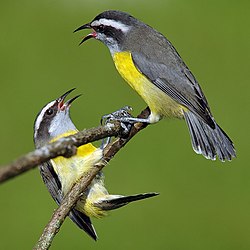 Bananaquit~70%-10%
 Red-lored Parrot~70%-10%
 Rufous-tailed Hummingbird~70%≈
- Strawberry Poison-dart Frog~70%-20%
 Savage's Thin-toed Frog~60%+20%
- Hoffmann's Two-toed Sloth~60%+10%
 Golden-collared Manakin~60%+10%
 Derby's Woolly Opossum~60%+30%
-
Cayo Zapatillas #2
Daily sight. prob.vs avg -
Isla Popa · Isla Venado Canal
Daily sight. prob.vs avg- Strawberry Poison-dart Frog>90%+10%
 Green Climbing Toad~90%+50%
- Brown-throated Sloth~60%-10%
 Black Vulture~60%≈
 Pale-vented Pigeon~60%≈
- Red-lored Parrot~60%-20%
 Turkey Vulture~50%≈
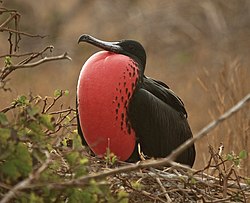 Magnificent Frigatebird~50%-10%
- Derby's Woolly Opossum~50%+20%
 Common Raccoon~50%+30%
- Common Caiman~50%-10%
 Black River Turtle~50%+10%


🏕️ Experience
Essentials
Entrance
Paid
Tourism
Low
Typical stay
2–3
daysTrails
Easy
World Heritage
No
Climate
Temp °C Rain mm
JanFebMarAprMayJunJulAugSepOctNovDec
0.0 Good
Wallace's Line Score
How good is this park for seeing wildlife? 🦜
Biodiversity
GoodHow rich is the wildlife?
3.5
Species by taxon
🦅 Birds 415
🐒 Mammals 186
🦎 Reptiles 52
🐸 Amphibians 37
690 Total Species
828 Global average across 316 parks
27 Threatened 38 Endemic
🔭
Sighting
Very goodHow likely to see animals?
3.8
🎯
Top-12 Avg Probability
66% 📊
Coverage (273 species at ≥5% of 690 in the inventory)
40% 🔀
Taxon variety in top 12 (9 bird, 1 amphibian, 1 mammal, 1 reptile)
56% 🔭
Species per 10 outings (distinct species a visitor would meet over 10 outings — effort held equal across parks)
170 🌟
Iconic-group species (≥15%) (every species from the 19 iconic groups — monkeys, cats, toucans, macaws, sloths, crocodilians… — not just the 4 highlighted above)
15 ⭐
High-prob species (>40%)
28 🏕️
Experience
Very goodHow easy and pleasant is the visit?
4.0
Climate Mixed Medium
Entrance Paid Low
Tourism Medium Medium
Trails Easy High
World Heritage No —
What visitors say
We saw a Panamanian night monkey, a couple Central American woolly opossums, a baby spectacled caiman, a conejo pintado (painted rabbit), banded armadillo, Tome’s Spiny rats, leaf cutter ants, tarantulas, and king toads.
I also encountered red-eared sliders (turtles), basilisk lizards (the fabled “Jesus Christ” lizard), and even a three-toed sloth.
In fact, the property is so expansive that I’m given a golf cart and a map to navigate to my room. (I get lost anyway, but do spot a troop of white-faced capuchin monkeys while making a u-turn.) Down at the beach, coconut palms dangle over the water at just the right angle for Instagram-able selfies.
We stopped at a beach on a neighboring island that was famous for these Strawberry Poison Dart Frogs, endemic just to Isla Bastimentos, and, strangely enough, found in pretty good numbers in the bushes just behind the aptly-named Red Frog Beach.
Before you go
What animals can you see in Bastimentos Island National Marine Park?
690 species
Bastimentos Island National Marine Park has 690 recorded vertebrate species. The ones wildlife watchers report most often on a given day are Strawberry Poison-dart Frog (about 90%), Red-lored Parrot (about 70%), Brown-throated Sloth (about 70%), Bananaquit (about 70%) and Rufous-tailed Hummingbird (about 70%). Among reptiles, the most-seen is Brown Basilisk (about 60%).
When is the best time to visit Bastimentos Island National Marine Park for wildlife?
January–May and November
In those months the park's 12 most-seen species average about 70% on a given day, against about 60% in June–October and December.
Can you see a Strawberry Poison-dart Frog in Bastimentos Island National Marine Park?
Yes
About 90% of wildlife watchers report a Strawberry Poison-dart Frog sighting in Bastimentos Island National Marine Park on a given day, based on 673 verified sightings from GBIF citizen-science data from 2019 to 2026. The best time is January–June, August–September and November (about 90%).
Can you see a Brown-throated Sloth in Bastimentos Island National Marine Park?
Yes
About 70% of wildlife watchers report a Brown-throated Sloth sighting in Bastimentos Island National Marine Park on a given day, based on 212 verified sightings from GBIF citizen-science data from 2019 to 2026. The best time is February–March, June–July and September (about 80%).
Can you see a Mantled Howler Monkey in Bastimentos Island National Marine Park?
Yes
About 50% of wildlife watchers report a Mantled Howler Monkey sighting in Bastimentos Island National Marine Park on a given day, based on 97 verified sightings from GBIF citizen-science data from 2019 to 2026. The best time is October and December–January (about 60%).
Can you see a Central American White-faced Capuchin in Bastimentos Island National Marine Park?
Yes
About 40% of wildlife watchers report a Central American White-faced Capuchin sighting in Bastimentos Island National Marine Park on a given day, based on 69 verified sightings from GBIF citizen-science data from 2019 to 2026. The best time is March, June and October–January (about 50%).
Where in Bastimentos Island National Marine Park is wildlife easiest to see?
Around Changuinola Canal · San San-Pond Sak
The richest sighting zone is around Changuinola Canal · San San-Pond Sak, followed by STRI Bocas del Toro Field Station and Tranquilo Bay Eco-Adventure Lodge, ranked by how many of the park's headline animals visitors can expect to see in each. See the zones on the map.
Is Bastimentos Island National Marine Park good for wildlife watching?
3.6 out of 5
On the Wallace's Line Score, Bastimentos Island National Marine Park rates 3.6/5: 163rd of 316 parks worldwide and 22nd in Central America. 44 of its species are reported by about 40% or more of wildlife watchers on a given day.