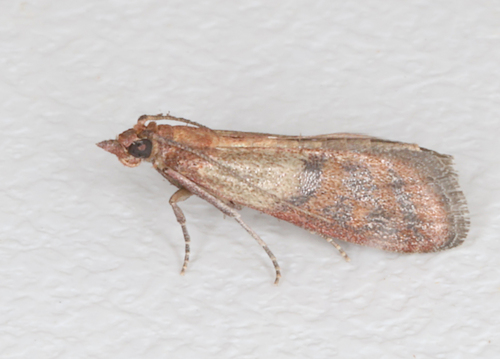
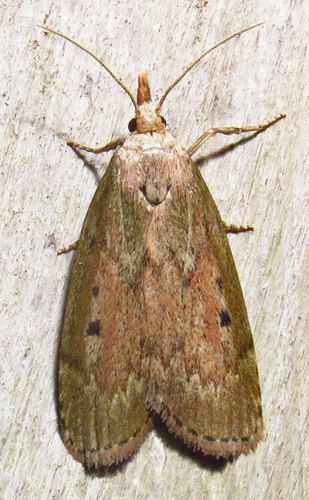
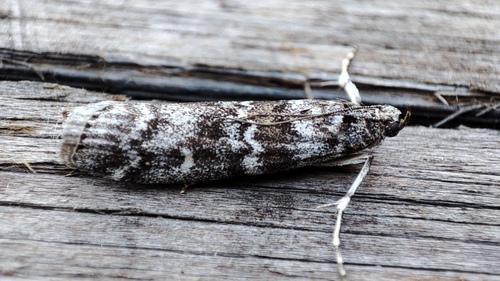
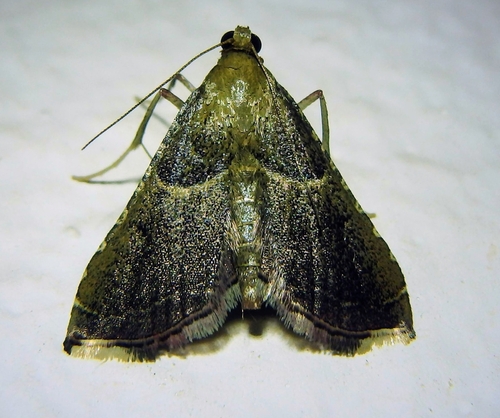
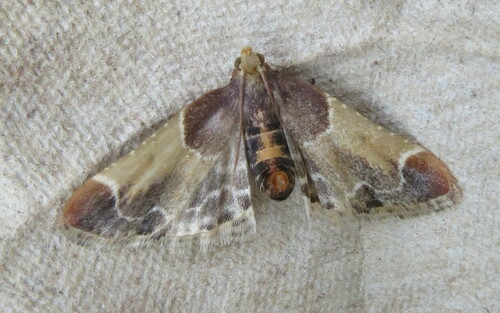
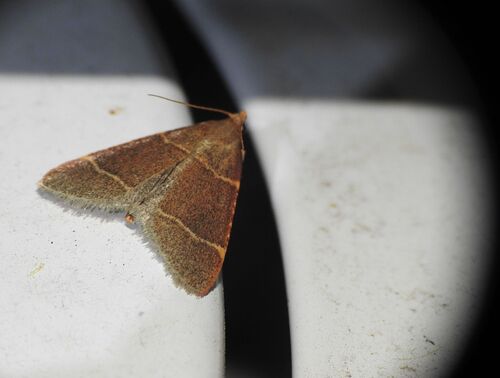
Indian-Meal Moth

Indian-Meal Moth

Plodia interpunctella

Daily sighting probability ~10% · With luck
at Bavarian Forest National Park

In 3 days ~20% in a week ~40%

11 Verified sightings at Bavarian Forest National Park From 2019 to 2026
42 In all 5 parks
February Best month
☀️🌙 Day & Night When it's spotted

About the Indian-Meal Moth

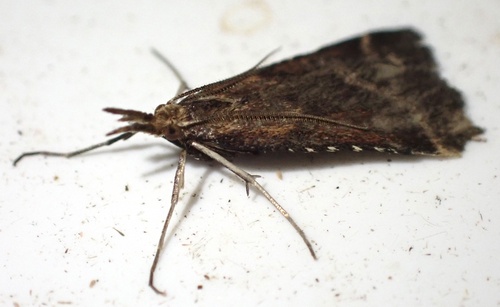
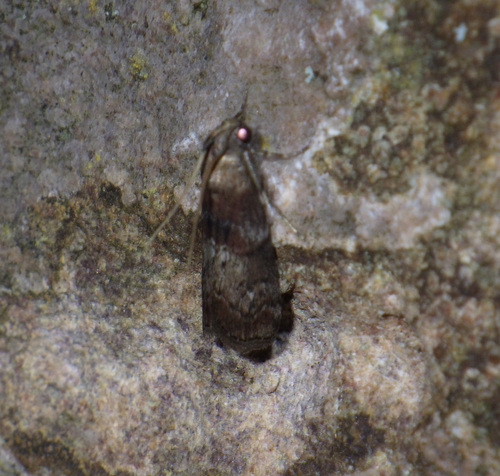
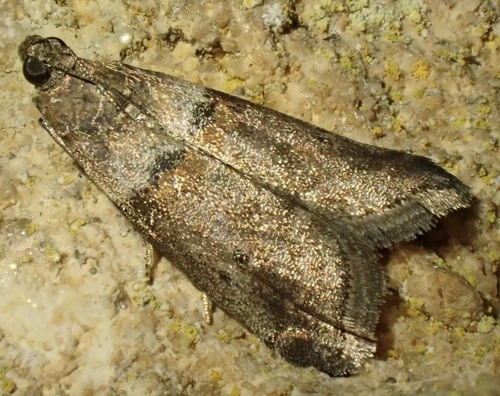
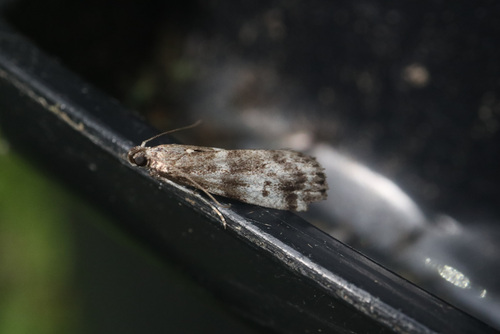
The Indianmeal moth (Plodia interpunctella), also spelled Indian meal moth and Indian-meal moth, is a pyraloid moth of the family Pyralidae. Alternative common names are weevil moth, pantry moth, flour moth or grain moth. The almond moth (Cadra cautella) and the raisin moth (Cadra figulilella) are commonly confused with the Indianmeal moth due to similar food sources and appearance. The species was named for feeding on Indian meal (the cornmeal and maize flour from maize), with Indian in the New World sense; it does not occur natively in India. It is also not to be confused with the Mediterranean flour moth (Ephestia kuehniella), another common pest of stored grains.

P. interpunctella larvae (caterpillars) are commonly known as waxworms. They are not the same species as the waxworms often bred as animal feed. Rather, they are a common grain-feeding pest found around the world, consuming cereals, fruits, and similar products. Substantial efforts have been taken in the United States to control the moth's damage to grain crops.

The larvae of this species have the ability to bite through plastic and cardboard so even sealed containers may be infested. Once found, the moths are difficult to eradicate. The last larval instar is also able to travel long distances before pupating; so a new infestation site may develop far from the last pupation site. In addition to food sources, this species can reproduce and pupate on clothing and any source of clothing must be inspected to prevent reinfestation. Wikipedia →

Global Distribution

Parks Where Found

# Park Country Daily sighting probability
1 Bavarian Forest National Park 🇩🇪 Germany
~10%
2 Tijuca National Park 🇧🇷 Brazil
~10%
3 Saguaro National Park 🇺🇸 United States
<5%
4 Pyrénées National Park 🇫🇷 France
<5%
5 Sierra de Guadarrama National Park 🇪🇸 Spain
<5%

Cities Where Found

# City Country Daily sighting probability
1 Karaj 🇮🇷 Iran
~60%
2 Salvador 🇧🇷 Brazil
~20%
3 Valencia 🇪🇸 Spain
~10%
4 Mendoza 🇦🇷 Argentina
~10%
5 Kyiv 🇺🇦 Ukraine
~10%
6 Goiânia 🇧🇷 Brazil
~10%
7 João Pessoa 🇧🇷 Brazil
~10%
8 Jerusalem 🇮🇱 Israel
~10%
9 Tel Aviv 🇮🇱 Israel
~10%
10 Turin 🇮🇹 Italy
~10%

Before you go

What are the chances of seeing an Indian-Meal Moth in Bavarian Forest National Park?

With luck

About 10% of wildlife watchers report an Indian-Meal Moth sighting in Bavarian Forest National Park on a given day, based on 11 verified sightings from GBIF citizen-science data from 2019 to 2026. It is the 471st most-seen of the 1115 insects we can rate there. Over three days the chance rises to about 20%, and over a week to about 40%, if each day is a fresh chance.

When is the best time to see an Indian-Meal Moth in Bavarian Forest National Park?

February–April and July–September

In those months about 10% of wildlife watchers report an Indian-Meal Moth in Bavarian Forest National Park on a given day, against under 5% in May–June and October–January, the lowest months.

What time of day is best to see an Indian-Meal Moth?

Between 7 and 10 pm

Across all the parks we cover, that three-hour window holds the most Indian-Meal Moth sightings with a recorded time, and about 6 in 10 of them come between 6 pm and 6 am: it is seen both by day and at night.

Is Bavarian Forest National Park the best place to see an Indian-Meal Moth?

Yes

Of the 5 parks where we can rate Indian-Meal Moth sightings, Bavarian Forest National Park has the highest daily chance: about 10%. Next come Tijuca National Park (Brazil, about 10%) and Saguaro National Park (United States, under 5%).

Which relatives of the Indian-Meal Moth live in Bavarian Forest National Park?

Same family: Pyralidae

The closest relatives of the Indian-Meal Moth that you can see in Bavarian Forest National Park (family Pyralidae, Pyralid Snout Moths) are Rosy-Striped Knot-Horn (about 10%), Bee Moth (about 10%) and Dark Pine Knot-Horn (about 10%), with each one's daily chance of a sighting.

Where does the Indian-Meal Moth sighting chance come from?

GBIF citizen-science records

It is estimated from how often the Indian-Meal Moth is recorded against all the insects logged in Bavarian Forest National Park (11 verified sightings from 2019 to 2026), calibrated against known sighting rates. Figures are rounded to the nearest 10% because citizen-science data supports honest approximations, not decimals, and months with records from fewer than five people show "—". How it works.

← Back to Bavarian Forest National Park