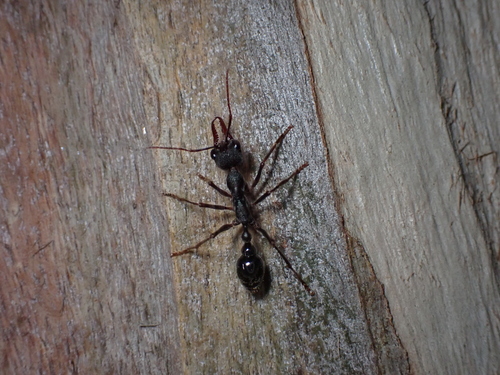
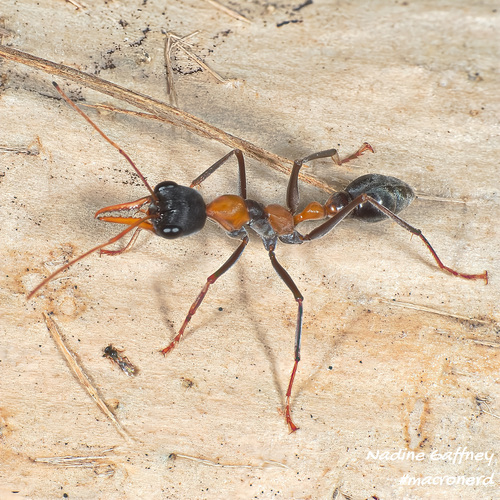
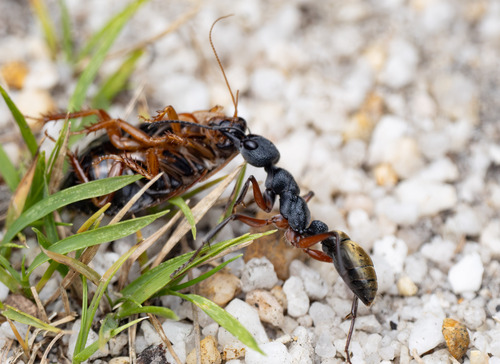
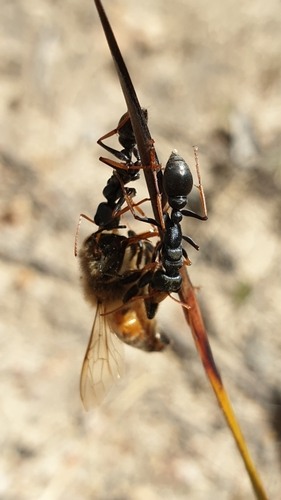
Red Bull Ant

Red Bull Ant

Myrmecia gulosa

Endemic
Daily sighting probability ~10% · With luck
at Blue Mountains National Park

In 3 days ~20% in a week ~40%

24 Verified sightings at Blue Mountains National Park From 2019 to 2026
186 In all 3 parks
August Best month
☀️ Diurnal When it's spotted

About the Red Bull Ant

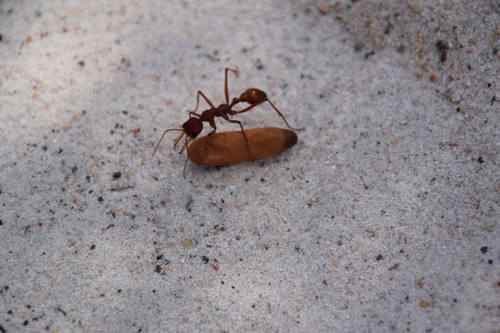
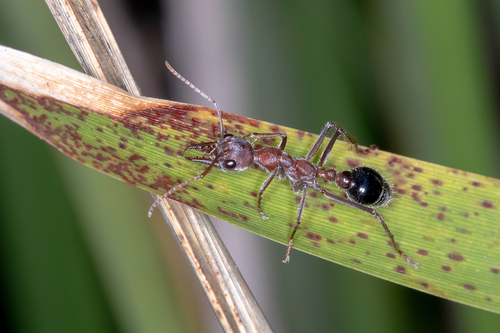
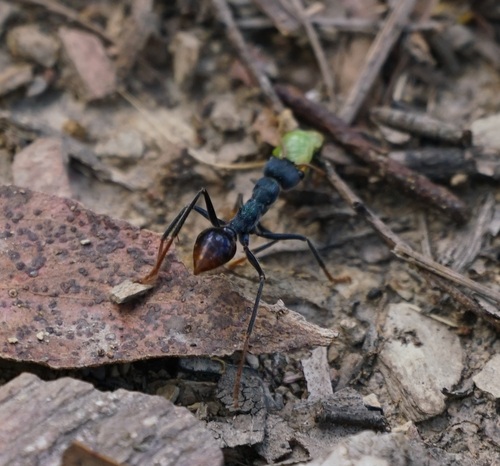
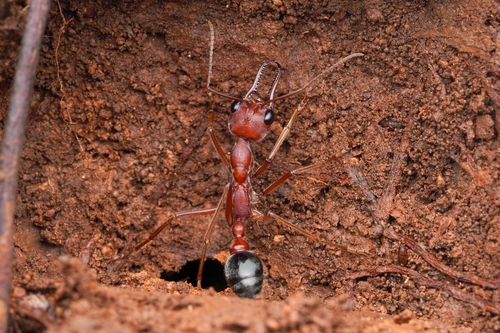
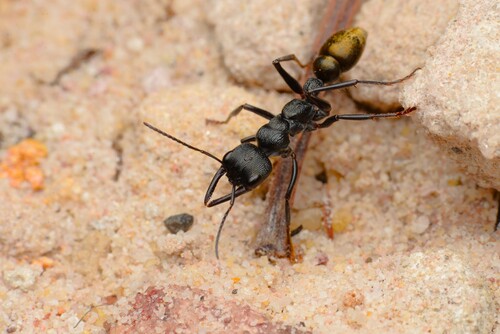
Myrmecia gulosa, the red bull ant, also known as the giant bull ant or Bulldog Ant, is a species of bulldog ant from the genus Myrmecia. It is abundant throughout Eastern Australia. The first Myrmecia gulosa specimen was collected in 1770 by Joseph Banks, making it one of the first Australian insects to be collected and described by a European.

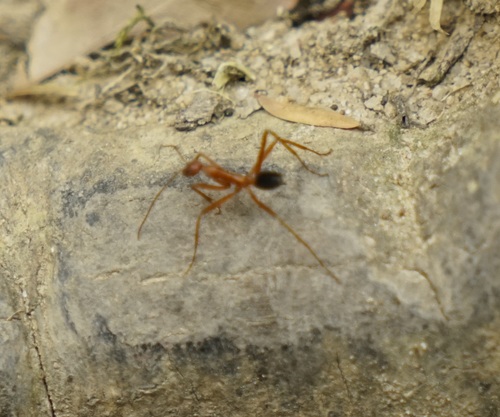
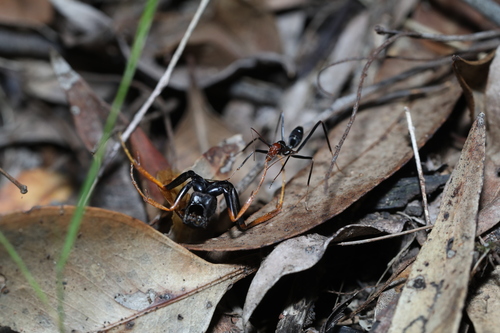
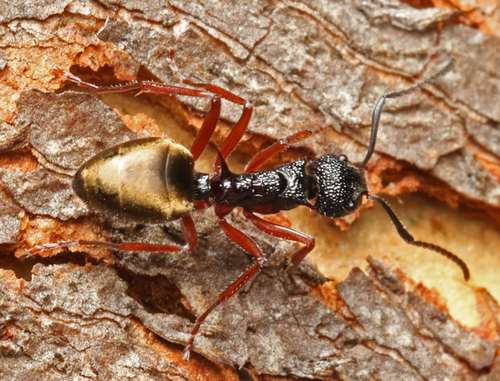
Being one of the larger ant species, adult individuals have been observed to be as long as 15 mm to 30 mm in body length. The head and thorax are typically coloured red-brown; the rear half of the abdomen is black and the mandibles brown-yellow. Adults characteristically possess the long, powerful serrated mandibles and a venom-laced sting that is capable of causing severe pain for a couple of days. Unlike most other ant species, red bull ants lack the ability of chemical senses; however, this is compensated by their extremely keen vision, with which they can spot and respond to intruders up to two metres away.

Myrmecia gulosa ants are abundant in eastern Australia. They can be found in the coastal regions of Queensland and eastern New South Wales. Populations can be found in the... Wikipedia →

Global Distribution

Parks Where Found

# Park Country Daily sighting probability
1 Booderee National Park 🇦🇺 Australia
~40%
2 Royal National Park 🇦🇺 Australia
~40%
3 Blue Mountains National Park 🇦🇺 Australia
~10%

Cities Where Found

# City Country Daily sighting probability
1 Sydney 🇦🇺 Australia
<5%

Before you go

What are the chances of seeing a Red Bull Ant in Blue Mountains National Park?

With luck

About 10% of wildlife watchers report a Red Bull Ant sighting in Blue Mountains National Park on a given day, based on 24 verified sightings from GBIF citizen-science data from 2019 to 2026. It is the 181st most-seen of the 789 insects we can rate there. Over three days the chance rises to about 20%, and over a week to about 40%, if each day is a fresh chance.

When is the best time to see a Red Bull Ant in Blue Mountains National Park?

August to June

In those months about 10% of wildlife watchers report a Red Bull Ant in Blue Mountains National Park on a given day, against under 5% in July, the lowest month.

What time of day is best to see a Red Bull Ant?

Between 10 am and 1 pm

Across all the parks we cover, that three-hour window holds the most Red Bull Ant sightings with a recorded time, and about 9 in 10 of them come between 6 am and 6 pm: it is a daytime animal.

Is Blue Mountains National Park the best place to see a Red Bull Ant?

3rd of 3

Of the 3 parks where we can rate Red Bull Ant sightings, Blue Mountains National Park ranks 3rd at about 10%. The best odds are in Booderee National Park (Australia, about 40%) and Royal National Park (Australia, about 40%).

Which relatives of the Red Bull Ant live in Blue Mountains National Park?

Same genus: Myrmecia

The closest relatives of the Red Bull Ant that you can see in Blue Mountains National Park (genus Myrmecia, Bull Ants) are Australian Red Bull Ant (about 10%), Australian Jumper Ant (about 10%) and Giant Bulldog Ant (about 10%), with each one's daily chance of a sighting.

Where does the Red Bull Ant sighting chance come from?

GBIF citizen-science records

It is estimated from how often the Red Bull Ant is recorded against all the insects logged in Blue Mountains National Park (24 verified sightings from 2019 to 2026), calibrated against known sighting rates. Figures are rounded to the nearest 10% because citizen-science data supports honest approximations, not decimals, and months with records from fewer than five people show "—". How it works.

← Back to Blue Mountains National Park