Jack Jumper Ant

Jack Jumper Ant

Myrmecia pilosula

Daily sighting probability ~10% · With luck
at Blue Mountains National Park

In 3 days ~20% in a week ~40%

17 Verified sightings at Blue Mountains National Park From 2019 to 2026
342 In all 8 parks
February Best month
☀️ Diurnal When it's spotted

About the Jack Jumper Ant

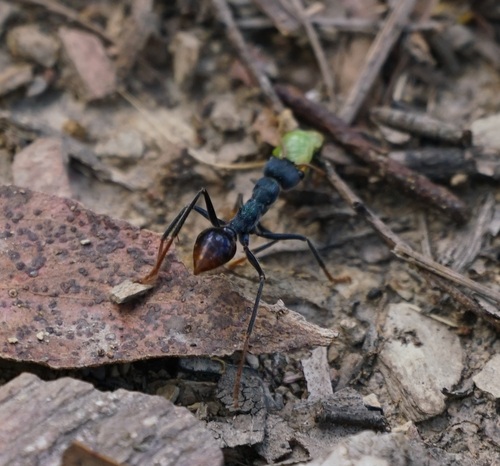
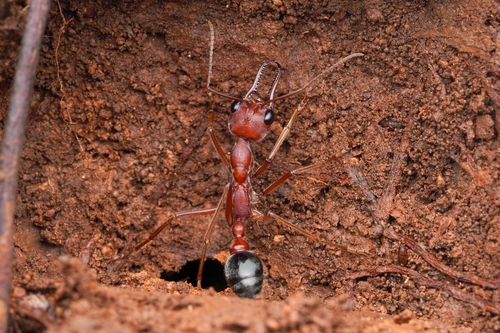
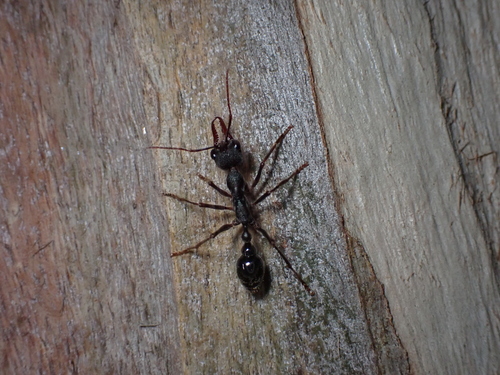
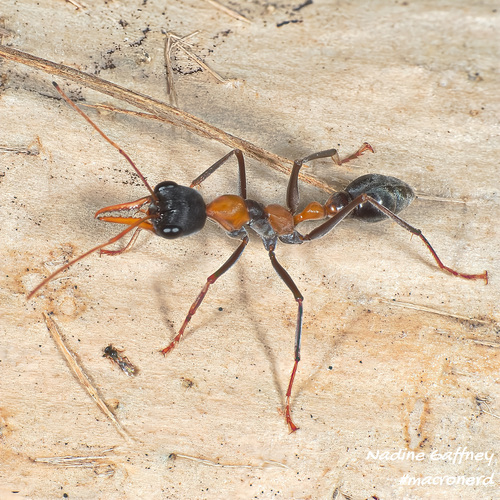
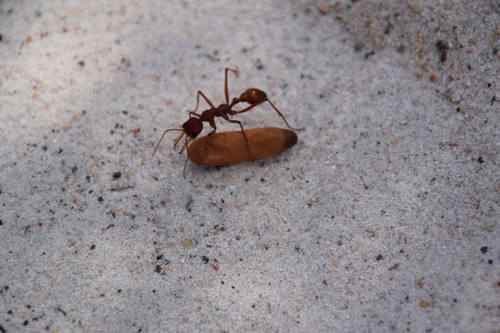
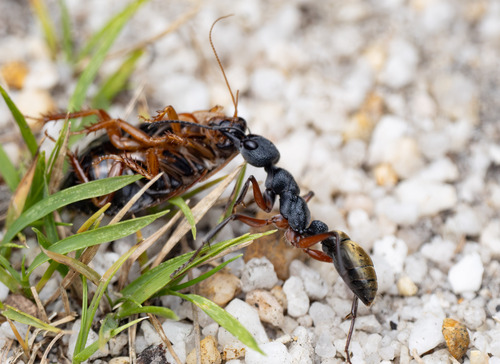
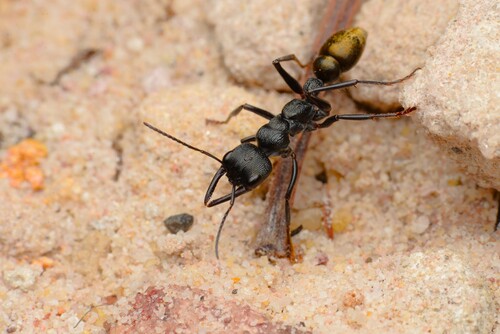
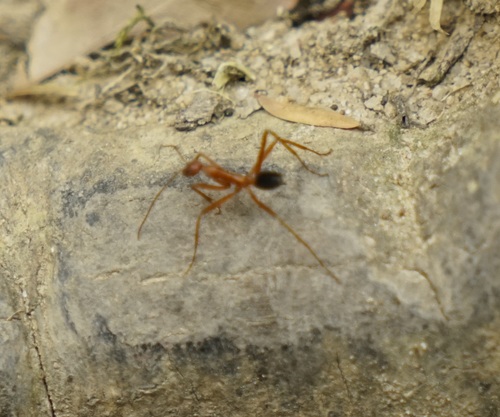
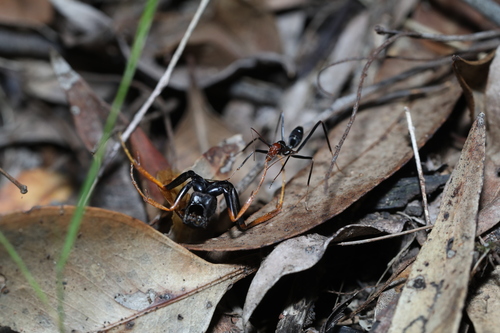
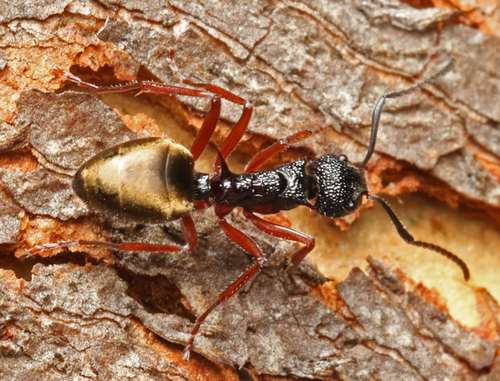
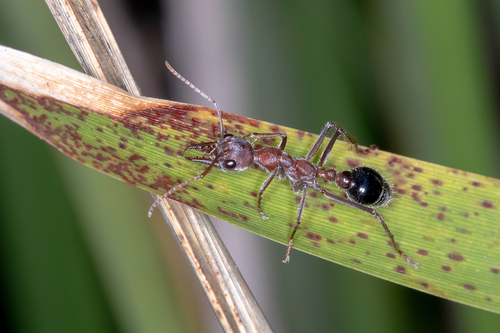
The jack jumper ant (Myrmecia pilosula), also known as the jack jumper, jumping jack, hopper ant, or jumper ant, is a species of venomous ant native to Australia. Most frequently found in Tasmania and southeast mainland Australia, it is a member of the genus Myrmecia, subfamily Myrmeciinae, and was formally described and named by British entomologist Frederick Smith in 1858. This species is known for its ability to jump long distances. These ants are large; workers and males are about the same size: 12 to 14 mm (0.47 to 0.55 in) for workers, and 11 to 12 mm (0.43 to 0.47 in) for males. The queen measures roughly 14 to 16 mm (0.55 to 0.63 in) long and is similar in appearance to workers, whereas males are identifiable by their perceptibly smaller mandibles.

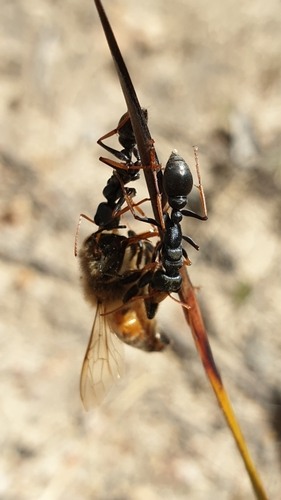
Jack jumper ants are primarily active during the day and live in open habitats, nesting in bushland, woodlands, and dry open forests, surrounded by gravel and sandy soil, which can be found in rural areas and are less common in urban areas. They prey on small insects and use their barbless stingers to kill other insects by injecting venom. Other ants and predatory invertebrates prey on the jack jumper ant. The average worker has a life expectancy of over one year. Workers are gamergates, allowing them to reproduce with drones, whether or not a queen is present in the colony. The ant is a part of the Myrmecia pilosula species complex; this ant and other members of the complex are known to have a single pair of chromosomes.

Their sting generally only causes a mild local reaction in humans; however, it is one of the few ant species that can be dangerous to humans, along with other ants in the genus Myrmecia. The ant venom is particularly immunogenic for an insect venom; the venom causes about 90% of Australian ant allergies. In endemic areas, up to 3% of the human population has developed an allergy to the venom and about half of these allergic people can suffer from anaphylactic reactions (increased heart rate, falling blood pressure, and other symptoms), which can lead to death on rare occasions. Between 1980 and 2000, four deaths were due to anaphylaxis from jack jumper stings, all of them in Tasmania. Individuals prone to severe allergic reactions caused by the ant's sting can be treated with allergen immunotherapy (desensitisation). Wikipedia →
Global Distribution

Parks Where Found

# Park Country Daily sighting probability
1 Flinders Chase 🇦🇺 Australia
~40%
2 Grampians National Park 🇦🇺 Australia
~40%
3 Cradle Mountain-Lake St Clair National Park 🇦🇺 Australia
~40%
4 Wilsons Promontory National Park 🇦🇺 Australia
~30%
5 Great Otway National Park 🇦🇺 Australia
~30%
6 Freycinet National Park 🇦🇺 Australia
~20%
7 Kosciuszko National Park 🇦🇺 Australia
~10%
8 Blue Mountains National Park 🇦🇺 Australia
~10%

Cities Where Found

# City Country Daily sighting probability
1 Hobart 🇦🇺 Australia
~20%
2 Melbourne 🇦🇺 Australia
~10%

Before you go

What are the chances of seeing a Jack Jumper Ant in Blue Mountains National Park?

With luck

About 10% of wildlife watchers report a Jack Jumper Ant sighting in Blue Mountains National Park on a given day, based on 17 verified sightings from GBIF citizen-science data from 2019 to 2026. It is the 272nd most-seen of the 789 insects we can rate there. Over three days the chance rises to about 20%, and over a week to about 40%, if each day is a fresh chance.

When is the best time to see a Jack Jumper Ant in Blue Mountains National Park?

February–April and September–November

In those months about 10% of wildlife watchers report a Jack Jumper Ant in Blue Mountains National Park on a given day, against under 5% in May–August and December–January, the lowest months.

What time of day is best to see a Jack Jumper Ant?

Between noon and 3 pm

Across all the parks we cover, that three-hour window holds the most Jack Jumper Ant sightings with a recorded time, and about 9 in 10 of them come between 6 am and 6 pm: it is a daytime animal.

Which relatives of the Jack Jumper Ant live in Blue Mountains National Park?

Same genus: Myrmecia

The closest relatives of the Jack Jumper Ant that you can see in Blue Mountains National Park (genus Myrmecia, Bull Ants) are Australian Red Bull Ant (about 10%), Australian Jumper Ant (about 10%) and Giant Bulldog Ant (about 10%), with each one's daily chance of a sighting.

Where does the Jack Jumper Ant sighting chance come from?

GBIF citizen-science records

It is estimated from how often the Jack Jumper Ant is recorded against all the insects logged in Blue Mountains National Park (17 verified sightings from 2019 to 2026), calibrated against known sighting rates. Figures are rounded to the nearest 10% because citizen-science data supports honest approximations, not decimals, and months with records from fewer than five people show "—". How it works.

← Back to Blue Mountains National Park