Inch Ant

Inch Ant

Myrmecia pyriformis

Endemic
Daily sighting probability ~10% · With luck
at Blue Mountains National Park

In 3 days ~20% in a week ~50%

28 Verified sightings at Blue Mountains National Park From 2019 to 2026
83 In all 3 parks
April Best month
☀️🌙 Day & Night When it's spotted

About the Inch Ant

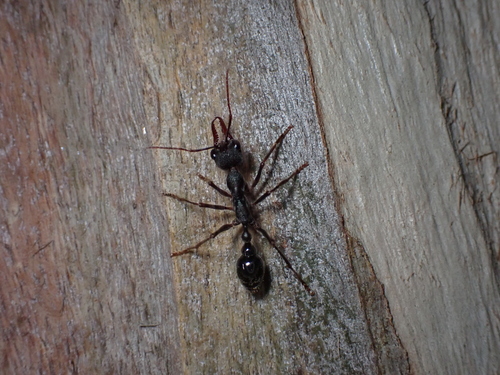
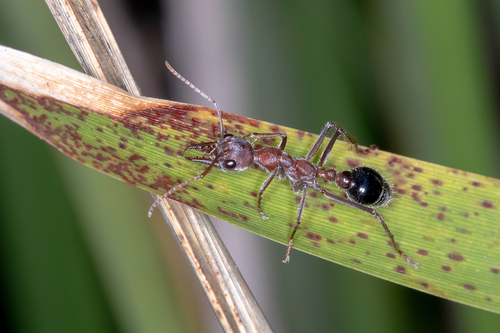
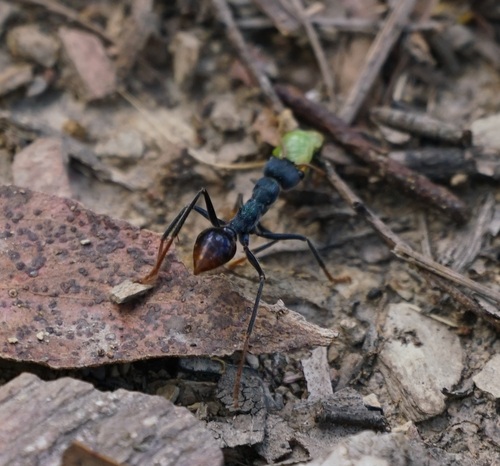
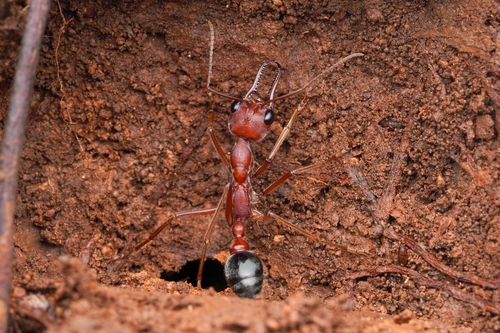
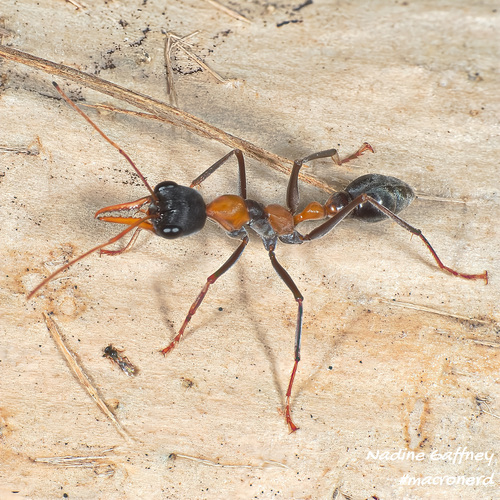
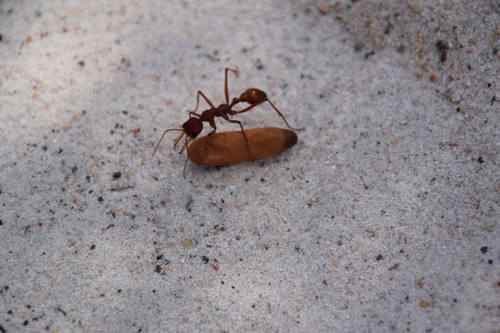
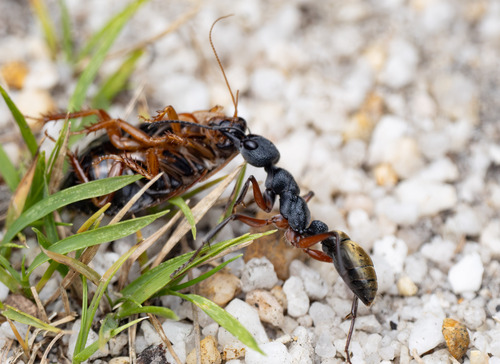
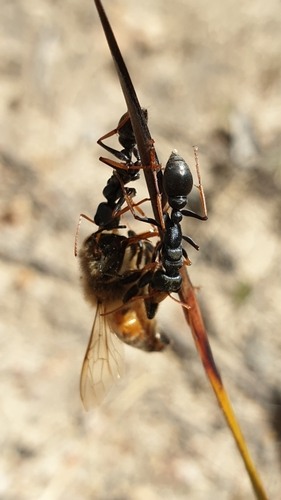
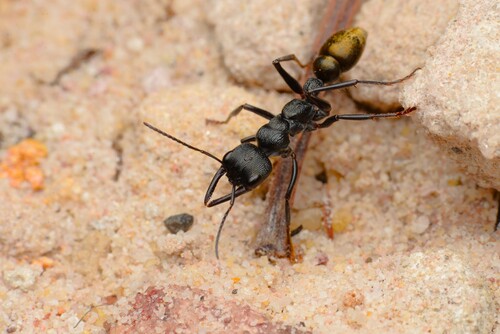
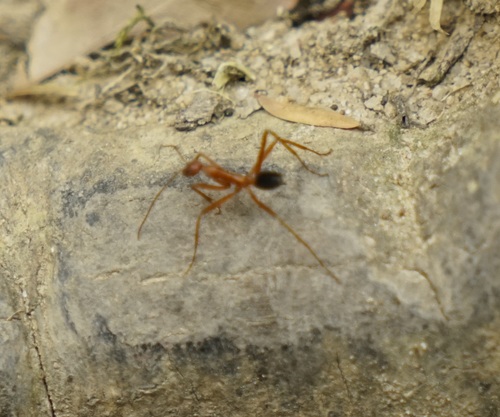
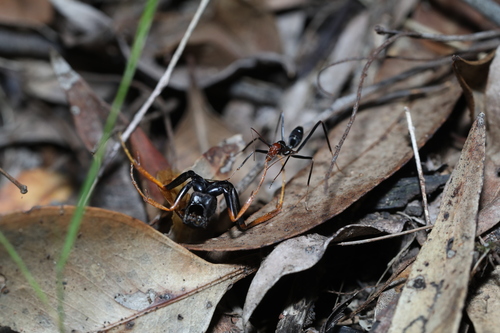
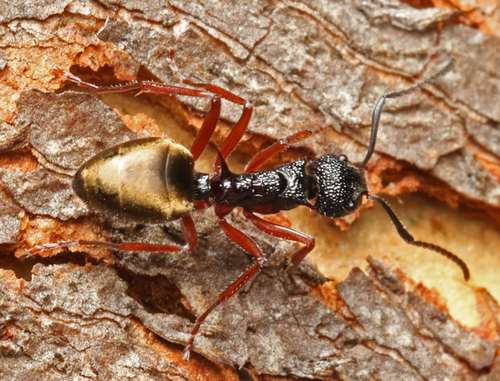
Myrmecia pyriformis, also known as the bull ant or inch ant, is an Australian ant. Myrmecia pyriformis belongs to the genus Myrmecia. It is abundant in many major cities of Australia, but mostly spotted in the eastern states. The species is of a similar appearance to the Myrmecia forficata.

Sizes of the Myrmecia pyriformis range around 14–23 millimetres (0.55–0.91 inches) long. Female workers can grow as large as 26 millimetres (1.0 inch) while males only grow to 18–20 millimetres (0.71–0.79 inches) long. Mandibles and most other features are dark red. Thoraxes are sometimes blackish-brown.

Myrmecia pyriformis is known to survive without a queen. While some species of Myrmecia possess the gamergates, the female workers of Myrmecia pyriformis are also able to reproduce. A colony of the genus was collected in 1998 without a queen, but the colony continued producing workers for the next three years.

Guinness World Records listed Myrmecia pyriformis as the world's most dangerous ant. Myrmecia pyriformis was first described by British entomologist Frederick Smith in his 1858 publication Catalogue of hymenopterous insects in the collection of the British Museum part VI, based... Wikipedia →

Global Distribution

Parks Where Found

# Park Country Daily sighting probability
1 Grampians National Park 🇦🇺 Australia
~20%
2 Great Otway National Park 🇦🇺 Australia
~10%
3 Blue Mountains National Park 🇦🇺 Australia
~10%

Cities Where Found

# City Country Daily sighting probability
1 Melbourne 🇦🇺 Australia
~20%

Before you go

What are the chances of seeing an Inch Ant in Blue Mountains National Park?

With luck

About 10% of wildlife watchers report an Inch Ant sighting in Blue Mountains National Park on a given day, based on 28 verified sightings from GBIF citizen-science data from 2019 to 2026. It is the 144th most-seen of the 789 insects we can rate there. Over three days the chance rises to about 20%, and over a week to about 50%, if each day is a fresh chance.

When is the best time to see an Inch Ant in Blue Mountains National Park?

September to June

In those months about 10% of wildlife watchers report an Inch Ant in Blue Mountains National Park on a given day, against under 5% in July and August, the lowest months.

What time of day is best to see an Inch Ant?

Between 11 am and 2 pm

Across all the parks we cover, that three-hour window holds the most Inch Ant sightings with a recorded time, and about 6 in 10 of them come between 6 am and 6 pm: it is seen both by day and at night.

Is Blue Mountains National Park the best place to see an Inch Ant?

3rd of 3

Of the 3 parks where we can rate Inch Ant sightings, Blue Mountains National Park ranks 3rd at about 10%. The best odds are in Grampians National Park (Australia, about 20%) and Great Otway National Park (Australia, about 10%).

Which relatives of the Inch Ant live in Blue Mountains National Park?

Same genus: Myrmecia

The closest relatives of the Inch Ant that you can see in Blue Mountains National Park (genus Myrmecia, Bull Ants) are Australian Red Bull Ant (about 10%), Australian Jumper Ant (about 10%) and Giant Bulldog Ant (about 10%), with each one's daily chance of a sighting.

Where does the Inch Ant sighting chance come from?

GBIF citizen-science records

It is estimated from how often the Inch Ant is recorded against all the insects logged in Blue Mountains National Park (28 verified sightings from 2019 to 2026), calibrated against known sighting rates. Figures are rounded to the nearest 10% because citizen-science data supports honest approximations, not decimals, and months with records from fewer than five people show "—". How it works.

← Back to Blue Mountains National Park