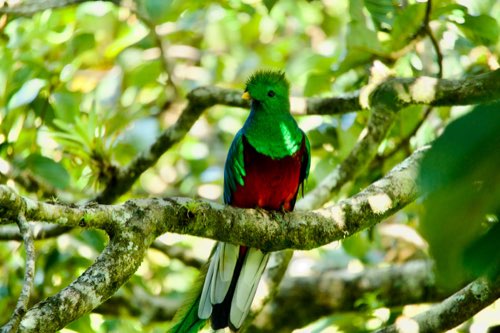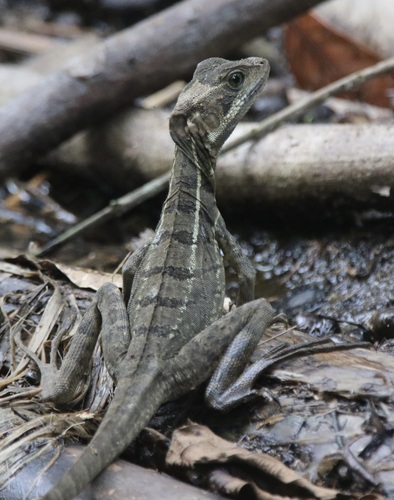


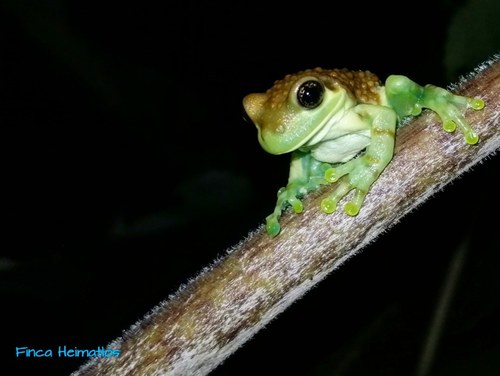


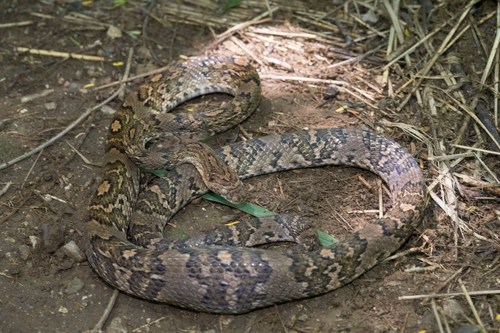




All 4 in 3 days here: ~60%
Cabo Blanco Absolute Nature Reserve
🇨🇷 Costa Rica
Nicoya Peninsula, Costa Rica 749 spp. recorded
Cabo Blanco is Costa Rica's very first protected area, established in 1963 by Swedish conservationist Nils Olof Wessberg. At the southern tip of the Nicoya Peninsula, where dry and wet tropical forests converge, the reserve shelters an extraordinary mix of wildlife — white-faced capuchins, howler monkeys, white-tailed deer, agoutis, coatis, and over 240 bird species including Costa Rica's largest colony of brown boobies.
9.504° N 85.082° W
🦜 Nature

412 Species sighted
28,152 Verified sightings From 2019 to 2026
Jan Best month
⭐ Iconic Species
📊 Most Spotted
⭐ Iconic Species
📊 Most Spotted
⭐ Iconic Species
📊 Most Spotted
📊 Most Spotted
📊 Most Spotted
📊 Most Spotted
🌙 Most active after dark
+ 435 more species with insufficient data
Challenges you can complete here
Recent sightings in Cabo Blanco Absolute Nature Reserve
LIVEiNaturalistSighting Calendar
How many species you'd see in a day
45Jan
40Feb
37Mar
39Apr
37May
35Jun
32Jul
31Aug
31Sep
38Oct
36Nov
41Dec
Sighting Zones
Warmer areas are where all species together are recorded most often.
-
Cerro Atiliano
Daily sight. prob.vs avg Black Spiny-tailed Iguana~90%+10%
 White-nosed Coati~80%+30%
 Central American White-faced Capuchin~80%+10%
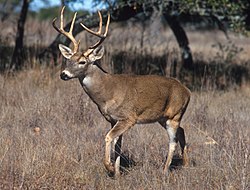 White-tailed Deer~70%+40%
 Rose-bellied Lizard~70%+20%
 Central American Agouti~60%+20%
 Northern Tamandua~60%+40%
 Yellow Toad~60%+40%
 Northern Ghost Bat~40%+30%
 Mantled Howler Monkey~40%-30%
 Copper Anole~40%+20%
 Black-headed Trogon~40%-10%
-
Montezuma
Daily sight. prob.vs avg- Black Spiny-tailed Iguana~90%+10%
- Central American White-faced Capuchin~80%+10%
 Variegated Squirrel~80%+20%
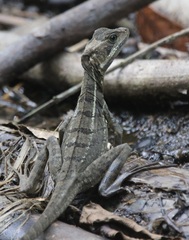 Common Basilisk~80%+40%
- Central American Agouti~70%+30%
 Giant Marine Toad~70%+10%
- Mantled Howler Monkey~60%-10%
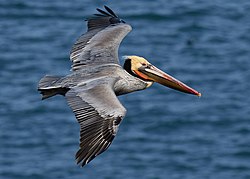 Brown Pelican~40%-10%
- White-nosed Coati~40%-10%
 Green Iguana~40%≈
 Rufous-backed Wren~40%-10%
 White-Throated Magpie-Jay~40%-10%
-
Cabuya Birdwatching
Daily sight. prob.vs avg- Black Spiny-tailed Iguana~90%≈
- Giant Marine Toad~80%+30%
- Mantled Howler Monkey~70%≈
- Central American White-faced Capuchin~70%≈
 White-throated Gecko~60%+20%
- White-tailed Deer~60%+20%
- Variegated Squirrel~60%-10%
- Central American Agouti~50%+10%
 Common House Gecko~40%+20%
- Copper Anole~40%+10%
 Mexican Smilisca~40%+10%
- Rose-bellied Lizard~40%-10%
-
Playa Santa Teresa
Daily sight. prob.vs avg- Black Spiny-tailed Iguana~90%+10%
- Mantled Howler Monkey~80%+10%
- Variegated Squirrel~80%+20%
- Green Iguana~70%+30%
- White-throated Gecko~60%+30%
 Great Kiskadee~50%-10%
- Giant Marine Toad~40%-10%
 Fitzinger's Robber Frog~40%+20%
 Mourning Gecko~40%+10%
- Brown Pelican~40%-10%
- White-Throated Magpie-Jay~40%-10%
 Black Vulture~40%-20%
-
Cóbano
Daily sight. prob.vs avg- Mantled Howler Monkey~90%+20%
- White-nosed Coati~80%+30%
- Black Spiny-tailed Iguana~70%-10%
- Central American White-faced Capuchin~70%≈
- Giant Marine Toad~70%+10%
- Variegated Squirrel~60%≈
 Milk Frog~50%+40%
- Central American Agouti~40%≈
- Northern Ghost Bat~40%+20%
- White-throated Gecko~40%≈
- Common Basilisk~40%-10%
- Copper Anole~40%+10%
🏕️ Experience
Essentials
Entrance
Paid
Tourism
Low
Typical stay
1–2
daysTrails
Moderate
World Heritage
No
Climate
Temp °C Rain mm
JanFebMarAprMayJunJulAugSepOctNovDec
0.0 Good
Wallace's Line Score
How good is this park for seeing wildlife? 🦜
Biodiversity
GoodHow rich is the wildlife?
3.6
Species by taxon
🦅 Birds 472
🐒 Mammals 168
🦎 Reptiles 85
🐸 Amphibians 24
749 Total Species
828 Global average across 316 parks
29 Threatened 59 Endemic
🔭
Sighting
Very goodHow likely to see animals?
3.6
🎯
Top-12 Avg Probability
60% 📊
Coverage (223 species at ≥5% of 749 in the inventory)
30% 🔀
Taxon variety in top 12 (6 bird, 3 mammal, 2 reptile, 1 amphibian)
87% 🔭
Species per 10 outings (distinct species a visitor would meet over 10 outings — effort held equal across parks)
125 🌟
Iconic-group species (≥15%) (every species from the 19 iconic groups — monkeys, cats, toucans, macaws, sloths, crocodilians… — not just the 4 highlighted above)
15 ⭐
High-prob species (>40%)
21 🏕️
Experience
GoodHow easy and pleasant is the visit?
3.3
Climate Mixed Medium
Entrance Paid Low
Tourism High Low
Trails Moderate Medium
World Heritage No —
Before you go
What animals can you see in Cabo Blanco Absolute Nature Reserve?
749 species
Cabo Blanco Absolute Nature Reserve has 749 recorded vertebrate species. The ones wildlife watchers report most often on a given day are Black Spiny-tailed Iguana (about 90%), Mantled Howler Monkey (about 70%), Central American White-faced Capuchin (about 70%), Variegated Squirrel (about 60%) and Great Kiskadee (about 60%). Among amphibians, the most-seen is Giant Marine Toad (about 50%).
When is the best time to visit Cabo Blanco Absolute Nature Reserve for wildlife?
December to July
In those months the park's 12 most-seen species average about 60% on a given day, against about 50% in August to November.
Can you see a Mantled Howler Monkey in Cabo Blanco Absolute Nature Reserve?
Yes
About 70% of wildlife watchers report a Mantled Howler Monkey sighting in Cabo Blanco Absolute Nature Reserve on a given day, based on 115 verified sightings from GBIF citizen-science data from 2019 to 2026. The best time is January–February and July–August (about 80%).
Can you see a Central American White-faced Capuchin in Cabo Blanco Absolute Nature Reserve?
Yes
About 70% of wildlife watchers report a Central American White-faced Capuchin sighting in Cabo Blanco Absolute Nature Reserve on a given day, based on 122 verified sightings from GBIF citizen-science data from 2019 to 2026. The best time is January, July, September and November (about 80%).
Can you see a Magnificent Frigatebird in Cabo Blanco Absolute Nature Reserve?
Yes
About 50% of wildlife watchers report a Magnificent Frigatebird sighting in Cabo Blanco Absolute Nature Reserve on a given day, based on 633 verified sightings from GBIF citizen-science data from 2019 to 2026. The best time is January–February, May, July and November (about 60%).
Can you see a Brown Pelican in Cabo Blanco Absolute Nature Reserve?
Yes
About 50% of wildlife watchers report a Brown Pelican sighting in Cabo Blanco Absolute Nature Reserve on a given day, based on 681 verified sightings from GBIF citizen-science data from 2019 to 2026. The best time is December to April (about 60%).
Where in Cabo Blanco Absolute Nature Reserve is wildlife easiest to see?
Around Cerro Atiliano
The richest sighting zone is around Cerro Atiliano, followed by Montezuma and Cabuya Birdwatching, ranked by how many of the park's headline animals visitors can expect to see in each. See the zones on the map.
Is Cabo Blanco Absolute Nature Reserve good for wildlife watching?
3.6 out of 5
On the Wallace's Line Score, Cabo Blanco Absolute Nature Reserve rates 3.6/5: 170th of 316 parks worldwide and 25th in Central America. 30 of its species are reported by about 40% or more of wildlife watchers on a given day.