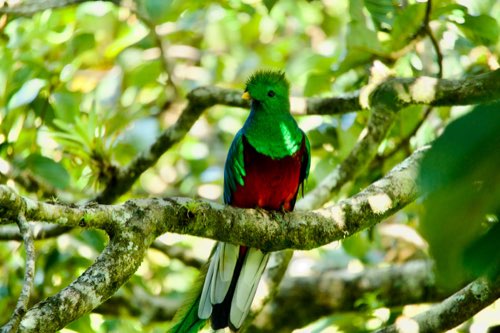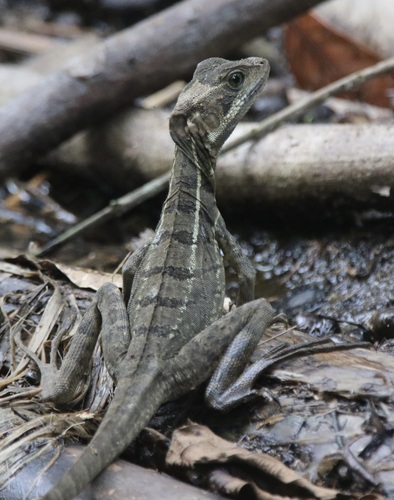


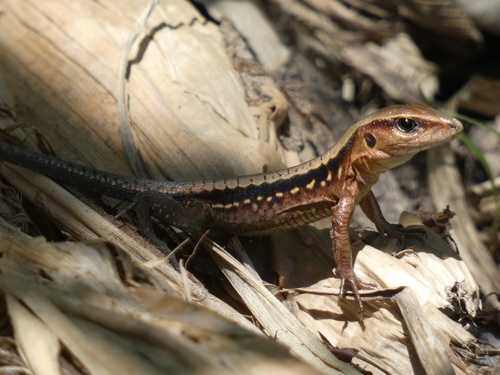


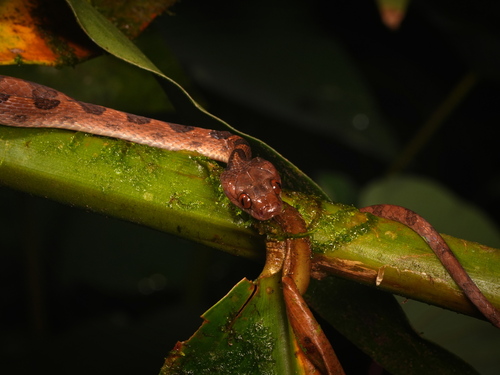


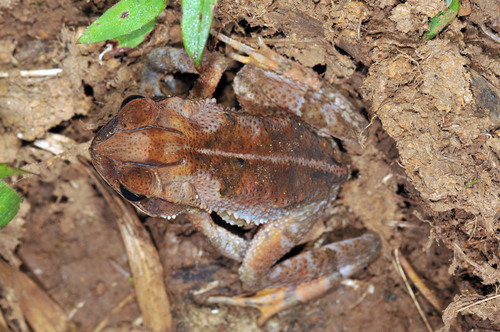


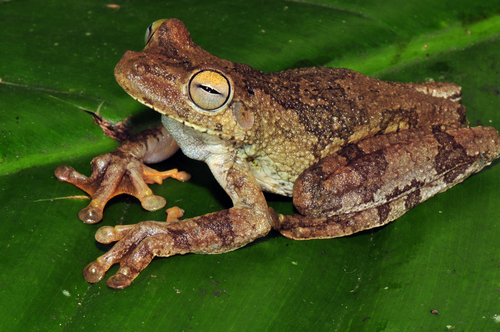

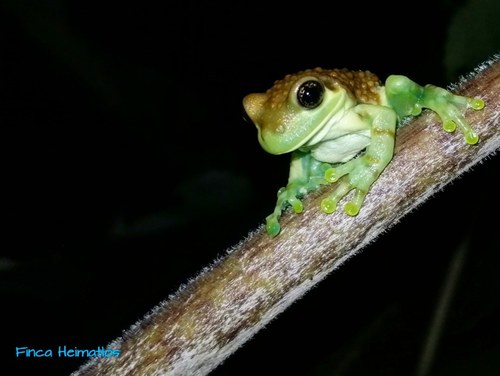


All 4 in 3 days here: ~60%
Carara National Park
🇨🇷 Costa Rica
Central Pacific, Costa Rica 1084 spp. recorded
Carara National Park protects the only transitional zone on Costa Rica's Central Pacific coast, where dry forest meets humid rainforest. With 430+ bird species and the country's largest nesting population of scarlet macaws, it delivers world-class birding just 90 minutes from San José.
9.784° N 84.571° W
🦜 Nature

599 Species sighted
388,402 Verified sightings From 2019 to 2026
Mar Best month
⭐ Iconic Species
📊 Most Spotted
⭐ Iconic Species
📊 Most Spotted
⭐ Iconic Species
📊 Most Spotted
⭐ Iconic Species
📊 Most Spotted
⭐ Iconic Species
📊 Most Spotted
📊 Most Spotted
🌙 Most active after dark
+ 529 more species with insufficient data
Challenges you can complete here

All 4 in 3 days here: ~40%


All 5 in 3 days here: ~10%
Recent sightings in Carara National Park
LIVEiNaturalistSighting Calendar
How many species you'd see in a day
69Jan
70Feb
75Mar
73Apr
62May
71Jun
61Jul
63Aug
64Sep
58Oct
66Nov
65Dec
Sighting Zones
Warmer areas are where all species together are recorded most often.
-
Quebrada Bonita
Daily sight. prob.vs avg Green and Black Dart-poison Frog~90%+10%
 Black Spiny-tailed Iguana~90%+10%
 Delicate Ameiva~80%+20%
 Black-hooded Antshrike~70%+30%
 Chestnut-backed Antbird~70%+30%
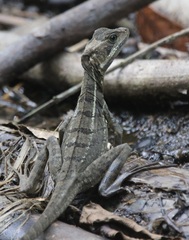 Common Basilisk~70%≈
 Central American Agouti~60%+20%
 Scarlet Macaw~60%-20%
 Central American White-faced Capuchin~60%+10%
 Orange-billed Sparrow~50%+20%
 Lesser Greenlet~50%+10%
 Rufous-backed Wren~50%≈
-
9.785° N, 84.565° W
Daily sight. prob.vs avg- Green and Black Dart-poison Frog~80%+10%
- Black Spiny-tailed Iguana~70%-10%
- Black-hooded Antshrike~70%+30%
- Central American Agouti~70%+20%
- Scarlet Macaw~70%-20%
- Delicate Ameiva~60%+10%
- Chestnut-backed Antbird~60%+20%
- Central American White-faced Capuchin~60%+10%
- Common Basilisk~60%-10%
 Black-mandibled Toucan~60%+20%
 Black Vulture~60%-10%
 Clay-colored Thrush~50%≈
-
Road from Villa Lapas to Pura Vida Waterfall Gardens
Daily sight. prob.vs avg- Black Spiny-tailed Iguana~80%≈
- Green and Black Dart-poison Frog~70%≈
- Common Basilisk~60%-10%
 Giant Marine Toad~60%+20%
 Turkey Vulture~50%-10%
 White-nosed Coati~50%+20%
- Black-mandibled Toucan~50%+10%
- Scarlet Macaw~50%-30%
- Black Vulture~50%-20%
 Fitzinger's Robber Frog~50%+30%
 Harlequin Treefrog~40%+10%
- Delicate Ameiva~40%-10%
-
Puente Río Tárcoles
Daily sight. prob.vs avg- Black Spiny-tailed Iguana~80%≈
 Green Iguana~70%+20%
- Common Basilisk~70%-10%
 Variegated Squirrel~70%+30%
- Central American White-faced Capuchin~70%+10%
- Scarlet Macaw~60%-30%
 Mantled Howler Monkey~40%+10%
 Hoffmann's Woodpecker~40%-10%
- Rufous-backed Wren~40%-10%
 Great Kiskadee~40%-20%
- Giant Marine Toad~40%≈
 Common House Gecko~40%+20%
🏕️ Experience
Essentials
Entrance
Paid
Tourism
Medium
Typical stay
1–2
daysTrails
Hard
World Heritage
No
Climate
Temp °C Rain mm
JanFebMarAprMayJunJulAugSepOctNovDec
0.0 Excellent
Wallace's Line Score
How good is this park for seeing wildlife? 🦜
Biodiversity
Very goodHow rich is the wildlife?
4.2
Species by taxon
🦅 Birds 709
🐒 Mammals 209
🦎 Reptiles 109
🐸 Amphibians 57
1084 Total Species
828 Global average across 316 parks
35 Threatened 79 Endemic
🔭
Sighting
Very goodHow likely to see animals?
3.9
🎯
Top-12 Avg Probability
64% 📊
Coverage (301 species at ≥5% of 1084 in the inventory)
28% 🔀
Taxon variety in top 12 (7 bird, 3 reptile, 1 amphibian, 1 mammal)
78% 🔭
Species per 10 outings (distinct species a visitor would meet over 10 outings — effort held equal across parks)
209 🌟
Iconic-group species (≥15%) (every species from the 19 iconic groups — monkeys, cats, toucans, macaws, sloths, crocodilians… — not just the 4 highlighted above)
17 ⭐
High-prob species (>40%)
26 🏕️
Experience
GoodHow easy and pleasant is the visit?
2.9
Climate Mixed Medium
Entrance Paid Low
Tourism High Low
Trails Hard Low
World Heritage No —
What visitors say
After checking in we did a little birding around the gardens and found a Bare-throated Tiger-Heron nest with two large chicks in a large Rain Tree over the rooms, Scarlet-rumped Tanager, Chestnut-sided Warbler, Gray-capped Flycatcher and great scope views of a Yellow-throated Toucan.
I earlier did a post on the Helmeted Iguana and one on the Stink Bug, two of the 10 “Other Wildlife” seen at Carara this time.
Grey-headed Tanager taken by Kevin Jones an interesting Trogon, a possible hybrid (Black-headed and Violaceous) It took us a while to leave the car park because we watched a few species in the trees, Jason found a Violacious Trogon and what looked like a hybrid individual, a mix of Violaceous and Black-headed.
A morning spent at Carara National Park was on our agenda, and in no time at all we were there.
Before you go
What animals can you see in Carara National Park?
1,084 species
Carara National Park has 1,084 recorded vertebrate species. The ones wildlife watchers report most often on a given day are Scarlet Macaw (about 80%), Black Spiny-tailed Iguana (about 80%), Green and Black Dart-poison Frog (about 80%), Common Basilisk (about 70%) and Black Vulture (about 70%). Among mammals, the most-seen is Central American White-faced Capuchin (about 50%).
When is the best time to visit Carara National Park for wildlife?
March and April
In those months the park's 12 most-seen species average about 70% on a given day, against about 60% in May to February. Those are among Carara National Park's driest months, with about 120 mm of rain a month against 730 mm in October.
Can you see a Scarlet Macaw in Carara National Park?
Yes
About 80% of wildlife watchers report a Scarlet Macaw sighting in Carara National Park on a given day, based on 9,794 verified sightings from GBIF citizen-science data from 2019 to 2026. The best time is January to April (about 90%).
Can you see an American Crocodile in Carara National Park?
Yes
About 30% of wildlife watchers report an American Crocodile sighting in Carara National Park on a given day, based on 55 verified sightings from GBIF citizen-science data from 2019 to 2026. The best time is May and September (about 40%).
Can you see a Central American White-faced Capuchin in Carara National Park?
Yes
About 50% of wildlife watchers report a Central American White-faced Capuchin sighting in Carara National Park on a given day, based on 205 verified sightings from GBIF citizen-science data from 2019 to 2026. The best time is April, August and November–January (about 60%).
Can you see a Green and Black Dart-poison Frog in Carara National Park?
Yes
About 80% of wildlife watchers report a Green and Black Dart-poison Frog sighting in Carara National Park on a given day, based on 450 verified sightings from GBIF citizen-science data from 2019 to 2026. The best time is July and August (about 90%).
Where in Carara National Park is wildlife easiest to see?
Around Quebrada Bonita
The richest sighting zone is around Quebrada Bonita, followed by Road from Villa Lapas to Pura Vida Waterfall Gardens, ranked by how many of the park's headline animals visitors can expect to see in each. See the zones on the map.
Is Carara National Park good for wildlife watching?
4.0 out of 5
On the Wallace's Line Score, Carara National Park rates 4.0/5: 116th of 316 parks worldwide and 15th in Central America. 46 of its species are reported by about 40% or more of wildlife watchers on a given day.