


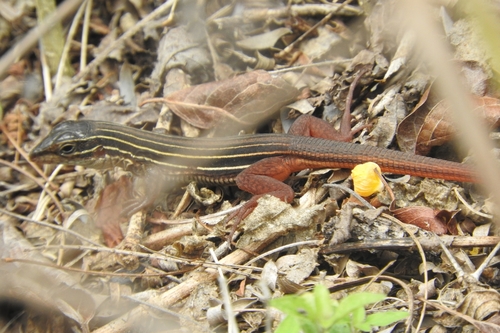


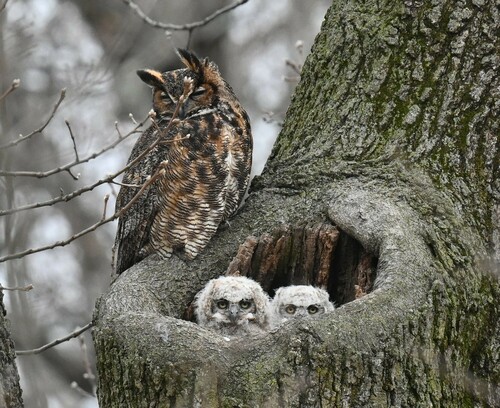




All 5 in 3 days here: ~10%
Celestún Biosphere Reserve
🇲🇽 Mexico
Yucatán, Mexico 685 spp. recorded
Celestún is an estuary where fresh water meets the Gulf under a roof of mangrove, and the whole visit happens from a boat. Caribbean flamingos feed in the shallows on about half of all trips, and Morelet's crocodiles are seen on nearly eight in ten.
20.623° N 90.416° W
🦜 Nature

398 Species sighted
70,515 Verified sightings From 2019 to 2026
Jan Best month
⭐ Iconic Species
📊 Most Spotted
⭐ Iconic Species
📊 Most Spotted
⭐ Iconic Species
📊 Most Spotted
📊 Most Spotted
📊 Most Spotted
+ 362 more species with insufficient data
Challenges you can complete here
Recent sightings in Celestún Biosphere Reserve
LIVEiNaturalistSighting Calendar
How many species you'd see in a day
47Jan
36Feb
35Mar
39Apr
41May
42Jun
34Jul
37Aug
40Sep
44Oct
42Nov
35Dec
Sighting Zones
Warmer areas are where all species together are recorded most often.
-
Reserva de la Biosfera Ría Celestún · Ría Celestún
Daily sight. prob.vs avg Belize Crocodile~90%+40%
 American Flamingo~80%+10%
 Great Egret~80%+20%
 Double-crested Cormorant~70%+10%
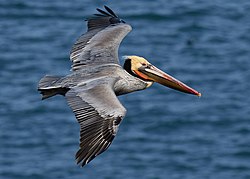 Brown Pelican~70%+10%
 Snowy Egret~70%+10%
 Common Raccoon~70%-10%
 Black Spiny-tailed Iguana~70%+20%
 Laughing Gull~70%≈
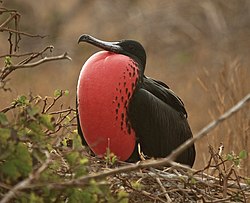 Magnificent Frigatebird~60%-10%
 Central American Boa~50%+30%
 Cozumel Spiny Lizard~50%+30%
-
Reserva de la Biosfera Ría Celestún · Carretera 12
Daily sight. prob.vs avg- Black Spiny-tailed Iguana~80%+30%
- Cozumel Spiny Lizard~80%+60%
- Belize Crocodile~80%+30%
 Tropical Mockingbird~70%≈
- Common Raccoon~60%-20%
- Brown Pelican~50%-10%
- American Flamingo~50%-20%
 Olive-throated Parakeet~50%-10%
 Mangrove Vireo~40%-20%
 Yellow Warbler~40%-10%
- Magnificent Frigatebird~40%-30%
- Double-crested Cormorant~40%-20%
-
Centro de Información Turística de Celestún
Daily sight. prob.vs avg- Common Raccoon>90%+20%
- Black Spiny-tailed Iguana~80%+30%
- Magnificent Frigatebird~50%-20%
- Laughing Gull~50%-20%
- American Flamingo~50%-20%
- Brown Pelican~50%-20%
- Tropical Mockingbird~40%-20%
- Double-crested Cormorant~40%-20%
 Great-tailed Grackle~40%-10%
 Common House Gecko~40%+20%
- Yellow Warbler~40%-20%
- Snowy Egret~40%-20%
-
Carey Centro Ecoturistico
Daily sight. prob.vs avg -
20.548° N, 90.436° W
🏕️ Experience
Essentials
Entrance
Paid
Tourism
Low
Typical stay
1
dayTrails
Easy
World Heritage
No
Climate
Temp °C Rain mm
JanFebMarAprMayJunJulAugSepOctNovDec
0.0 Good
Wallace's Line Score
How good is this park for seeing wildlife? 🦜
Biodiversity
Very goodHow rich is the wildlife?
4.3
Species by taxon
🦅 Birds 456
🐒 Mammals 125
🦎 Reptiles 90
🐸 Amphibians 14
685 Total Species
828 Global average across 316 parks
24 Threatened 75 Endemic
🔭
Sighting
Very goodHow likely to see animals?
3.3
🎯
Top-12 Avg Probability
64% 📊
Coverage (196 species at ≥5% of 685 in the inventory)
29% 🔀
Taxon variety in top 12 (11 bird, 1 mammal)
20% 🔭
Species per 10 outings (distinct species a visitor would meet over 10 outings — effort held equal across parks)
136 🌟
Iconic-group species (≥15%) (every species from the 19 iconic groups — monkeys, cats, toucans, macaws, sloths, crocodilians… — not just the 4 highlighted above)
6 ⭐
High-prob species (>40%)
33 🏕️
Experience
ExcellentHow easy and pleasant is the visit?
4.4
Climate Pleasant High
Entrance Paid Low
Tourism Medium Medium
Trails Easy High
World Heritage No —
What visitors say
And, there were spoonbills (which I had never previously managed to spot).
We have been to see flamingos in a number of places but this is the closest we have ever gotten in the wild.
We also walked a boardwalk to a freshwater spring-fed lagoon and saw a baby crocodile, lots of pelicans, great & snowy egrets, wood storks, and a roseate spoonbill.
Our route through the mangroves emptied out into the wide Ria Celestun, and there they were off in the distance.
Before you go
What animals can you see in Celestún Biosphere Reserve?
685 species
Celestún Biosphere Reserve has 685 recorded vertebrate species. The ones wildlife watchers report most often on a given day are Common Raccoon (about 80%), Magnificent Frigatebird (about 70%), American Flamingo (about 70%), Laughing Gull (about 70%) and Tropical Mockingbird (about 70%). Among reptiles, the most-seen is Black Spiny-tailed Iguana (about 50%).
When is the best time to visit Celestún Biosphere Reserve for wildlife?
January, June and August–October
In those months the park's 12 most-seen species average about 70% on a given day, against about 50% in April. Those are among Celestún Biosphere Reserve's wettest months, with about 95 mm of rain a month against 10 mm in February.
Can you see an American Flamingo in Celestún Biosphere Reserve?
Yes
About 70% of wildlife watchers report an American Flamingo sighting in Celestún Biosphere Reserve on a given day, based on 1,855 verified sightings from GBIF citizen-science data from 2019 to 2026. The best time is September to February (about 80%).
Can you see a Magnificent Frigatebird in Celestún Biosphere Reserve?
Yes
About 70% of wildlife watchers report a Magnificent Frigatebird sighting in Celestún Biosphere Reserve on a given day, based on 1,643 verified sightings from GBIF citizen-science data from 2019 to 2026. The best time is January and June (about 90%).
Can you see a Belize Crocodile in Celestún Biosphere Reserve?
Yes
About 50% of wildlife watchers report a Belize Crocodile sighting in Celestún Biosphere Reserve on a given day, based on 138 verified sightings from GBIF citizen-science data from 2019 to 2026. The best time is September (about 70%).
Can you see a Black Spiny-tailed Iguana in Celestún Biosphere Reserve?
Yes
About 50% of wildlife watchers report a Black Spiny-tailed Iguana sighting in Celestún Biosphere Reserve on a given day, based on 79 verified sightings from GBIF citizen-science data from 2019 to 2026. The best time is July (about 80%).
Where in Celestún Biosphere Reserve is wildlife easiest to see?
Around Reserva de la Biosfera Ría Celestún · Ría Celestún
The richest sighting zone is around Reserva de la Biosfera Ría Celestún · Ría Celestún, followed by Reserva de la Biosfera Ría Celestún · Carretera 12 and Centro de Información Turística de Celestún, ranked by how many of the park's headline animals visitors can expect to see in each. See the zones on the map.
Is Celestún Biosphere Reserve good for wildlife watching?
3.5 out of 5
On the Wallace's Line Score, Celestún Biosphere Reserve rates 3.5/5: 183rd of 316 parks worldwide and 21st in North America. 43 of its species are reported by about 40% or more of wildlife watchers on a given day.


