Zoo
Kansas City Zoo
🇺🇸 United States
AZA
🦒 Zoo or wildlife park, United States 198 spp. present
The Kansas City Zoo & Aquarium is a 202-acre (82 ha) zoo founded in 1909 and is located in Swope Park at 6800 Zoo Drive, Kansas City, Missouri, in the United States. The zoo has a Friends of the Zoo program to help promote the work of the zoo which sees over one million visitors a year. The zoo is home to nearly 1,700 animals and the aquarium has around 8,000 animals. The zoo is an accredited member of the Association of Zoos and Aquariums (AZA). Wikipedia (CC BY-SA)
39.007° N 94.527° W
🎟️ Visit

Essentials
Entrance
—
Tourism
High
Species present
198
speciesOpened
1909
Size
Large
Accreditations
- Association of Zoos and AquariumsNorth American standards for animal welfare and conservation
Visit
Getting there
- Address
- 6800 Zoo Drive, Kansas City, MO 64132
- Phone
- +1-816-595-1234
🦒 Animals in captivity


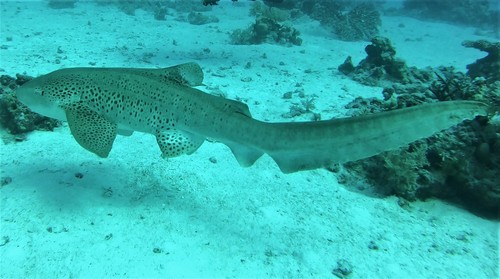
 Sand Tiger Shark
Carcharias taurus




Before you go
Where is Kansas City Zoo?
United States
Kansas City Zoo is a zoo or wildlife park in the United States, at 6800 Zoo Drive, Kansas City, MO 64132. Its coordinates are 39.007° N, 94.527° W. The nearest national park in our atlas is Badlands National Park, about 846 km away.
What animals can you see at Kansas City Zoo?
198 species
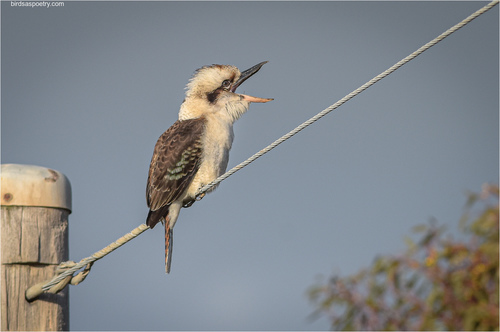
Citizen-science photos record 198 species at Kansas City Zoo, including Straw-necked Ibis, Sand Tiger Shark, Southern Stingray, Laughing Kookaburra and King Penguin. Those with a page of their own in our atlas show the odds of seeing them in the wild.
Where can you see the animals of Kansas City Zoo in the wild?
Straw-necked Ibis: Kakadu National Park
Some of the animals photographed at Kansas City Zoo also live in the parks and cities we cover: Straw-necked Ibis (about 50% of wildlife watchers report it on a given day in Kakadu National Park), Southern Stingray (about 80% of wildlife watchers report it on a given day in Arrecifes de Cozumel National Park) and Laughing Kookaburra (about 70% of wildlife watchers report it on a given day in Royal National Park).
Is Kansas City Zoo accredited?
AZA
Open registers list Kansas City Zoo with AZA. These marks come from Wikidata, and they are shown here as a fact, not as an endorsement.
When did Kansas City Zoo open and how big is it?
Opened 1909, 92 ha
Kansas City Zoo, a zoo or wildlife park in the United States, opened in 1909 and covers about 92 ha, according to Wikidata and OpenStreetMap. Today 198 species are photographed there.
Nearest Zoos & Centres

Nearest Parks


Nearest Cities


Sources: © OpenStreetMap contributors (ODbL) · Wikidata (CC0) · iNaturalist observers · Wikipedia (CC BY-SA)