Aquarium
Rodadero Sea Aquarium and Museum
🇨🇴 Colombia
🐠 Aquarium, Colombia 32 spp. present
The Rodadero Sea Aquarium and Museum (Spanish: Acuario y Museo del Mar del Rodadero) is a public aquarium and maritime museum located in the Inca Inca Cove off the Rodadero beach in Santa Marta, Colombia. It was opened in 1965 by Captain Francisco Ospina Navia. The aquarium is part of the National Network of Museums of Colombia and part of ACOPAZOA, the Colombian branch of the World Association of Zoos and Aquariums. Accessible mainly by motorboat, the aquarium has 13 pools with direct connection to the Caribbean Sea, and 15 glass aquaria that contain over 805 animals that include sharks, sea turtles, dolphins, sea lions, crustaceans, fishes and seabirds, 98% of which are native to the area. Wikipedia (CC BY-SA)
11.217° N 74.237° W
🎟️ Visit

Essentials
Entrance
—
Tourism
High
Species present
32
speciesOpened
—
Size
Small
Visit
Getting there
- Phone
- +57 317 3641113
- Access
- Not wheelchair accessible
What visitors say
🐠 Animals in captivity




Blacknose Shark
Carcharhinus acronotus
Before you go
Where is Rodadero Sea Aquarium and Museum?
Colombia
Rodadero Sea Aquarium and Museum is an aquarium in Colombia. Its coordinates are 11.217° N, 74.237° W. The nearest national park in our atlas is Tayrona National Natural Park, about 24 km away.
What animals can you see at Rodadero Sea Aquarium and Museum?
32 species
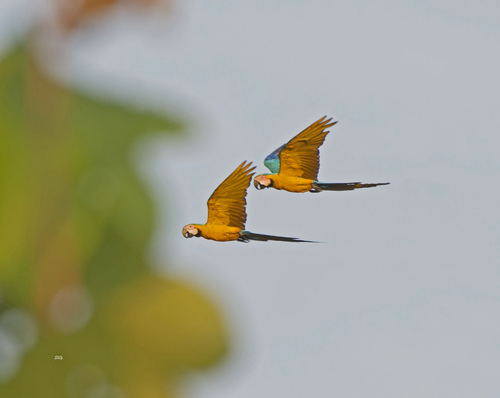
Citizen-science photos record 32 species at Rodadero Sea Aquarium and Museum, including Bottlenose Dolphin, Nurse Shark, Loggerhead Sea Turtle, Hawksbill and Blue-and-yellow Macaw. Those with a page of their own in our atlas show the odds of seeing them in the wild.
Where can you see the animals of Rodadero Sea Aquarium and Museum in the wild?
Bottlenose Dolphin: Bahía de Loreto National Park
Some of the animals photographed at Rodadero Sea Aquarium and Museum also live in the parks and cities we cover: Bottlenose Dolphin (about 40% of wildlife watchers report it on a given day in Bahía de Loreto National Park), Nurse Shark (about 60% of wildlife watchers report it on a given day in Arrecifes de Cozumel National Park) and Loggerhead Sea Turtle (about 20% of wildlife watchers report it on a given day in Ningaloo Marine Park).
When did Rodadero Sea Aquarium and Museum open and how big is it?
2.0 ha
Rodadero Sea Aquarium and Museum, an aquarium in Colombia, covers about 2.0 ha, according to Wikidata and OpenStreetMap. Today 32 species are photographed there.
Nearest Zoos & Centres


Nearest Parks


Nearest Cities


Sources: © OpenStreetMap contributors (ODbL) · Wikidata (CC0) · iNaturalist observers · Wikipedia (CC BY-SA)