Garden Pebble

Garden Pebble

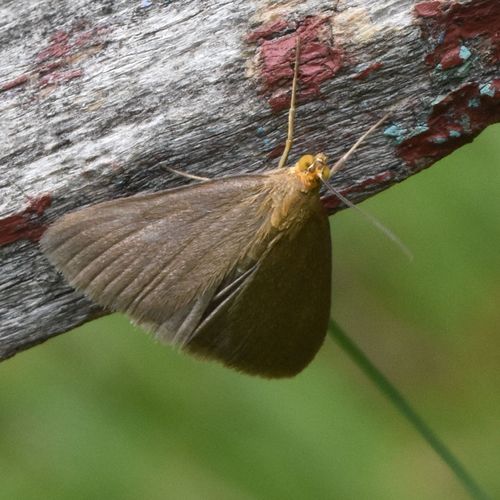
Evergestis forficalis

Daily sighting probability <5% · Rare
at Cévennes National Park

In 3 days ~10% in a week ~30%

5 Verified sightings at Cévennes National Park From 2019 to 2026
21 In all 3 parks
September Best month
🌙 Nocturnal When it's spotted

About the Garden Pebble

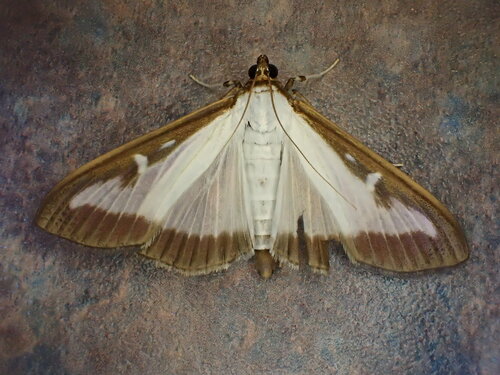
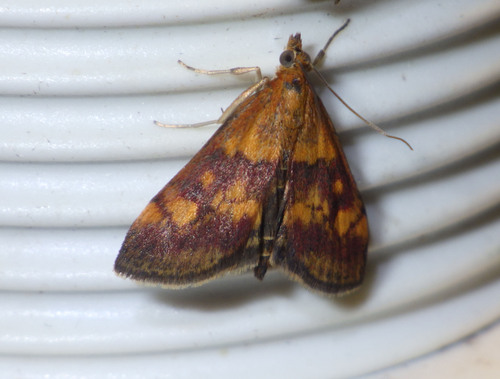
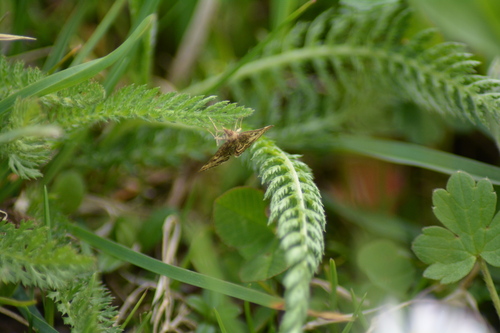
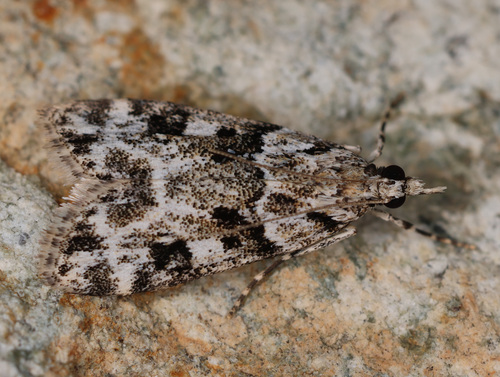
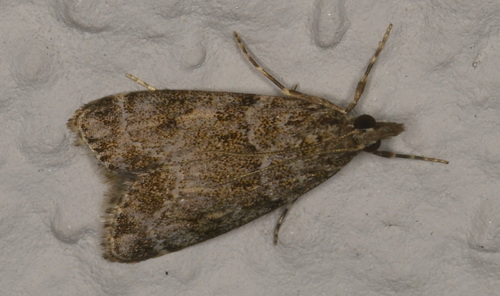
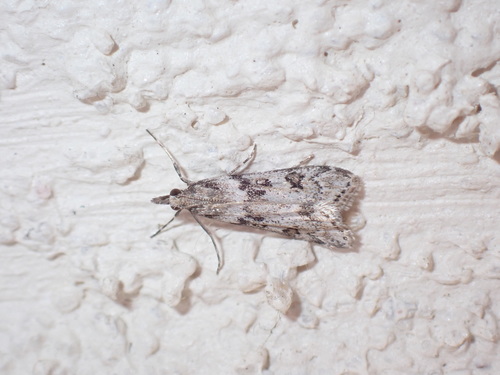
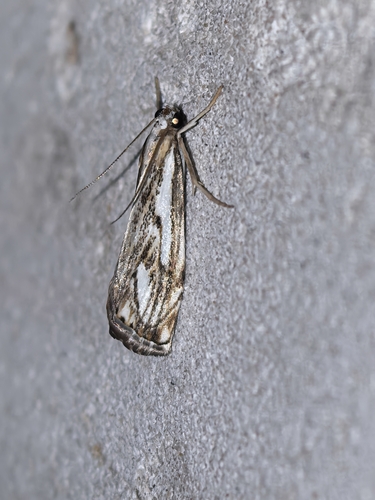
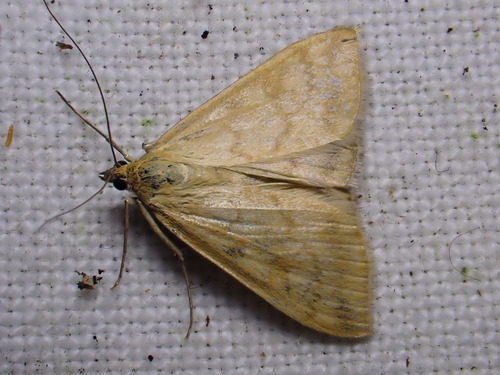
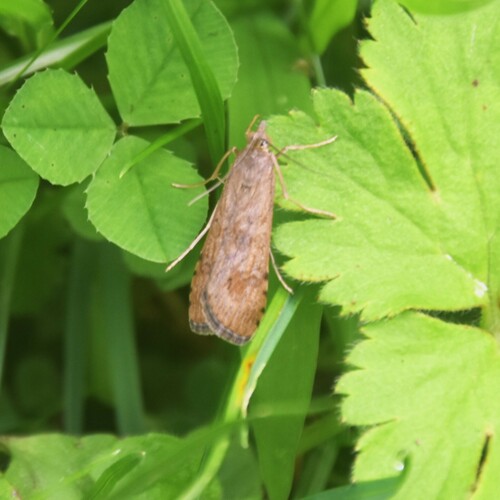
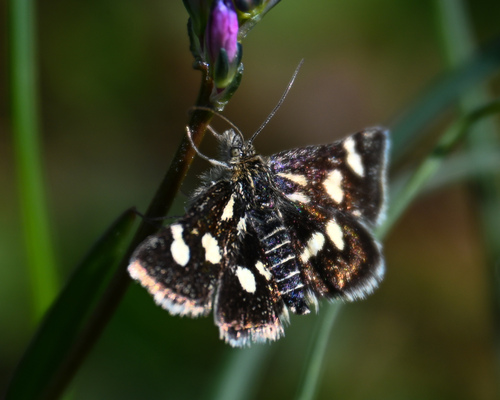
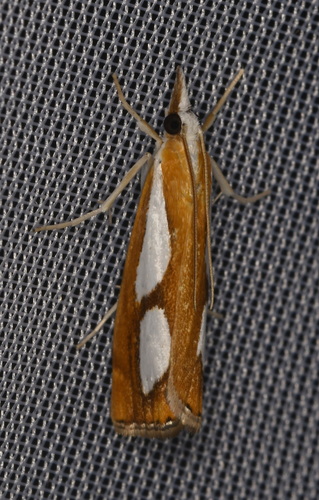
Evergestis forficalis, the garden pebble, is a species of moth of the family Crambidae. It is found in Europe, the Palearctic and North America. The species was described by Carl Linnaeus in his 1758 10th edition of Systema Naturae

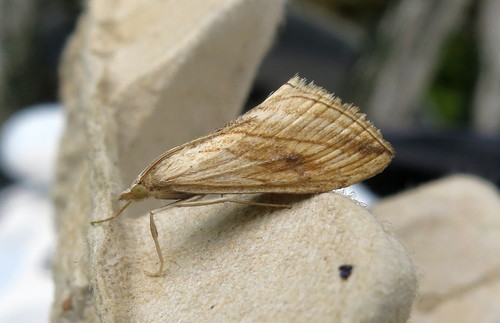
The species closely resembles Rivula sericealis. The wingspan is 25–28 mm. The forewings are whitish-ochreous, disc and apex sometimes tinged with yellowish-brown; lines fine, dark brown, very obliquely curved, indented beneath costa, first very indistinct towards costa; two small transversely placed discal spots outlined with dark fuscous, lower larger; a dark fuscous oblique apical streak; margins of subterminal line obscurely brownish. The hindwings are ochreous- whitish with a grey posterior line.

The larva is yellowish-green; dorsal and lateral lines darker green; head yellowish The length of the forewings 12–14 mm. The moth flies from May to September depending on the location. The larvae feed on Brassicaceae species, such as Brussels sprout and kale. Wikipedia →
Global Distribution

Parks Where Found

# Park Country Daily sighting probability
1 Cévennes National Park 🇫🇷 France
<5%
2 Pyrénées National Park 🇫🇷 France
<5%
3 Wadden Sea National Park 🇩🇪 Germany
<5%

Cities Where Found

# City Country Daily sighting probability
1 Liverpool 🇬🇧 United Kingdom
~10%
2 London 🇬🇧 United Kingdom
<5%
3 Porto 🇵🇹 Portugal
<5%

Before you go

What are the chances of seeing a Garden Pebble in Cévennes National Park?

Rare

Under 5% of wildlife watchers report a Garden Pebble sighting in Cévennes National Park on a given day, based on 5 verified sightings from GBIF citizen-science data from 2019 to 2026. It is the 896th most-seen of the 996 insects we can rate there. Over three days the chance rises to about 10%, and over a week to about 30%, if each day is a fresh chance.

When is the best time to see a Garden Pebble in Cévennes National Park?

May and August–September

In those months about 10% of wildlife watchers report a Garden Pebble in Cévennes National Park on a given day, against under 5% in June–July and October–April, the lowest months.

What time of day is best to see a Garden Pebble?

Between 10 pm and 1 am

Across all the parks we cover, that three-hour window holds the most Garden Pebble sightings with a recorded time, and about 7 in 10 of them come between 6 pm and 6 am: it is mostly seen at night.

Is Cévennes National Park the best place to see a Garden Pebble?

Yes

Of the 3 parks where we can rate Garden Pebble sightings, Cévennes National Park has the highest daily chance: under 5%. Next come Pyrénées National Park (France, under 5%) and Wadden Sea National Park (Germany, under 5%).

Where does the Garden Pebble sighting chance come from?

GBIF citizen-science records

It is estimated from how often the Garden Pebble is recorded against all the insects logged in Cévennes National Park (5 verified sightings from 2019 to 2026), calibrated against known sighting rates. Figures are rounded to the nearest 10% because citizen-science data supports honest approximations, not decimals, and months with records from fewer than five people show "—". How it works.

← Back to Cévennes National Park