Spotted Sulphur

Spotted Sulphur

Acontia trabealis

Daily sighting probability ~10% · With luck
at Cévennes National Park

In 3 days ~20% in a week ~40%

22 Verified sightings at Cévennes National Park From 2019 to 2026
73 In all 5 parks
July Best month
☀️🌙 Day & Night When it's spotted

About the Spotted Sulphur

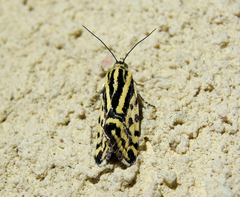
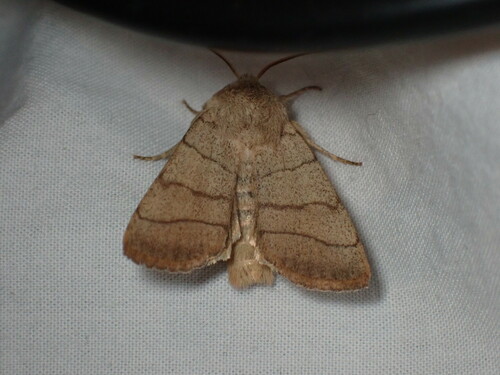
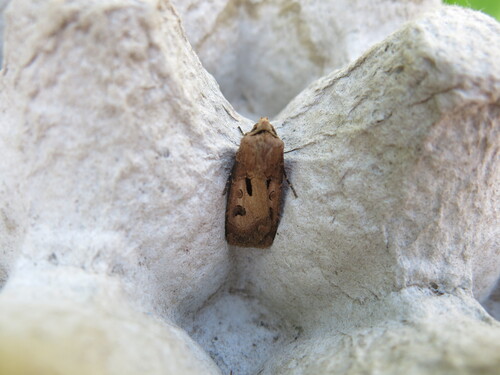
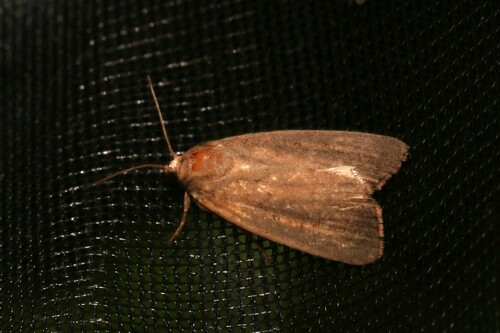
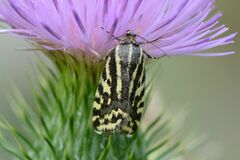
Emmelia trabealis, the spotted sulphur, is a moth of the family Noctuidae. The species was first described by Giovanni Antonio Scopoli his 1763 Entomologia Carniolica. The species is sometimes placed in the genus Acontia and Emmelia is considered as a subgenus of Acontia.

The spotted sulphur can be found in most of the Palearctic (Europe, North Africa, the Middle East and Russia to northern China and Japan). It was formerly resident in Great Britain, but has not been seen at any known breeding colonies since 25 June 1960 and is presumed extinct there.

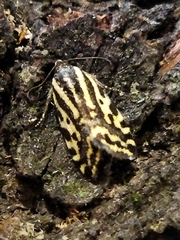
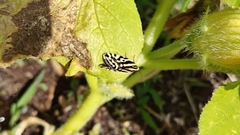
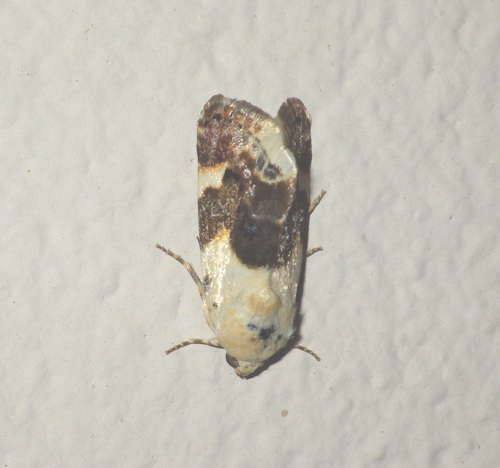
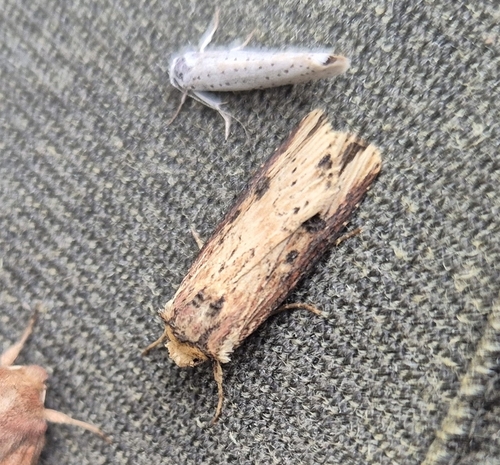
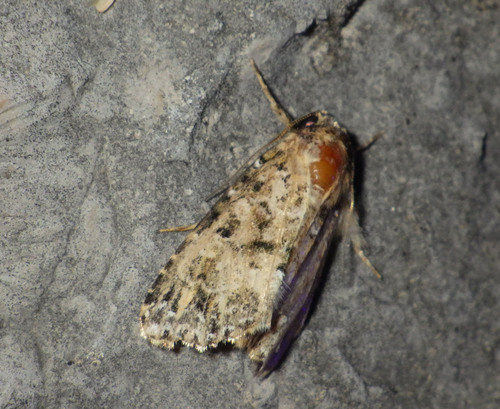
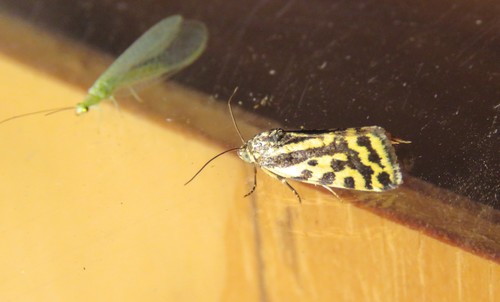
This species prefers sandy soil, dry and warm areas, meadows and sunny slopes on which the bindweed occurs. The wingspan of Emmelia trabealis can reach 18–24 mm. The forewings show a very variable black drawings on a yellowish or dirty white background. The rear wings are reddish brown.

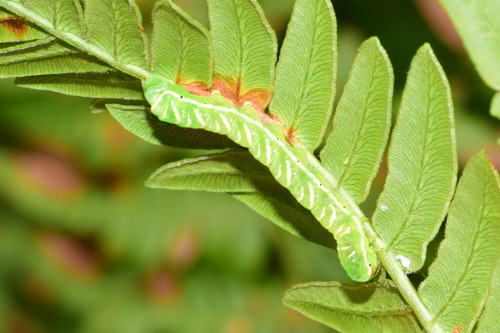
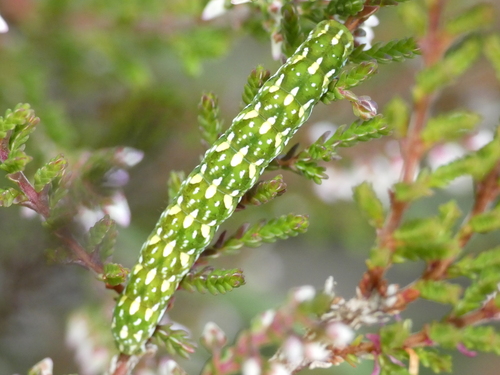
Eggs are green, elongated and cone shaped, with a flattened base and distinct longitudinal ribs. Caterpillars are reddish to greenish brown, with dark dorsal lines and a yellow side band, the head is relatively small and brown. Cocoons are red brown or green. Wikipedia →
Global Distribution

Parks Where Found

# Park Country Daily sighting probability
1 Kiskunság National Park 🇭🇺 Hungary
~30%
2 Fertő-Hanság National Park 🇭🇺 Hungary
~20%
3 Cévennes National Park 🇫🇷 France
~10%
4 Bavarian Forest National Park 🇩🇪 Germany
<5%
5 Pyrénées National Park 🇫🇷 France
<5%

Cities Where Found

# City Country Daily sighting probability
1 Turin 🇮🇹 Italy
~20%
2 Budapest 🇭🇺 Hungary
~10%
3 Bucharest 🇷🇴 Romania
~10%
4 Kharkiv 🇺🇦 Ukraine
~10%
5 Astana 🇰🇿 Kazakhstan
~10%
6 Vienna 🇦🇹 Austria
~10%
7 Lyon 🇫🇷 France
~10%
8 Warsaw 🇵🇱 Poland
~10%
9 Sofia 🇧🇬 Bulgaria
~10%
10 Milan 🇮🇹 Italy
~10%

Before you go

What are the chances of seeing a Spotted Sulphur in Cévennes National Park?

With luck

About 10% of wildlife watchers report a Spotted Sulphur sighting in Cévennes National Park on a given day, based on 22 verified sightings from GBIF citizen-science data from 2019 to 2026. It is the 345th most-seen of the 996 insects we can rate there. Over three days the chance rises to about 20%, and over a week to about 40%, if each day is a fresh chance.

When is the best time to see a Spotted Sulphur in Cévennes National Park?

June to September

In those months about 10% of wildlife watchers report a Spotted Sulphur in Cévennes National Park on a given day, against under 5% in October to May, the lowest months. Those are among Cévennes National Park's driest months, with about 65 mm of rain a month against 260 mm in October.

What time of day is best to see a Spotted Sulphur?

Between 10 pm and 1 am

Across all the parks we cover, that three-hour window holds the most Spotted Sulphur sightings with a recorded time, and about half of them come between 6 am and 6 pm: it is seen both by day and at night.

Is Cévennes National Park the best place to see a Spotted Sulphur?

3rd of 5

Of the 5 parks where we can rate Spotted Sulphur sightings, Cévennes National Park ranks 3rd at about 10%. The best odds are in Kiskunság National Park (Hungary, about 30%) and Fertő-Hanság National Park (Hungary, about 20%).

Where does the Spotted Sulphur sighting chance come from?

GBIF citizen-science records

It is estimated from how often the Spotted Sulphur is recorded against all the insects logged in Cévennes National Park (22 verified sightings from 2019 to 2026), calibrated against known sighting rates. Figures are rounded to the nearest 10% because citizen-science data supports honest approximations, not decimals, and months with records from fewer than five people show "—". How it works.

← Back to Cévennes National Park