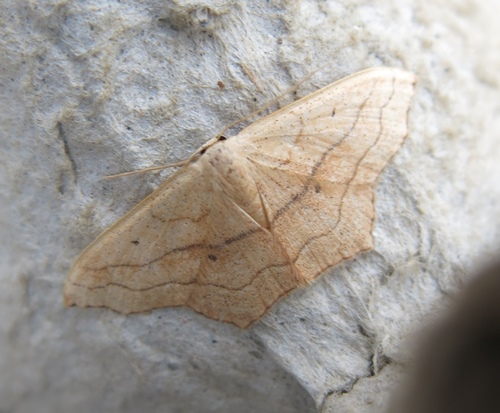
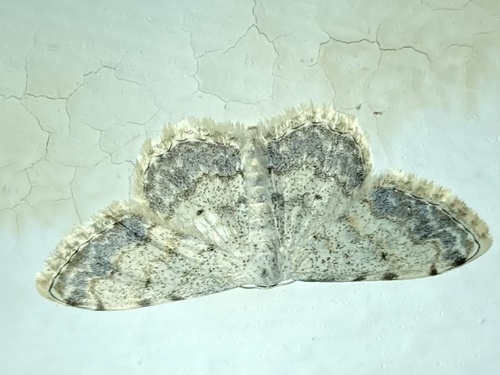

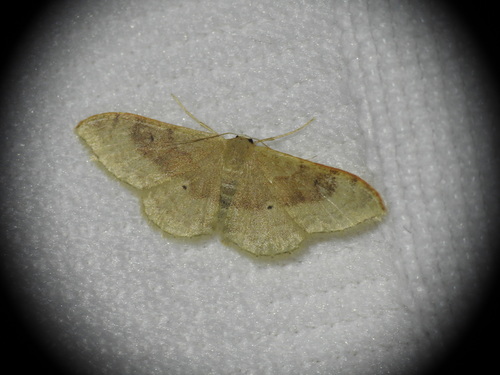
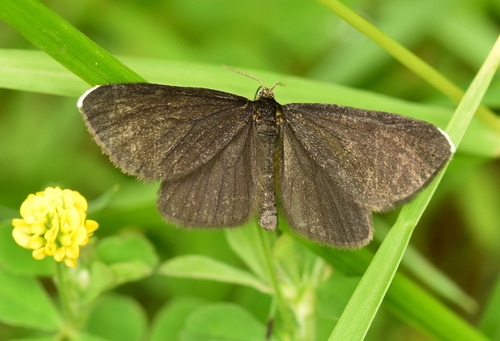
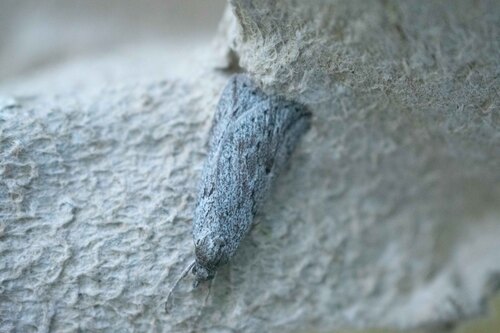
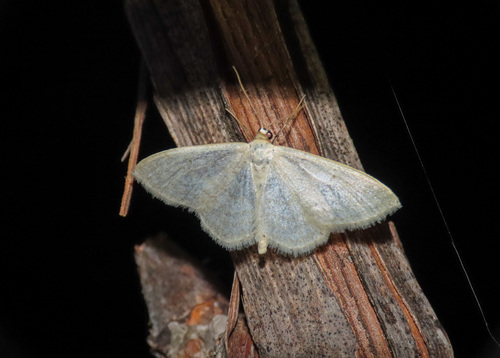
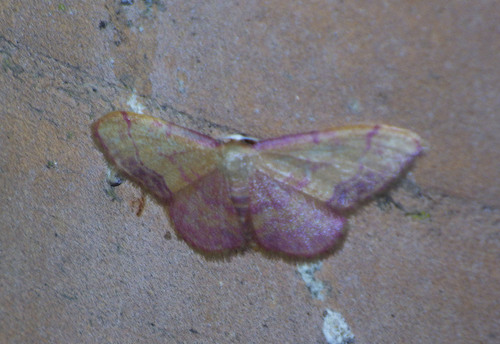
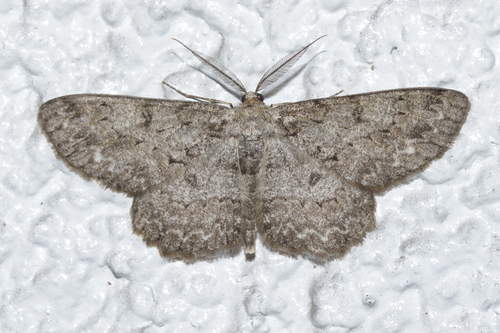
Tawny Wave

Tawny Wave

Scopula rubiginata

Daily sighting probability ~10% · With luck
at Cévennes National Park

In 3 days ~20% in a week ~40%

13 Verified sightings at Cévennes National Park From 2019 to 2026
39 In all 3 parks
August Best month
☀️🌙 Day & Night When it's spotted

About the Tawny Wave

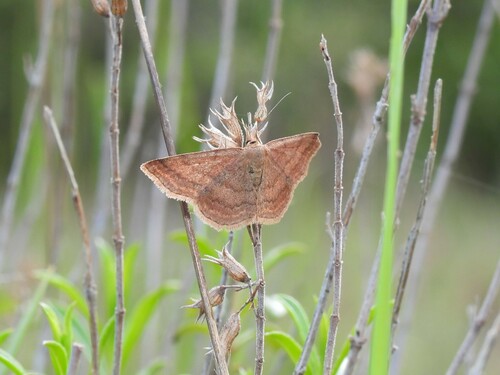
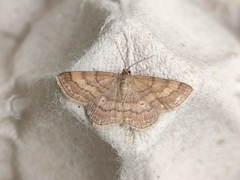
Scopula rubiginata, the tawny wave, is a moth of the family Geometridae. The species was first described by Johann Siegfried Hufnagel in 1767. Subspecies Scopula rubiginata ochraceata Staudinger, 1901 is mostly treated as a species, Scopula ochraceata.

The Latin species name rubiginata means "rusty", with reference to the coloration of the wings. This species is present from the Iberian Peninsula up to the Ural. In the North its range extends to Denmark and Southern Sweden and Finland. It is not present in most of the southern part of the Iberian Peninsula (with the exception of Gibraltar), Sicily and the southern Greek islands. In Morocco it is found in the Atlas mountains. Furthermore, it is also present in North Turkey, the Caucasus and the Crimea. Eastwards, its range stretches through southern Siberia, the northern central Asian mountains up to Mongolia. These moths preferably inhabit sandy terrain, such as sand dunes dry-warm environment, grasslands and heath, at an elevation up to 1,000 metres (3,300 ft) above sea level.

Scopula rubiginata has a wingspan of 16–22 mm. These moths are rather small... Wikipedia →

Global Distribution

Parks Where Found

# Park Country Daily sighting probability
1 Cévennes National Park 🇫🇷 France
~10%
2 Pyrénées National Park 🇫🇷 France
<5%
3 Wadden Sea National Park 🇩🇪 Germany
<5%

Cities Where Found

# City Country Daily sighting probability
1 Budapest 🇭🇺 Hungary
~10%
2 Berlin 🇩🇪 Germany
~10%
3 Prague 🇨🇿 Czechia
<5%
4 Milan 🇮🇹 Italy
<5%
5 Warsaw 🇵🇱 Poland
<5%
6 Vienna 🇦🇹 Austria
<5%

Before you go

What are the chances of seeing a Tawny Wave in Cévennes National Park?

With luck

About 10% of wildlife watchers report a Tawny Wave sighting in Cévennes National Park on a given day, based on 13 verified sightings from GBIF citizen-science data from 2019 to 2026. It is the 493rd most-seen of the 996 insects we can rate there. Over three days the chance rises to about 20%, and over a week to about 40%, if each day is a fresh chance.

When is the best time to see a Tawny Wave in Cévennes National Park?

May to August

In those months about 10% of wildlife watchers report a Tawny Wave in Cévennes National Park on a given day, against under 5% in September to April, the lowest months.

What time of day is best to see a Tawny Wave?

Between 9 pm and midnight

Across all the parks we cover, that three-hour window holds the most Tawny Wave sightings with a recorded time, and about 6 in 10 of them come between 6 pm and 6 am: it is seen both by day and at night.

Is Cévennes National Park the best place to see a Tawny Wave?

Yes

Of the 3 parks where we can rate Tawny Wave sightings, Cévennes National Park has the highest daily chance: about 10%. Next come Pyrénées National Park (France, under 5%) and Wadden Sea National Park (Germany, under 5%).

Which relatives of the Tawny Wave live in Cévennes National Park?

Same genus: Scopula

The closest relatives of the Tawny Wave that you can see in Cévennes National Park (genus Scopula) are Lace Border (about 10%), Mullein Wave (about 10%) and Small Blood-Vein (about 10%), with each one's daily chance of a sighting.

Where does the Tawny Wave sighting chance come from?

GBIF citizen-science records

It is estimated from how often the Tawny Wave is recorded against all the insects logged in Cévennes National Park (13 verified sightings from 2019 to 2026), calibrated against known sighting rates. Figures are rounded to the nearest 10% because citizen-science data supports honest approximations, not decimals, and months with records from fewer than five people show "—". How it works.

← Back to Cévennes National Park