


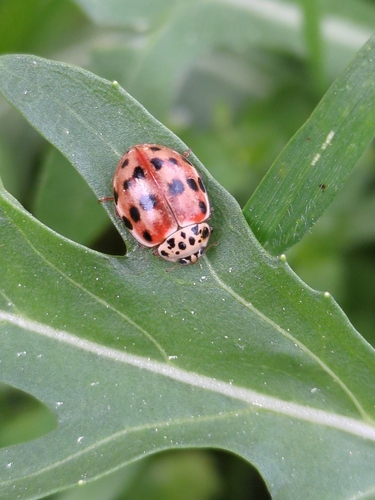

Leafhopper Assassin Bug

Leafhopper Assassin Bug

Zelus renardii

Daily sighting probability ~40% · Likely
at Ankara

In 3 days ~80% in a week >90%

27 Verified sightings at Ankara
84 In all 7 parks From 2019 to 2026
November Best month
☀️ Diurnal When it's spotted

About the Leafhopper Assassin Bug

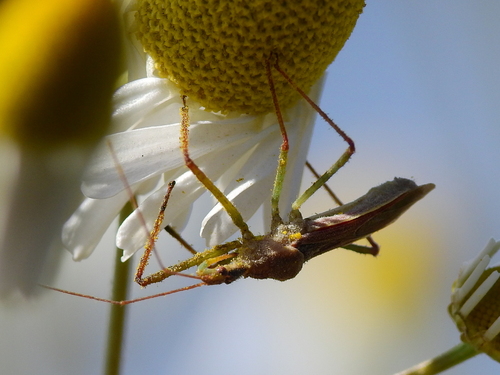
Zelus renardii, commonly known as the leaf hopper assassin bug, is a predacious insect contained within tribe Harpactorini. Diurnal and found on both wild and crop plants, Z. renardii has spread from its native habitats in western North and Central America into three other biogeographic regions across the globe.

Zelus renardii is considered a sister species to Z. cervicalis, as they share two unique characters: the lateral margins of dorsal phallothecal sclerite are recurved, and the medial process is strongly hooked apically. The native range of Z. renardii extends over various climatic zones throughout mainland North and Central America at altitudes between 8m to 2000m above sea level. Native ranges include tropical, dry, semi-arid, arid, and Mediterranean climates. Additionally, Z. renardii also appears well suited to urban and disturbed areas, as it has been observed in suburban areas on both native and non-native herbaceous and woody plants, as well as common garden plants. Egg masses can frequently be found on vegetable plants. Z. renardii is also sympatric with Z. tetracantus over a large part of its range in western USA, Mexico, Guatemala... Wikipedia →

Global Distribution

Parks Where Found

# Park Country Daily sighting probability
1 Saguaro National Park 🇺🇸 United States
~10%
2 Sierra Nevada National Park 🇪🇸 Spain
~10%
3 Bahía de Loreto National Park 🇲🇽 Mexico
~10%
4 Joshua Tree National Park 🇺🇸 United States
~10%
5 Grand Canyon National Park 🇺🇸 United States
~10%
6 Cumbres de Monterrey National Park 🇲🇽 Mexico
<5%
7 Pyrénées National Park 🇫🇷 France
<5%

Cities Where Found

# City Country Daily sighting probability
1 Ankara 🇹🇷 Turkey
~40%
2 Bursa 🇹🇷 Turkey
~30%
3 Izmir 🇹🇷 Turkey
~30%
4 Valencia 🇪🇸 Spain
~30%
5 Mendoza 🇦🇷 Argentina
~30%
6 Barcelona 🇪🇸 Spain
~20%
7 Istanbul 🇹🇷 Turkey
~20%
8 Mesa 🇺🇸 United States
~20%
9 Tashkent 🇺🇿 Uzbekistan
~20%
10 Athens 🇬🇷 Greece
~20%

Before you go

What are the chances of seeing a Leafhopper Assassin Bug in Ankara?

Likely

About 40% of wildlife watchers report a Leafhopper Assassin Bug sighting in Ankara on a given day, based on 27 verified sightings from GBIF citizen-science data. It is the 5th most-seen of the 32 insects we can rate there. Over three days the chance rises to about 80%, and over a week to over 90%, if each day is a fresh chance.

When is the best time to see a Leafhopper Assassin Bug in Ankara?

November

In that month about 70% of wildlife watchers report a Leafhopper Assassin Bug in Ankara on a given day, against under 5% in June and September, the lowest months.

What time of day is best to see a Leafhopper Assassin Bug?

Between 1 and 4 pm

Across all the parks we cover, that three-hour window holds the most Leafhopper Assassin Bug sightings with a recorded time, and about 8 in 10 of them come between 6 am and 6 pm: it is a daytime animal.

Is Ankara the best place to see a Leafhopper Assassin Bug?

Yes

Of the 41 cities where we can rate Leafhopper Assassin Bug sightings, Ankara has the highest daily chance: about 40%. Next come Bursa (Turkey, about 30%) and Izmir (Turkey, about 30%).

Which relatives of the Leafhopper Assassin Bug live in Ankara?

Same order: Hemiptera

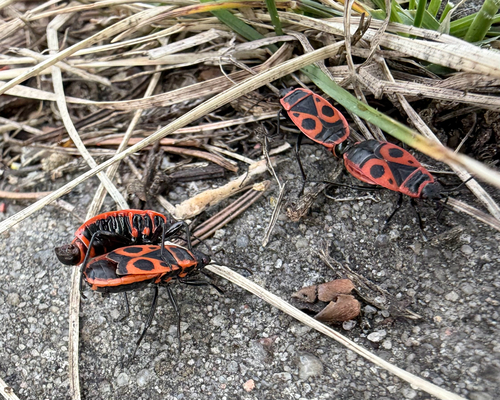
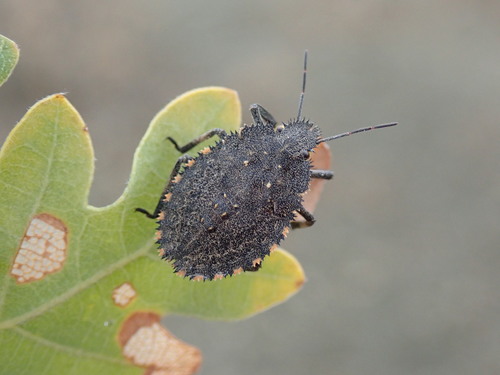
The closest relatives of the Leafhopper Assassin Bug that you can see in Ankara (order Hemiptera, True Bugs, Hoppers, Aphids, and allies) are European Firebug (about 40%), Brown Marmorated Stink Bug (about 40%) and Western Conifer Seed Bug (about 20%), with each one's daily chance of a sighting.

Where does the Leafhopper Assassin Bug sighting chance come from?

GBIF citizen-science records

It is estimated from how often the Leafhopper Assassin Bug is recorded against all the insects logged in Ankara (27 verified sightings), calibrated against known sighting rates. Figures are rounded to the nearest 10% because citizen-science data supports honest approximations, not decimals, and months with records from fewer than five people show "—". How it works.

← Back to Ankara