
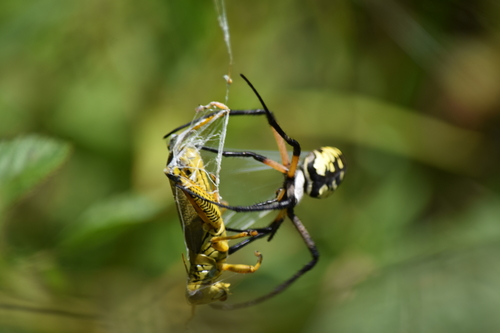
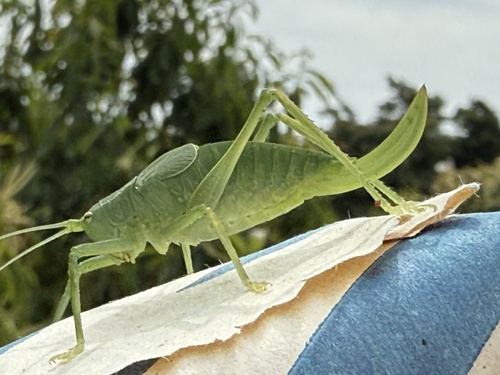
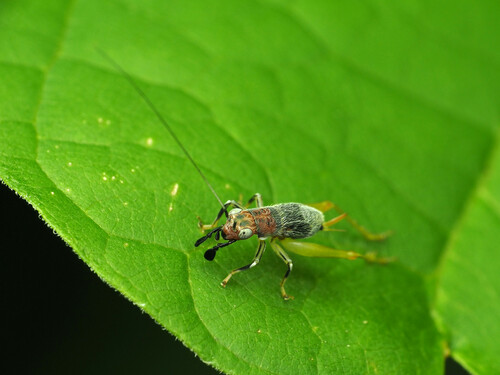
Green-Striped Grasshopper

Green-Striped Grasshopper

Chortophaga viridifasciata

Daily sighting probability <5% · Rare
at Chicago

In 3 days ~10%

6 Verified sightings at Chicago
48 In all 5 parks From 2019 to 2026
March Best month
☀️ Diurnal When it's spotted

About the Green-Striped Grasshopper

Chortophaga viridifasciata, the green-striped grasshopper, is a species of band-winged grasshopper in the family Acrididae. It is found in Central America and North America, ranging from British Columbia to the Gulf of Mexico (mostly east of the Rocky Mountains), south to Costa Rica.

Green-striped grasshoppers inhabit relatively moist areas of short grass, such as roadsides and hay meadows. The green-striped grasshopper is single-brooded in the North and west of the Great Plains but is multiple-brooded in the Southeast.

In the single-brooded range, green-striped grasshoppers' eggs are laid early in the summer season. These eggs hatch later in the same summer. The nymphs will molt three to four times before winter. The nymphs survive through the winter and then molt one or two more times to reach adulthood. C. viridifasciata is often the first grasshopper to appear in early spring because of its overwintering.

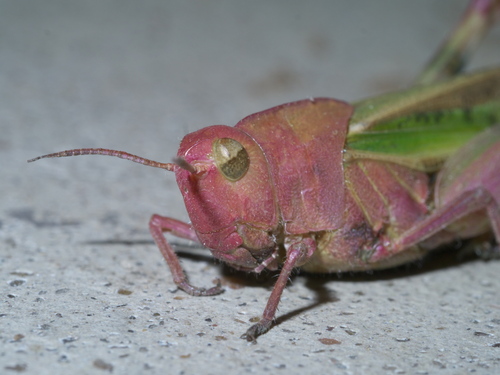
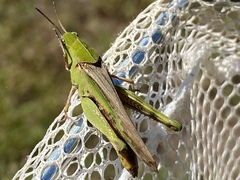
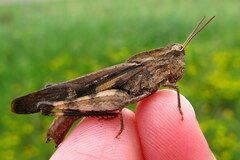
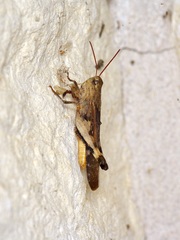
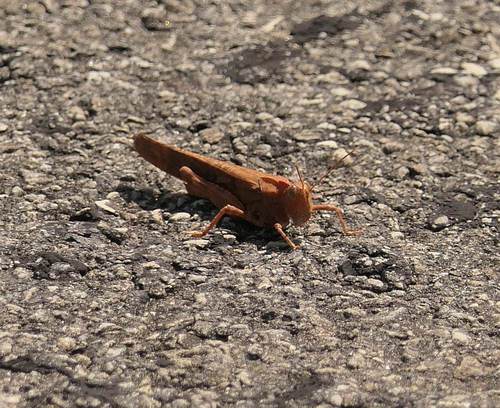
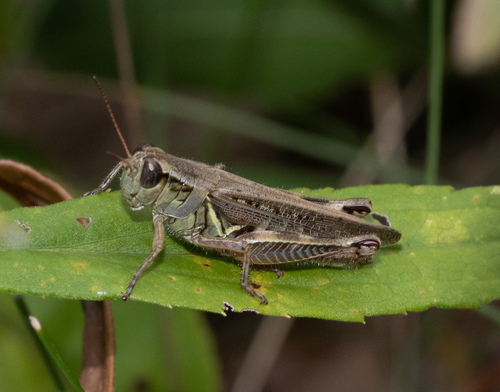
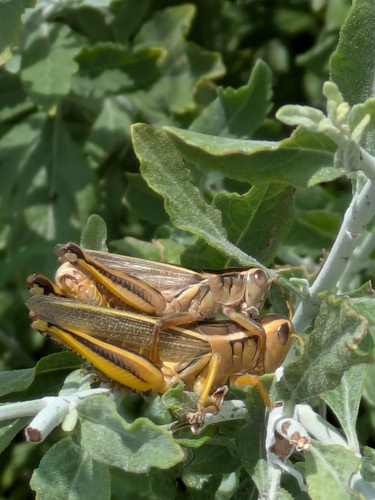
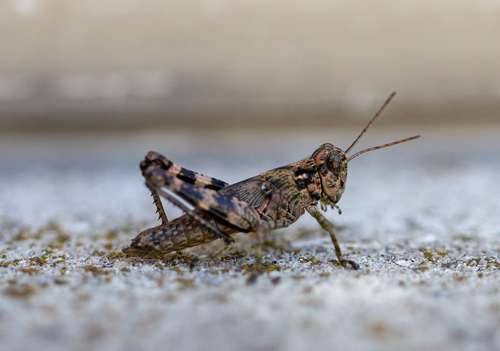
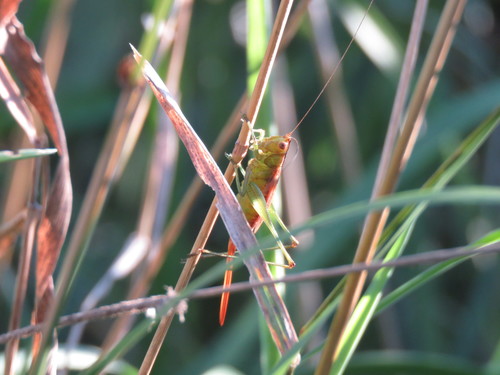
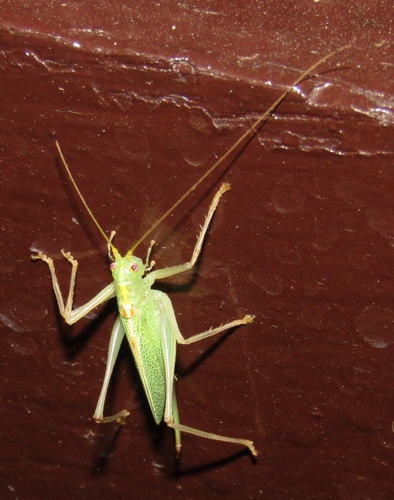
Green-striped grasshoppers typically have five instars during development. Their size ranges from 23 to 30 mm for males and 28 to 38 mm for females. Females are typically green and males are typically brown but there is... Wikipedia →

Global Distribution

Parks Where Found

# Park Country Daily sighting probability
1 Padre Island National Seashore 🇺🇸 United States
~10%
2 Shenandoah National Park 🇺🇸 United States
~10%
3 Acadia National Park 🇺🇸 United States
~10%
4 Great Smoky Mountains National Park 🇺🇸 United States
~10%
5 Cumbres de Monterrey National Park 🇲🇽 Mexico
<5%

Cities Where Found

# City Country Daily sighting probability
1 Austin 🇺🇸 United States
~10%
2 Dallas 🇺🇸 United States
~10%
3 Boston 🇺🇸 United States
~10%
4 Calgary 🇨🇦 Canada
~10%
5 Houston 🇺🇸 United States
~10%
6 Denver 🇺🇸 United States
~10%
7 Edmonton 🇨🇦 Canada
<5%
8 San Antonio 🇺🇸 United States
<5%
9 Montreal 🇨🇦 Canada
<5%
10 Washington 🇺🇸 United States
<5%

Before you go

What are the chances of seeing a Green-Striped Grasshopper in Chicago?

Rare

Under 5% of wildlife watchers report a Green-Striped Grasshopper sighting in Chicago on a given day, based on 6 verified sightings from GBIF citizen-science data. It is the 884th most-seen of the 978 insects we can rate there. Over three days the chance rises to about 10%, if each day is a fresh chance.

When is the best time to see a Green-Striped Grasshopper in Chicago?

Any time of year

In every month with enough records, under 5% of wildlife watchers report a Green-Striped Grasshopper in Chicago on a given day, so our monthly data shows no clear season.

What time of day is best to see a Green-Striped Grasshopper?

Between 11 am and 2 pm

Across all the parks we cover, that three-hour window holds the most Green-Striped Grasshopper sightings with a recorded time, and about 9 in 10 of them come between 6 am and 6 pm: it is a daytime animal.

Is Chicago the best place to see a Green-Striped Grasshopper?

15th of 15

Of the 15 cities where we can rate Green-Striped Grasshopper sightings, Chicago ranks 15th at under 5%. The best odds are in Austin (United States, about 10%), Dallas (United States, about 10%) and Boston (United States, about 10%).

Which relatives of the Green-Striped Grasshopper live in Chicago?

Same family: Acrididae

The closest relatives of the Green-Striped Grasshopper that you can see in Chicago (family Acrididae, Short-horned Grasshoppers) are Differential Grasshopper (about 10%) and Carolina Grasshopper (about 10%), with each one's daily chance of a sighting.

Where does the Green-Striped Grasshopper sighting chance come from?

GBIF citizen-science records

It is estimated from how often the Green-Striped Grasshopper is recorded against all the insects logged in Chicago (6 verified sightings), calibrated against known sighting rates. Figures are rounded to the nearest 10% because citizen-science data supports honest approximations, not decimals, and months with records from fewer than five people show "—". How it works.

← Back to Chicago