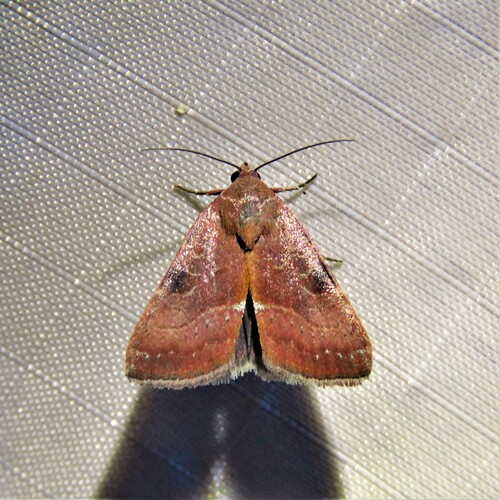
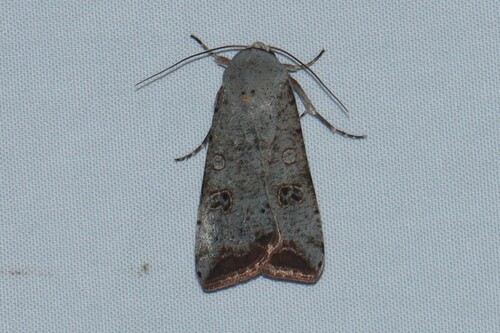
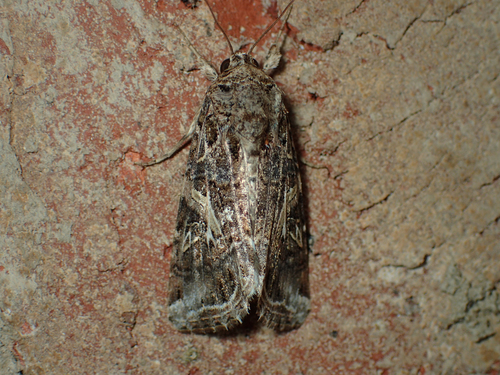
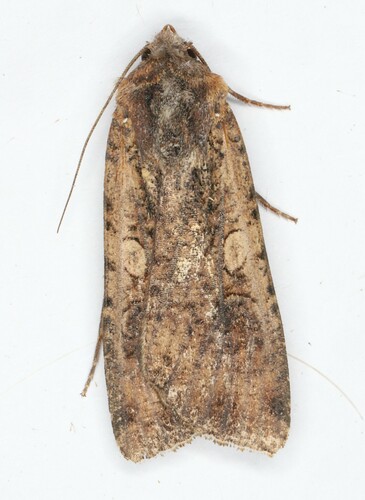
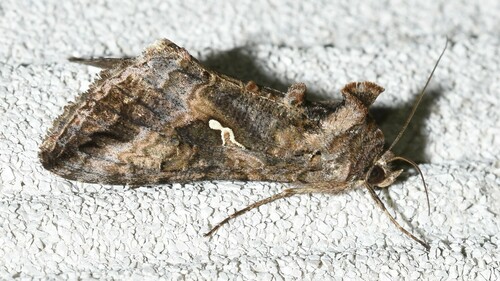
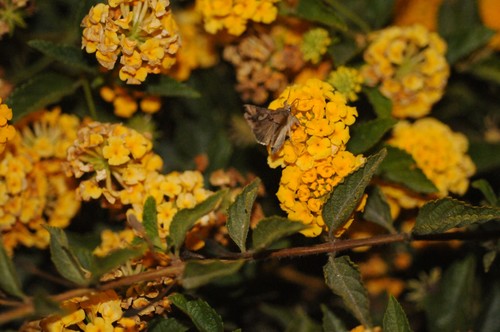
Corn Earworm Moth

Corn Earworm Moth

Helicoverpa zea

Daily sighting probability ~10% · With luck
at Dallas

In 3 days ~30% in a week ~50%

235 Verified sightings at Dallas
46 In all 3 parks From 2019 to 2026
July Best month
☀️🌙 Day & Night When it's spotted

About the Corn Earworm Moth

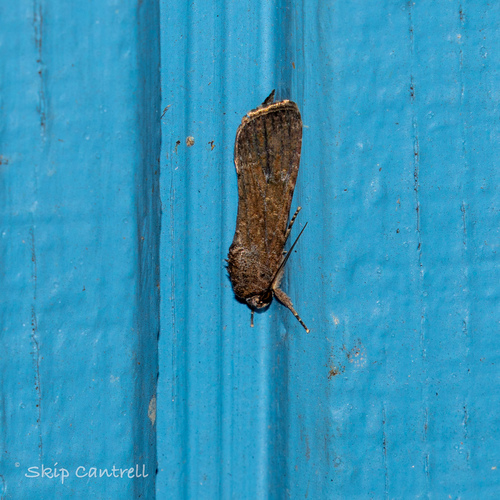
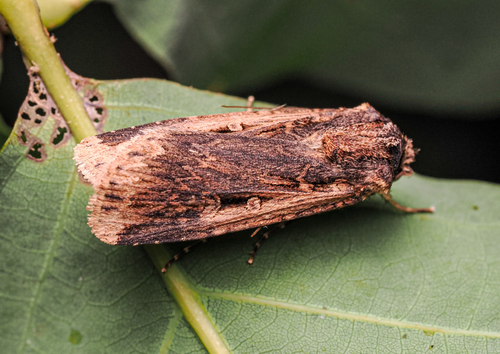
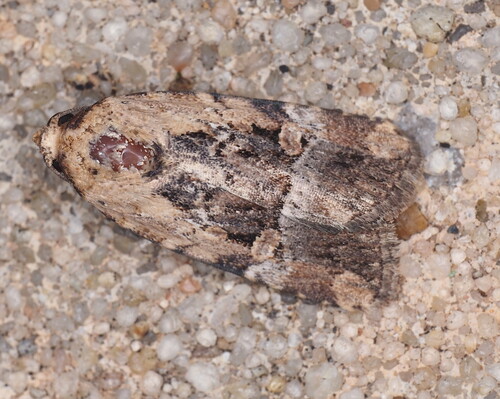
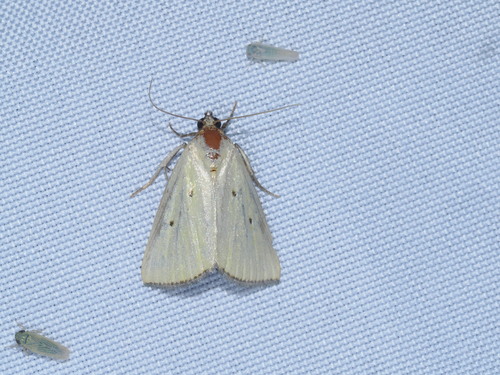
Helicoverpa zea, commonly known as the corn earworm, is a species (formerly in the genus Heliothis) in the family Noctuidae. The larva of the moth Helicoverpa zea is a major agricultural pest. Since it is polyphagous (feeds on many different plants) during the larval stage, the species has been given many different common names, including the cotton bollworm and the tomato fruitworm. It also consumes a wide variety of other crops.

The species is widely distributed across the Americas with the exception of northern Canada and Alaska. It has become resistant to many pesticides, but can be controlled with integrated pest management techniques including deep ploughing, trap crops, chemical control using mineral oil, and biological controls.

The species migrates seasonally, at night, and can be carried downwind up to 400 km. Pupae can make use of diapause to wait out adverse environmental conditions, especially at high latitudes and in drought. The corn earworm is found in temperate and tropical regions of North America, with the exception of northern Canada and Alaska as it cannot overwinter in these areas. Helicoverpa zea found in the eastern United States also does... Wikipedia →

Global Distribution

Parks Where Found

# Park Country Daily sighting probability
1 Big Bend National Park 🇺🇸 United States
~10%
2 Point Pelee National Park 🇨🇦 Canada
~10%
3 Rocky Mountain National Park 🇺🇸 United States
~10%

Cities Where Found

# City Country Daily sighting probability
1 Denver 🇺🇸 United States
~10%
2 Austin 🇺🇸 United States
~10%
3 Dallas 🇺🇸 United States
~10%
4 Chicago 🇺🇸 United States
~10%
5 San Antonio 🇺🇸 United States
~10%
6 Houston 🇺🇸 United States
<5%
7 Minneapolis [Saint Paul] 🇺🇸 United States
<5%
8 Baltimore 🇺🇸 United States
<5%
9 Washington 🇺🇸 United States
<5%
10 Philadelphia 🇺🇸 United States
<5%

Before you go

What are the chances of seeing a Corn Earworm Moth in Dallas?

With luck

About 10% of wildlife watchers report a Corn Earworm Moth sighting in Dallas on a given day, based on 235 verified sightings from GBIF citizen-science data. It is the 83rd most-seen of the 1412 insects we can rate there. Over three days the chance rises to about 30%, and over a week to about 50%, if each day is a fresh chance.

When is the best time to see a Corn Earworm Moth in Dallas?

July

In that month about 20% of wildlife watchers report a Corn Earworm Moth in Dallas on a given day, against under 5% in November to May, the lowest months.

What time of day is best to see a Corn Earworm Moth?

Between midnight and 3 am

Across all the parks we cover, that three-hour window holds the most Corn Earworm Moth sightings with a recorded time, and about half of them come between 6 am and 6 pm: it is seen both by day and at night.

Is Dallas the best place to see a Corn Earworm Moth?

Among the best

Of the 16 cities where we can rate Corn Earworm Moth sightings, Dallas ranks 3rd at about 10%, level with the leaders once rounded. The best odds are in Denver (United States, about 10%) and Austin (United States, about 10%).

Which relatives of the Corn Earworm Moth live in Dallas?

Same family: Noctuidae

The closest relatives of the Corn Earworm Moth that you can see in Dallas (family Noctuidae, Cutworm Moths and Allies) are Wedgling Moth (about 10%), Green Cutworm Moth (about 10%) and Yellow-Striped Armyworm Moth (about 10%), with each one's daily chance of a sighting.

Where does the Corn Earworm Moth sighting chance come from?

GBIF citizen-science records

It is estimated from how often the Corn Earworm Moth is recorded against all the insects logged in Dallas (235 verified sightings), calibrated against known sighting rates. Figures are rounded to the nearest 10% because citizen-science data supports honest approximations, not decimals, and months with records from fewer than five people show "—". How it works.

← Back to Dallas