Javan Pond Heron

Javan Pond Heron

Ardeola speciosa

Silhouette: Andy Wilson · PhyloPic

LCLeast ConcernNTVUENCR
Daily sighting probability ~60% · Likely
at Denpasar

In 3 days >90%

583 Verified sightings at Denpasar
603 In all 5 parks From 2019 to 2026
January Best month
🌅 Crepuscular When it's spotted

About the Javan Pond Heron

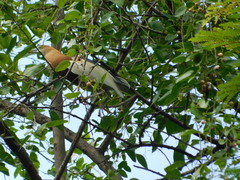
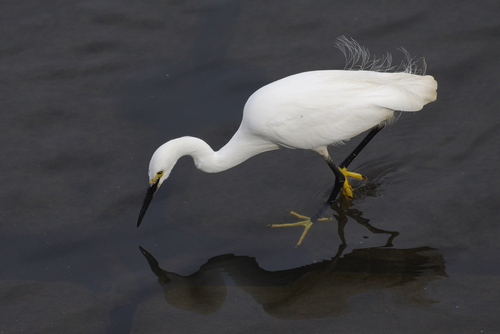
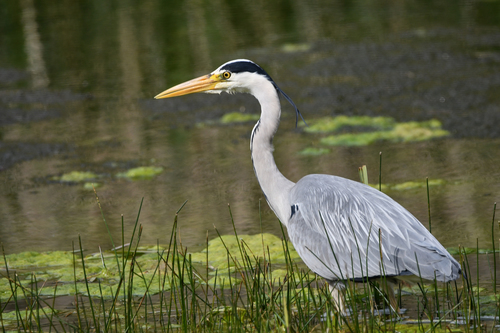
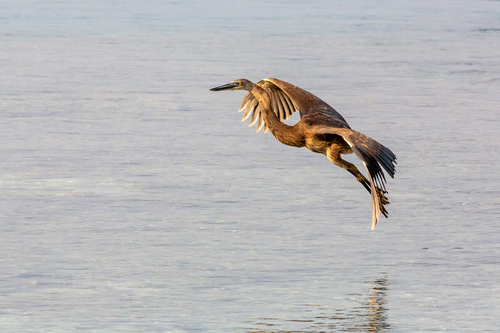
The Javan pond heron (Ardeola speciosa) is a wading bird of the heron family, found in shallow fresh and salt-water wetlands in Southeast Asia. Its diet comprises insects, fish, and crabs. The Javan pond heron is typically 45 cm long with white wings, a yellow bill with a black tip, yellow eyes and legs. Its overall colour is orange, slaty and white during mating season, and brown and flecked with white out of the mating season. The non-breeding plumage is similar to that of the Chinese and Indian pond herons and is virtually indistinguishable in the field. It breeds from June to September. It is migratory.

Widespread throughout its large range, the Javan pond heron is evaluated as Least Concern on the IUCN Red List of Threatened Species. BirdLife Species Factsheet Wikipedia →

Sounds

Call0:10

Thailand · 2024

© Greg Irving · XC936888 · CC BY-NC-SA 4.0

Global Distribution

Parks Where Found

# Park Country Daily sighting probability
1 Bali Barat National Park 🇮🇩 Indonesia
~40%
2 Way Kambas National Park 🇮🇩 Indonesia
~30%
3 Tangkoko Nature Reserve 🇮🇩 Indonesia
<5%
4 Kaeng Krachan National Park 🇹🇭 Thailand
<5%
5 Khao Yai National Park 🇹🇭 Thailand
<5%

Cities Where Found

# City Country Daily sighting probability
1 Denpasar 🇮🇩 Indonesia
~60%
2 Jakarta 🇮🇩 Indonesia
~60%
3 Makassar 🇮🇩 Indonesia
~50%
4 Semarang 🇮🇩 Indonesia
~50%
5 Davao City 🇵🇭 Philippines
~30%
6 Surabaya 🇮🇩 Indonesia
~30%
7 Cebu City 🇵🇭 Philippines
~20%
8 Bangkok 🇹🇭 Thailand
~20%
9 Yogyakarta 🇮🇩 Indonesia
~20%
10 Bandung 🇮🇩 Indonesia
~10%

Zoos & Centres Where Found

# Zoo / Centre Country
1 Busch Gardens Tampa 🇺🇸 United States In captivity
2 Tierpark Berlin 🇩🇪 Germany In captivity
3 Walsrode World Bird Park 🇩🇪 Germany In captivity
4 Zoo Miami 🇺🇸 United States In captivity
5 Omaha’s Henry Doorly Zoo and Aquarium 🇺🇸 United States In captivity
6 Berlin Zoological Garden 🇩🇪 Germany In captivity
7 ZooTampa 🇺🇸 United States In captivity
8 Aquarium Berlin 🇩🇪 Germany In captivity

Before you go

What are the chances of seeing a Javan Pond Heron in Denpasar?

Likely

About 60% of wildlife watchers report a Javan Pond Heron sighting in Denpasar on a given day, based on 583 verified sightings from GBIF citizen-science data. It is the 5th most-seen of the 109 birds we can rate there. Over three days the chance rises to over 90%, if each day is a fresh chance.

When is the best time to see a Javan Pond Heron in Denpasar?

January

In that month about 80% of wildlife watchers report a Javan Pond Heron in Denpasar on a given day, against about 50% in November, the lowest month. That is one of Denpasar's wettest months, with about 320 mm of rain against 25 mm in August.

What time of day is best to see a Javan Pond Heron?

Between 2 and 5 am

Across all the parks we cover, that three-hour window holds the most Javan Pond Heron sightings with a recorded time, and about half of them come between 6 am and 6 pm: it is most active around dawn and dusk.

Is Denpasar the best place to see a Javan Pond Heron?

Yes

Of the 15 cities where we can rate Javan Pond Heron sightings, Denpasar has the highest daily chance: about 60%. Next come Jakarta (Indonesia, about 60%) and Makassar (Indonesia, about 50%).

Which relatives of the Javan Pond Heron live in Denpasar?

Same family: Ardeidae

The closest relatives of the Javan Pond Heron that you can see in Denpasar (family Ardeidae, Herons, Egrets, and Bitterns) are Purple Heron (about 60%), Great Egret (about 60%) and Little Egret (about 60%), with each one's daily chance of a sighting.

Where does the Javan Pond Heron sighting chance come from?

GBIF citizen-science records

It is estimated from how often the Javan Pond Heron is recorded against all the birds logged in Denpasar (583 verified sightings), calibrated against known sighting rates. Figures are rounded to the nearest 10% because citizen-science data supports honest approximations, not decimals, and months with records from fewer than five people show "—". How it works.

← Back to Denpasar