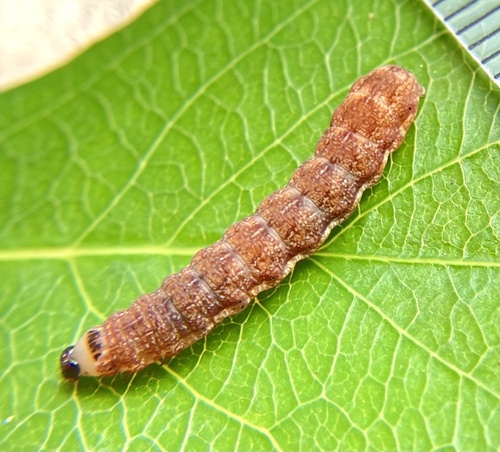
Eight-Spotted Forester Moth

Eight-Spotted Forester Moth

Alypia octomaculata

Daily sighting probability ~10% · With luck
at Detroit

In 3 days ~20% in a week ~30%

11 Verified sightings at Detroit
88 In all 3 parks From 2019 to 2026
June Best month
☀️ Diurnal When it's spotted

About the Eight-Spotted Forester Moth

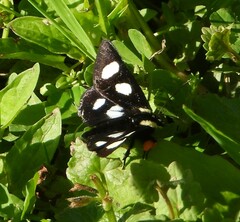
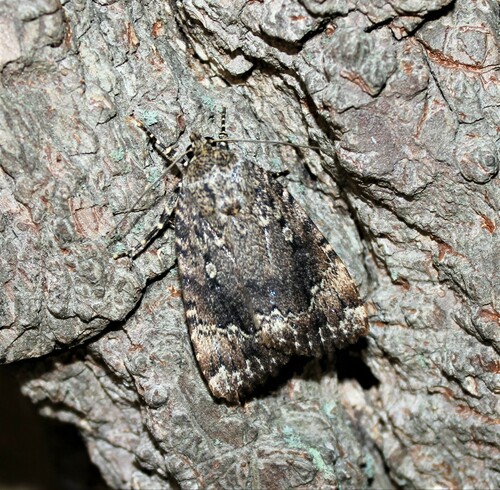
Alypia octomaculata, the eight-spotted forester, is a moth of the family Noctuidae, first described by Johan Christian Fabricius in 1775. It is native to Canada, but can be found today throughout Northern America, ranging between Nova Scotia to Florida and South Dakota to Texas. Their habitats are rather specific: they make home where wooded areas meet open fields.

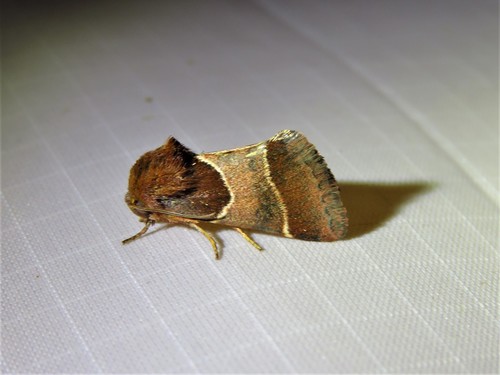
Full grown larvae reach up to 25.4–38 millimetres (1–1+1⁄2 in). The moth is overall black, with two spots on each wing (a total of eight spots). Its forewing ranges between shades of white, cream, or yellow. Their wingspan is around 30–37 millimetres (1.2–1.5 in). These moths are active during the day and night, and are often mistaken as butterflies.

The larvae feed on the underside of leaves and stems of grapevines, peppervines, and Virginia creepers. A. octomaculata larvae are considered somewhat of a pest in commercial and decorative vineyards. When threatened, its first line of defense is to vomit a foul orange-tinted liquid. It escapes by falling off of its perch, still attached to it by the silk thread excreted from its mouth.

Larvae who are still around during the fall like to spin... Wikipedia →

Global Distribution

Parks Where Found

# Park Country Daily sighting probability
1 Point Pelee National Park 🇨🇦 Canada
~20%
2 Shenandoah National Park 🇺🇸 United States
~10%
3 Great Smoky Mountains National Park 🇺🇸 United States
~10%

Cities Where Found

# City Country Daily sighting probability
1 Austin 🇺🇸 United States
~10%
2 Montreal 🇨🇦 Canada
~10%
3 Detroit 🇺🇸 United States
~10%
4 Toronto 🇨🇦 Canada
~10%
5 Houston 🇺🇸 United States
<5%
6 Dallas 🇺🇸 United States
<5%
7 San Antonio 🇺🇸 United States
<5%
8 Baltimore 🇺🇸 United States
<5%
9 Boston 🇺🇸 United States
<5%
10 Philadelphia 🇺🇸 United States
<5%

Before you go

What are the chances of seeing an Eight-Spotted Forester Moth in Detroit?

With luck

About 10% of wildlife watchers report an Eight-Spotted Forester Moth sighting in Detroit on a given day, based on 11 verified sightings from GBIF citizen-science data. It is the 147th most-seen of the 268 insects we can rate there. Over three days the chance rises to about 20%, and over a week to about 30%, if each day is a fresh chance.

When is the best time to see an Eight-Spotted Forester Moth in Detroit?

May to July

In those months about 10% of wildlife watchers report an Eight-Spotted Forester Moth in Detroit on a given day, against under 5% in August to April, the lowest months.

What time of day is best to see an Eight-Spotted Forester Moth?

Between 9 am and noon

Across all the parks we cover, that three-hour window holds the most Eight-Spotted Forester Moth sightings with a recorded time, and about 9 in 10 of them come between 6 am and 6 pm: it is a daytime animal.

Is Detroit the best place to see an Eight-Spotted Forester Moth?

Among the best

Of the 14 cities where we can rate Eight-Spotted Forester Moth sightings, Detroit ranks 3rd at about 10%, level with the leaders once rounded. The best odds are in Austin (United States, about 10%) and Montreal (Canada, about 10%).

Which relatives of the Eight-Spotted Forester Moth live in Detroit?

Same family: Noctuidae

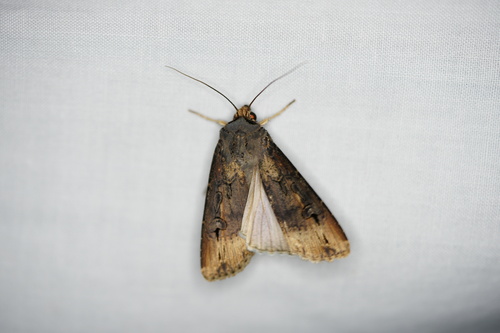
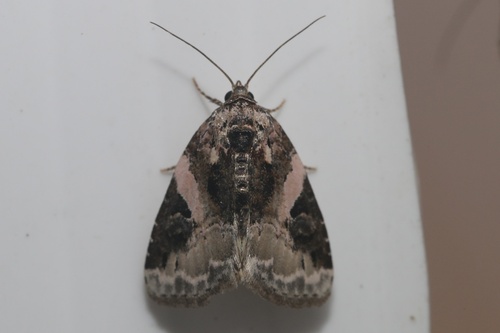
The closest relatives of the Eight-Spotted Forester Moth that you can see in Detroit (family Noctuidae, Cutworm Moths and Allies) are American Dagger (about 20%), Large Yellow Underwing (about 10%) and Bristly Cutworm Moth (about 10%), with each one's daily chance of a sighting.

Where does the Eight-Spotted Forester Moth sighting chance come from?

GBIF citizen-science records

It is estimated from how often the Eight-Spotted Forester Moth is recorded against all the insects logged in Detroit (11 verified sightings), calibrated against known sighting rates. Figures are rounded to the nearest 10% because citizen-science data supports honest approximations, not decimals, and months with records from fewer than five people show "—". How it works.

← Back to Detroit