City
Quito
🇪🇨 Ecuador
South America, Ecuador 287 spp. recorded
Quito, officially San Francisco de Quito, is the capital of Ecuador, and the province of Pichincha. It is the largest city in Pichincha and the second-largest city in Ecuador. Quito is in a valley on the eastern slopes of Pichincha, an active stratovolcano in the Andes. Wikipedia
0.218° S 78.496° W
🦜 Nature

287 Species sighted
39,660 Verified sightings From 2019 to 2026
Dec Best month
⭐ Iconic Species


📊 Most Spotted




📊 Most Spotted


LC
 Mountain Lion
Puma concolor

LC
 Red-tailed Squirrel
Sciurus granatensis

LC
 Culpeo
Lycalopex culpaeus
⭐ Iconic Species
📊 Most Spotted

📊 Most Spotted


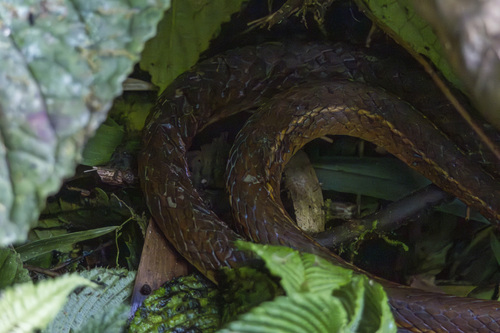
LC
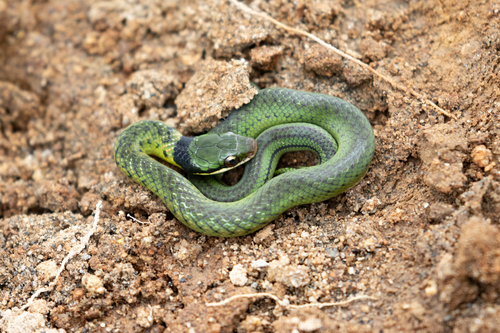
Cope's Tropical Racer
Mastigodryas pulchriceps

LC
 Central American Boa
Boa imperator

 White-lipped Mud Turtle
Kinosternon leucostomum

LC
 Forest Flame Snake
Oxyrhopus petolarius
📊 Most Spotted


LC
Palmar Tree Frog
Boana pellucens
📊 Most Spotted
🌙 Most active after dark


LC
 Common Potoo
Nyctibius griseus
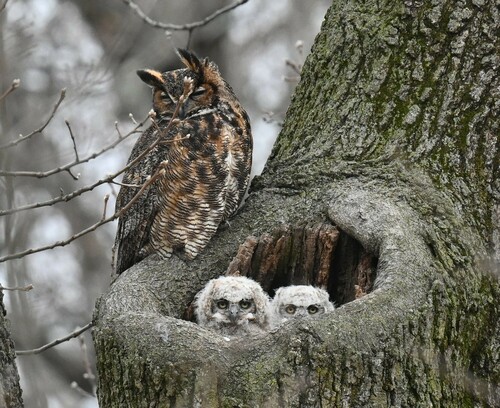
LC
 Great Horned Owl
Bubo virginianus

LC
 Common Nighthawk
Chordeiles minor
Recent sightings in Quito
LIVEiNaturalistWhere to look
Warmer areas are where all species together are recorded most often.
-
Jardín Botánico de Quito (Parque La Carolina)
-
San Jorge Ecolodge (Quito)
-
Parque Arqueológico y Ecológico Rumipamba
-
Quito--general area (*Please consider using a more precise hotspot or personal location when possible.)
-
Parque Metropolitano Guangüiltagua
-
Parque La Panecillo
-
Parque Metropolitano La Armenia
-
Hotel Quito y alrededores








Sighting Calendar
How many species you'd see in a day
30Jan
29Feb
28Mar
31Apr
30May
29Jun
27Jul
30Aug
31Sep
32Oct
32Nov
33Dec
🏙️ City
Essentials
Green cover
Medium
Protected land
—
Protected sea
—
Protected areas
—
Wildlife spots
12
spotsZoos & centres
0
placesClimate
Mediterranean
Climate
Temp °C Rain mm
JanFebMarAprMayJunJulAugSepOctNovDec
0.0 Excellent
Wallace's Line Score
How good is this city for seeing wildlife? 🦜
Biodiversity
ExcellentHow rich is the wildlife?
4.6
Species by taxon
🦅 Birds 614
🐒 Mammals 210
🦎 Reptiles 120
🐸 Amphibians 34
978 Total Species
679 Global average across 380 cities
53 Threatened 6 Endemic
🔭
Sighting
GoodHow likely to see animals?
3.6
🎯
Top-12 Avg Probability
67% 📊
Coverage (73 species at ≥5% of 978 in the inventory)
7% 🔀
Taxon variety in top 12 (11 bird, 1 amphibian)
20% 🌟
Iconic-group species (≥15%) (every species from the 19 iconic groups — monkeys, cats, toucans, macaws, sloths, crocodilians… — not just the 4 highlighted above)
0 ⭐
High-prob species (>40%)
11 🏕️
Experience
GoodHow easy and pleasant is the visit?
3.4
Climate Mixed Medium
Green cover Medium Medium
Protected land & sea — Low
Protected areas 0 Low
Wildlife spots 12 High
Zoos & centres 0 Low
What visitors say
Before you go
What animals can you see in Quito?
287 species
Quito's urban area has 287 recorded vertebrate species. The ones wildlife watchers report most often on a given day are Great Thrush (over 90%), Sparkling Violetear (over 90%), Eared Dove (about 90%), Rufous-collared Sparrow (about 90%) and Black-tailed Trainbearer (about 80%). Among mammals, the most-seen is Andean White-eared Opossum (about 10%); among reptiles, Quito Smooth Snake (about 20%); among amphibians, Striped Robber Frog (about 50%).
When is the best time to see wildlife in Quito?
August to February
In those months the city's 12 most-seen species average about 70% on a given day, against about 60% in March to July.
Can you see a Black-tailed Trainbearer in Quito?
Yes
About 80% of wildlife watchers report a Black-tailed Trainbearer sighting in Quito on a given day, based on 1,870 verified sightings from GBIF citizen-science data from 2019 to 2026. The best time is January to March (about 90%).
Can you see a Great Thrush in Quito?
Yes
Over 90% of wildlife watchers report a Great Thrush sighting in Quito on a given day, based on 3,201 verified sightings from GBIF citizen-science data from 2019 to 2026. The best time is July, October and December–April (over 90%).
Can you see a Sparkling Violetear in Quito?
Yes
Over 90% of wildlife watchers report a Sparkling Violetear sighting in Quito on a given day, based on 2,909 verified sightings from GBIF citizen-science data from 2019 to 2026. The best time is May, August and October–March (over 90%).
Where in Quito is wildlife easiest to see?
Jardín Botánico de Quito (Parque La Carolina)
The spot where most wildlife watchers record their sightings is Jardín Botánico de Quito (Parque La Carolina) (112 bird species recorded), followed by San Jorge Ecolodge (Quito) and Reservorio de Guangopolo. See them on the map.
Is Quito good for wildlife watching?
3.9 out of 5
On the Wallace's Line Score, which rates each city against other cities, Quito gets 3.9/5: 254th of 380 cities worldwide and 40th in South America. 15 of its species are reported by about 40% or more of wildlife watchers on a given day.
Nearest Cities


Nearest Parks


Nearest Zoos & Centres


Sources: urban area GHSL Urban Centre Database R2024A, European Commission JRC (CC BY 4.0) · protected land WDPA, UNEP-WCMC & IUCN (via GHSL) · climate NASA POWER · wildlife GBIF.org citizen-science data