About the Asian Tiger Mosquito
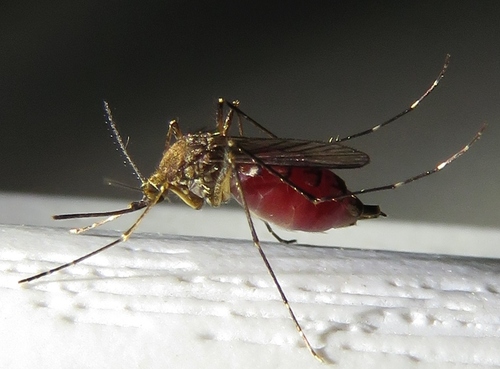
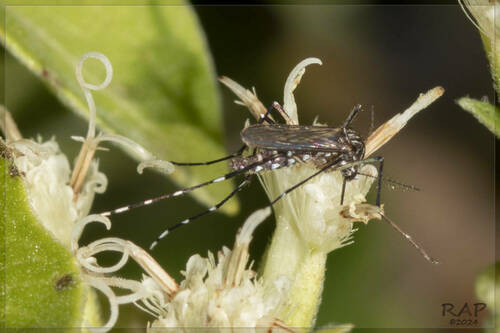
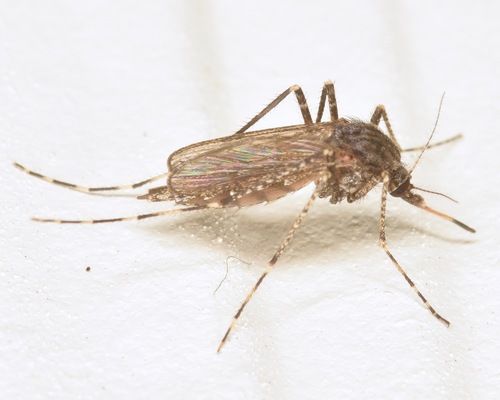
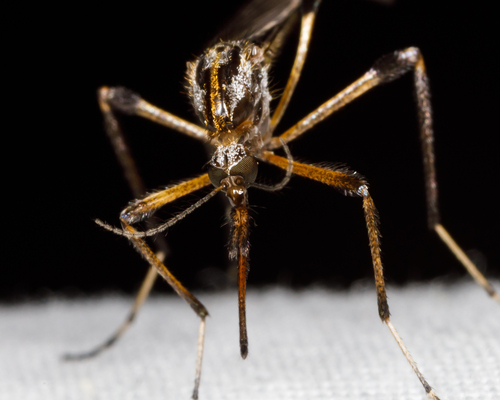
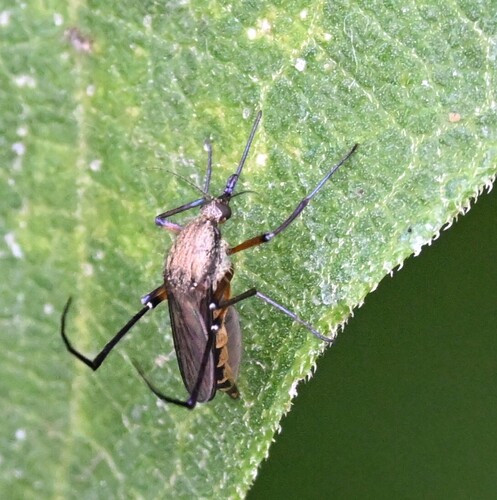
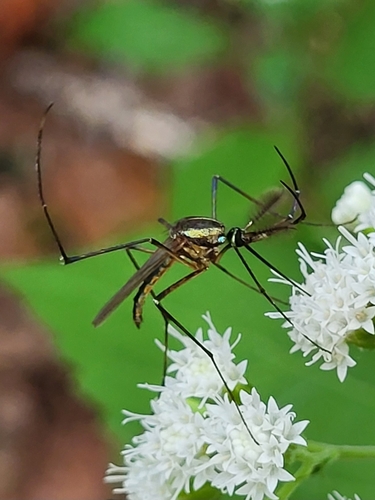
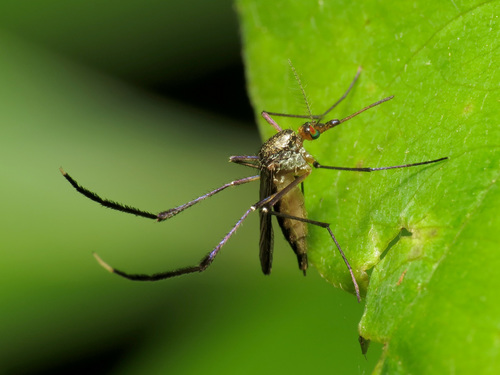
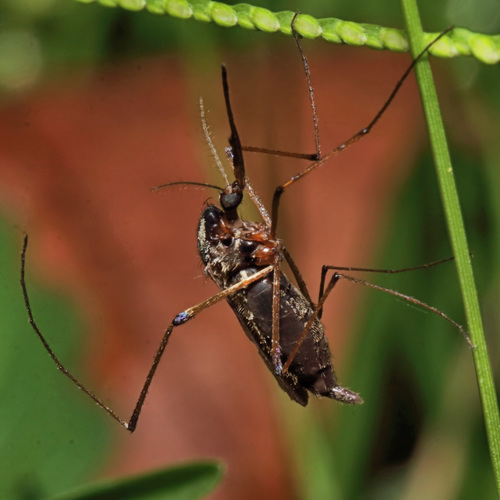
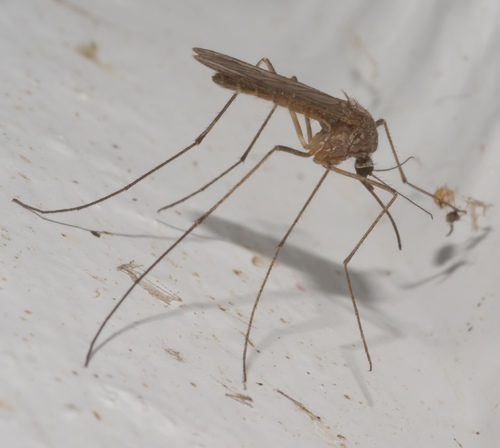
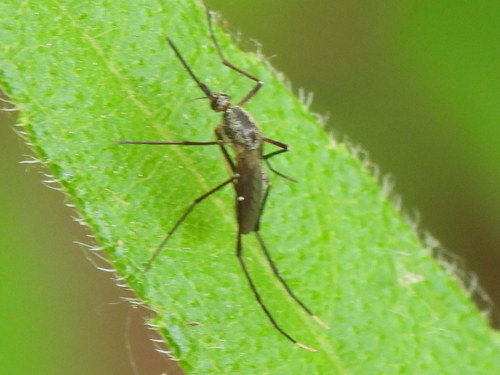
Aedes albopictus (synonym Stegomyia albopicta), from the mosquito (Culicidae) family, also known as the (Asian) tiger mosquito or forest mosquito, is a species of mosquito found in the tropical and subtropical areas of the world.
In the past few centuries, its distribution has expanded along with the expansion of international trade. This mosquito has become a significant pest in many communities because it closely associates with humans and typically flies and feeds in the daytime in addition to at dusk and dawn.
It is often referred to as a “tiger mosquito” because it has white bands on its legs and body, as does a tiger. It is an epidemiologically important disease vector for the transmission of many viral pathogens, including the yellow fever virus, dengue fever, and Chikungunya fever, as well as several filarial nematodes such as Dirofilaria immitis. Aedes albopictus is capable of hosting the Zika virus and is considered a potential vector for Zika transmission among humans.
In 1894, a British-Australian entomologist, Frederick A. Askew Skuse, was the first to scientifically describe the Asian tiger mosquito, which he named Culex albopictus... Wikipedia →