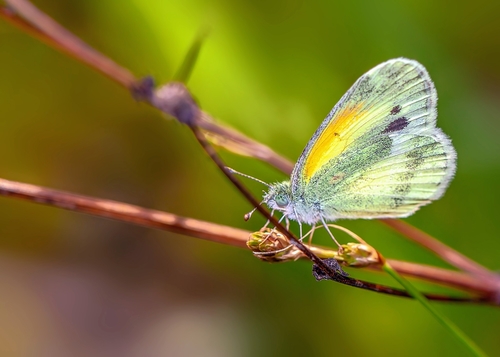
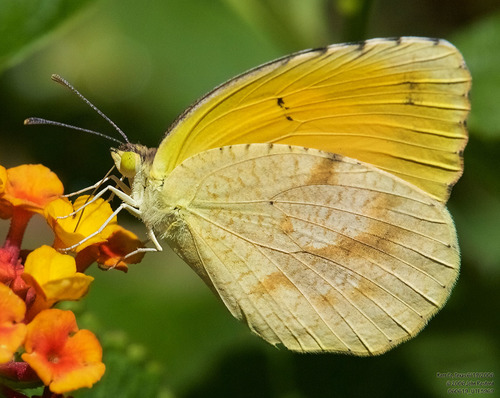
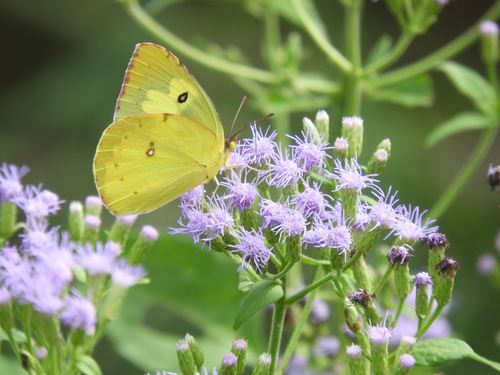
Orange-Barred Sulphur

Orange-Barred Sulphur

Phoebis philea

Daily sighting probability <5% · Rare
at Houston

In 3 days ~10%

5 Verified sightings at Houston
84 In all 8 parks From 2019 to 2026
January Best month
☀️ Diurnal When it's spotted

About the Orange-Barred Sulphur

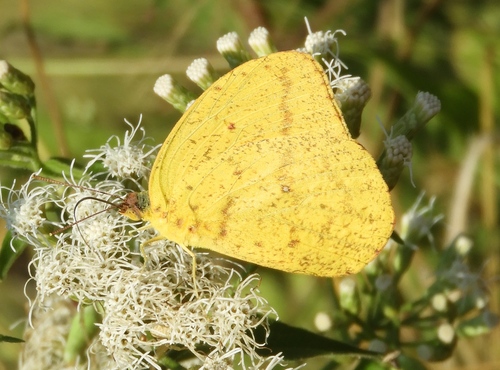
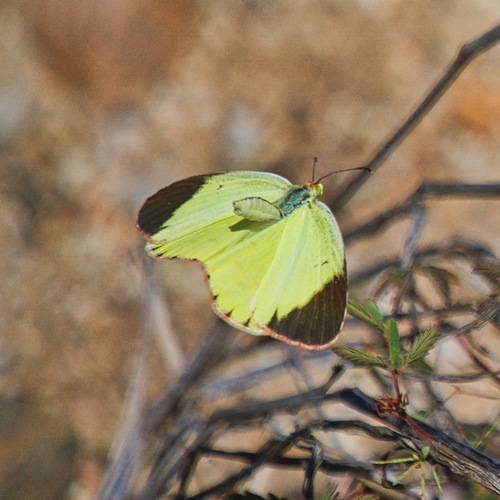
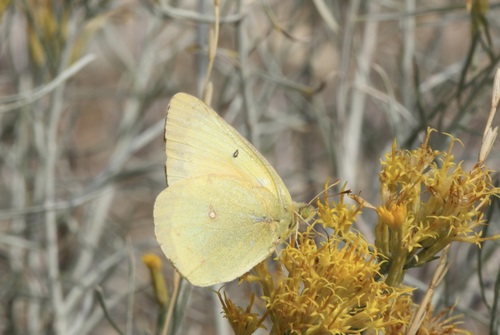
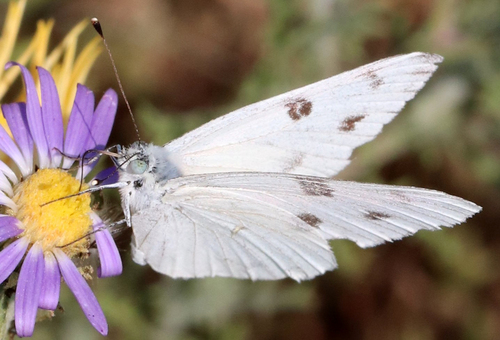
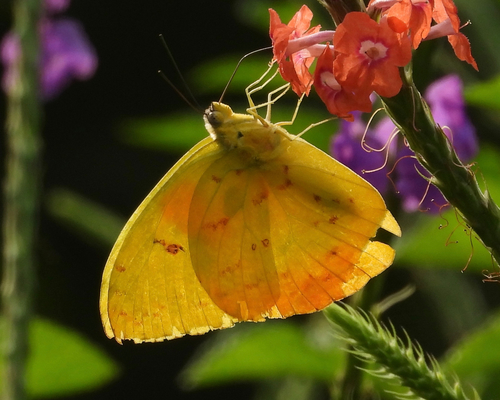
Phoebis philea, the orange-barred sulphur, is a species of butterfly found in the Americas including the Caribbean. The wingspan is 68 to 80 mm. There are two to three generations per year in Florida and one in the northern part of the range with adults on wing from mid to late summer. The species habitat is in tropical scrub, gardens, fields, and forest edges. Orange-barred sulphurs are often found in large dense groups of mixed species, including the statira sulphur (Aphrissa statira), apricot sulphur (Phoebis argante), and the straight-line sulphur (Rhabdodryas trite). The species eats nectar from red-colored plants.

The larvae feed on Cassia species. Wikipedia →

Global Distribution

Parks Where Found

# Park Country Daily sighting probability
1 Ostional Wildlife Refuge 🇨🇷 Costa Rica
~20%
2 Serra dos Órgãos National Park 🇧🇷 Brazil
~20%
3 Lago de Yojoa 🇭🇳 Honduras
~20%
4 Tenorio Volcano National Park 🇨🇷 Costa Rica
~10%
5 Arenal Volcano National Park 🇨🇷 Costa Rica
~10%
6 Merritt Island National Wildlife Refuge 🇺🇸 United States
~10%
7 Soberanía National Park 🇵🇦 Panama
~10%
8 Monteverde Cloud Forest Reserve 🇨🇷 Costa Rica
<5%

Cities Where Found

# City Country Daily sighting probability
1 Toluca 🇲🇽 México
~20%
2 Mexico City 🇲🇽 México
~20%
3 Miami 🇺🇸 United States
~10%
4 Porto Alegre 🇧🇷 Brazil
~10%
5 Puebla 🇲🇽 México
~10%
6 São Paulo 🇧🇷 Brazil
~10%
7 Curitiba 🇧🇷 Brazil
~10%
8 Campinas 🇧🇷 Brazil
~10%
9 San José 🇨🇷 Costa Rica
~10%
10 Belo Horizonte 🇧🇷 Brazil
~10%

Before you go

What are the chances of seeing an Orange-Barred Sulphur in Houston?

Rare

Under 5% of wildlife watchers report an Orange-Barred Sulphur sighting in Houston on a given day, based on 5 verified sightings from GBIF citizen-science data. It is the 978th most-seen of the 1057 insects we can rate there. Over three days the chance rises to about 10%, if each day is a fresh chance.

When is the best time to see an Orange-Barred Sulphur in Houston?

Any time of year

In every month with enough records, under 5% of wildlife watchers report an Orange-Barred Sulphur in Houston on a given day, so our monthly data shows no clear season.

What time of day is best to see an Orange-Barred Sulphur?

Between 9 am and noon

Across all the parks we cover, that three-hour window holds the most Orange-Barred Sulphur sightings with a recorded time, and about 9 in 10 of them come between 6 am and 6 pm: it is a daytime animal.

Is Houston the best place to see an Orange-Barred Sulphur?

14th of 14

Of the 14 cities where we can rate Orange-Barred Sulphur sightings, Houston ranks 14th at under 5%. The best odds are in Toluca (México, about 20%), Mexico City (México, about 20%) and Miami (United States, about 10%).

Where does the Orange-Barred Sulphur sighting chance come from?

GBIF citizen-science records

It is estimated from how often the Orange-Barred Sulphur is recorded against all the insects logged in Houston (5 verified sightings), calibrated against known sighting rates. Figures are rounded to the nearest 10% because citizen-science data supports honest approximations, not decimals, and months with records from fewer than five people show "—". How it works.
← Back to Houston