Ceraunus Blue

Ceraunus Blue

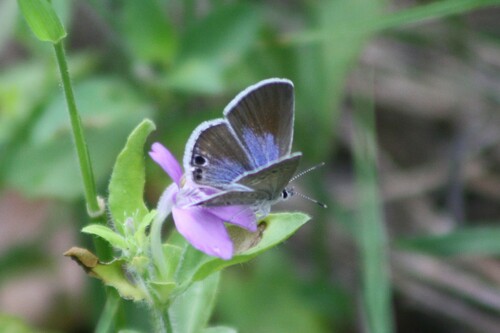
Hemiargus ceraunus

Daily sighting probability <5% · Rare
at Los Angeles

In 3 days ~10% in a week ~20%

33 Verified sightings at Los Angeles
943 In all 12 parks From 2019 to 2026
September Best month
☀️ Diurnal When it's spotted

About the Ceraunus Blue

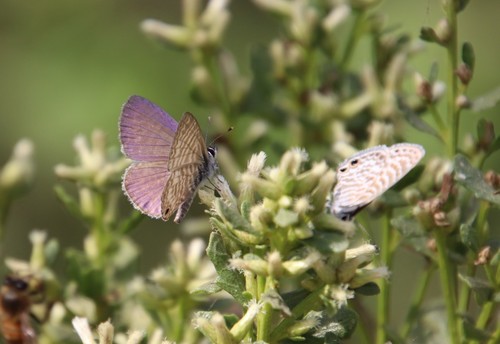
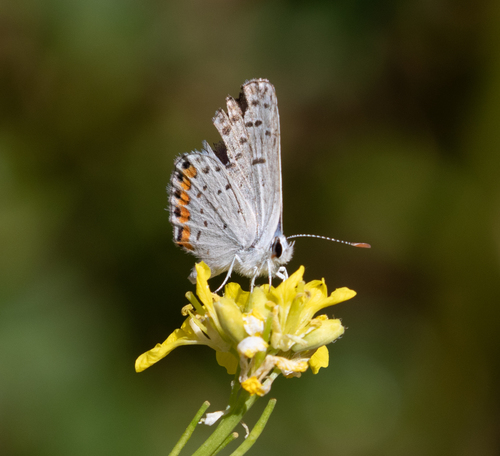
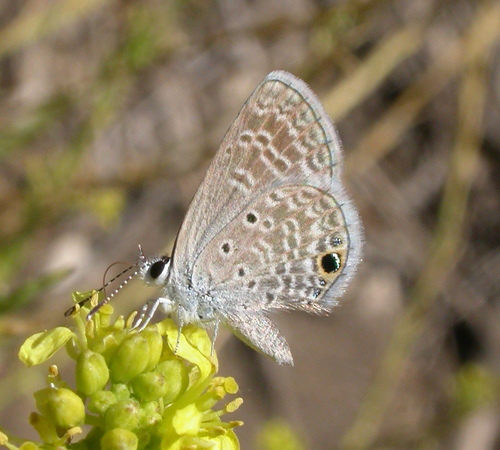
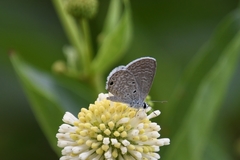
Hemiargus ceraunus, the Ceraunus blue, is a species of butterfly in the family Lycaenidae. The species was first described by Johan Christian Fabricius in 1793. It is found in the southwestern United States, southern Texas, Florida and the Florida Keys south through the West Indies, Mexico and Central America to South America. Strays may be found in North Carolina, Missouri, Kansas and Nevada. The habitat consists of open woodland, desert scrub, dunes, pastures, road edges and vacant lots.

The wingspan is 20–30 mm. Adults are on wing year round in Texas and southern Florida and in late summer in other parts of the range. Adults feed on flower nectar. The larvae feed on the flowers and seedpods of various woody legumes, including Chamaecrista fasciculata, Abrus precatorius and Prosopis species. Wikipedia →
Global Distribution

Parks Where Found

# Park Country Daily sighting probability
1 Padre Island National Seashore 🇺🇸 United States
~30%
2 Ría Lagartos Biosphere Reserve 🇲🇽 Mexico
~30%
3 Merritt Island National Wildlife Refuge 🇺🇸 United States
~30%
4 Bahía de Loreto National Park 🇲🇽 Mexico
~30%
5 Everglades National Park 🇺🇸 United States
~20%
6 Cabo Pulmo National Park 🇲🇽 Mexico
~20%
7 Saguaro National Park 🇺🇸 United States
~20%
8 Joshua Tree National Park 🇺🇸 United States
~20%
9 Big Cypress National Preserve 🇺🇸 United States
~10%
10 Gandoca-Manzanillo Wildlife Refuge 🇨🇷 Costa Rica
~10%
11 Cumbres de Monterrey National Park 🇲🇽 Mexico
~10%
12 Cañón del Sumidero National Park 🇲🇽 Mexico
~10%

Cities Where Found

# City Country Daily sighting probability
1 Santo Domingo 🇩🇴 Dominican Republic
~20%
2 San Antonio 🇺🇸 United States
~20%
3 San Pedro Sula 🇭🇳 Honduras
~10%
4 Torreón 🇲🇽 México
~10%
5 Monterrey 🇲🇽 México
~10%
6 Austin 🇺🇸 United States
~10%
7 Miami 🇺🇸 United States
~10%
8 Mesa 🇺🇸 United States
~10%
9 Phoenix 🇺🇸 United States
~10%
10 Orlando 🇺🇸 United States
~10%

Before you go

What are the chances of seeing a Ceraunus Blue in Los Angeles?

Rare

Under 5% of wildlife watchers report a Ceraunus Blue sighting in Los Angeles on a given day, based on 33 verified sightings from GBIF citizen-science data. It is the 318th most-seen of the 851 insects we can rate there. Over three days the chance rises to about 10%, and over a week to about 20%, if each day is a fresh chance.

When is the best time to see a Ceraunus Blue in Los Angeles?

Any time of year

In every month with enough records, under 5% of wildlife watchers report a Ceraunus Blue in Los Angeles on a given day, so our monthly data shows no clear season.

What time of day is best to see a Ceraunus Blue?

Between 10 am and 1 pm

Across all the parks we cover, that three-hour window holds the most Ceraunus Blue sightings with a recorded time, and nearly all of them come between 6 am and 6 pm: it is a daytime animal.

Is Los Angeles the best place to see a Ceraunus Blue?

18th of 18

Of the 18 cities where we can rate Ceraunus Blue sightings, Los Angeles ranks 18th at under 5%. The best odds are in Santo Domingo (Dominican Republic, about 20%), San Antonio (United States, about 20%) and San Pedro Sula (Honduras, about 10%).

Which relatives of the Ceraunus Blue live in Los Angeles?

Same family: Lycaenidae

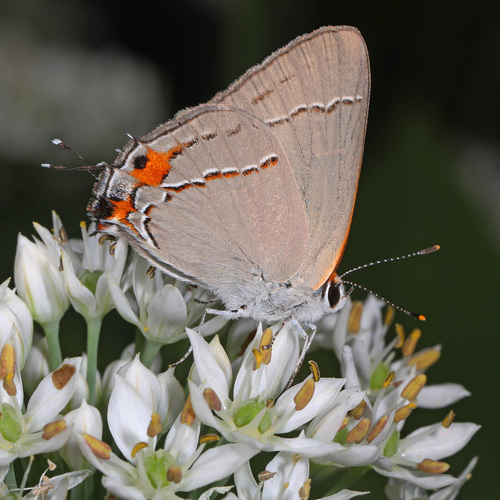
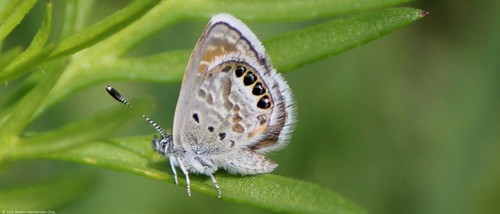
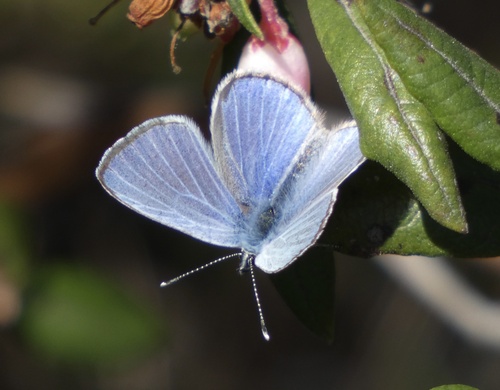
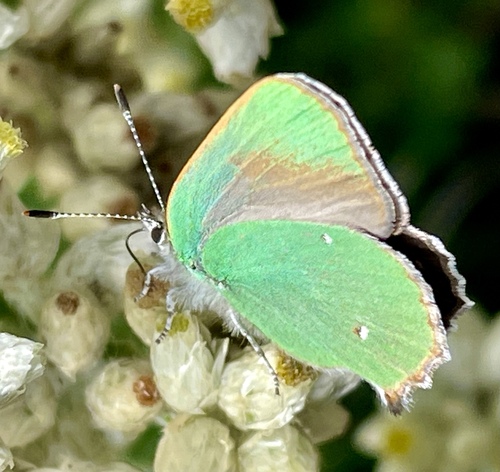
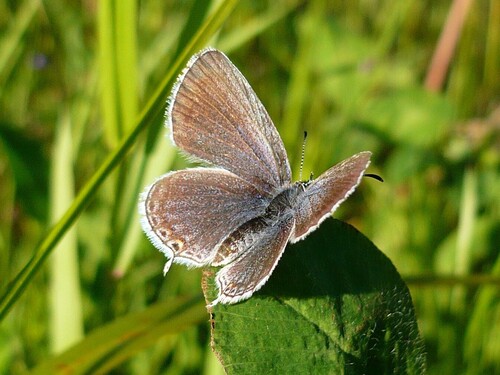
The closest relatives of the Ceraunus Blue that you can see in Los Angeles (family Lycaenidae, Gossamer-winged Butterflies) are Marine Blue (about 10%), Gray Hairstreak (about 10%) and Western Pygmy-Blue (about 10%), with each one's daily chance of a sighting.

Where does the Ceraunus Blue sighting chance come from?

GBIF citizen-science records

It is estimated from how often the Ceraunus Blue is recorded against all the insects logged in Los Angeles (33 verified sightings), calibrated against known sighting rates. Figures are rounded to the nearest 10% because citizen-science data supports honest approximations, not decimals, and months with records from fewer than five people show "—". How it works.

← Back to Los Angeles