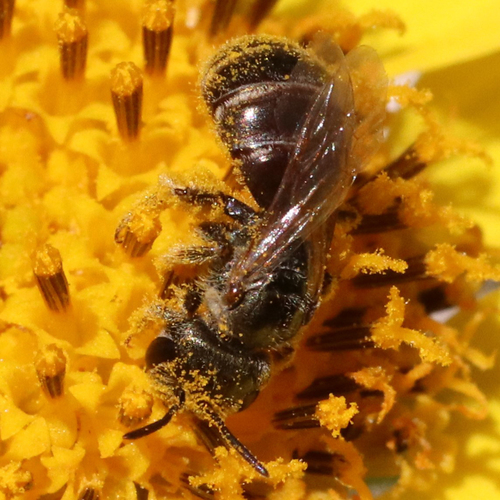
Western Yellowjacket

Western Yellowjacket

Vespula pensylvanica

Daily sighting probability ~10% · With luck
at Los Angeles

In 3 days ~20% in a week ~30%

339 Verified sightings at Los Angeles
153 In all 9 parks From 2019 to 2026
November Best month
☀️ Diurnal When it's spotted

About the Western Yellowjacket

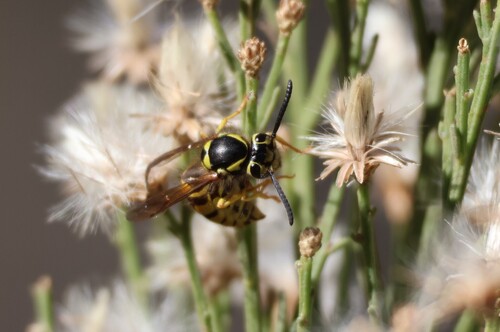
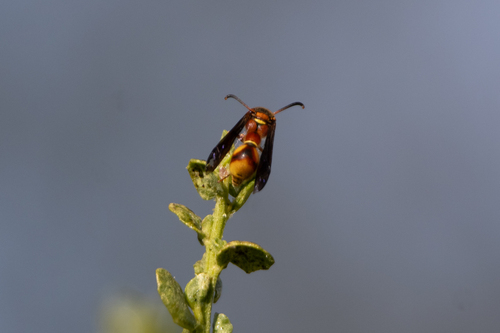
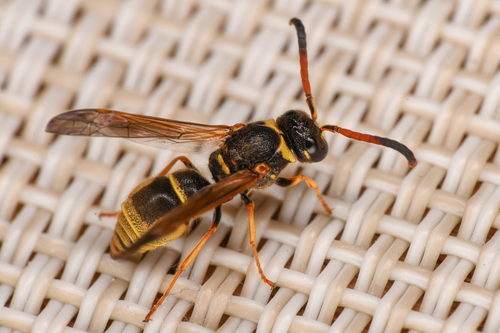
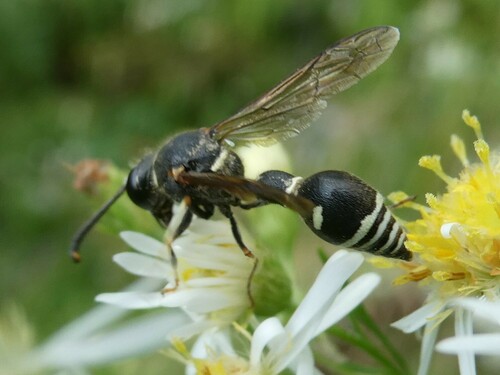
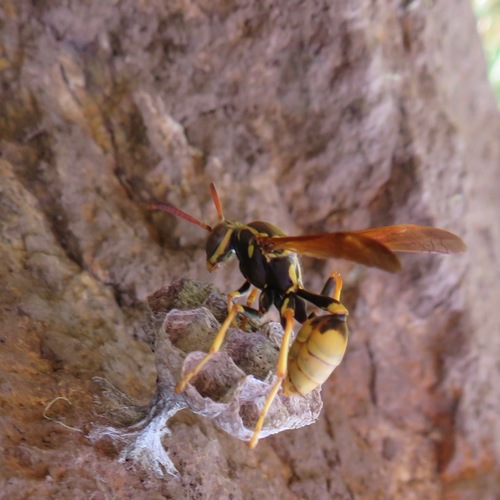
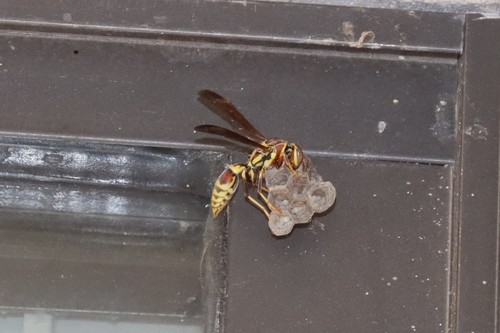
Vespula pensylvanica, the western yellowjacket (western yellow jacket), is a Nearctic species of wasp in the genus Vespula. It is native to regions of North America, largely in areas with northern temperate climates. Its reproductive behavior is constrained by cold weather, which successfully reduces the number of western yellowjackets in cold months. However, in the absence of cold weather, this wasp's population can explode. The western yellowjacket has become particularly invasive in the Hawaiian Islands, resulting in their label as a major pest.

V. pensylvanica was originally named by de Saussure in 1857; it falls into the subgenus Paravespula, within Vespula. Paravespula consists of 11 species, which have been divided into four groups on the basis of morphological differences. V. pensylvanica falls into the same group as V. germanica. With the exception of Allovespula, the subgenera recognized within Vespula are natural groups. The separation of Rugovespula and Paravespula appears to be monophyletic; however, this is not well established.

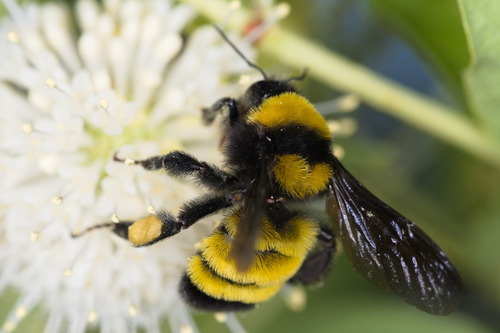
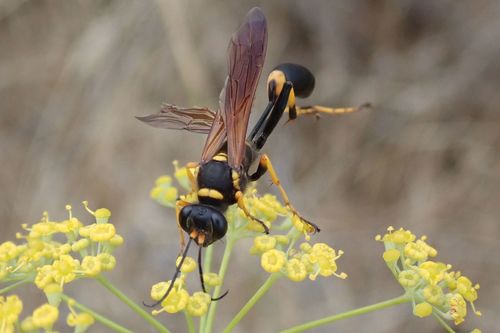
The western yellowjacket shares the basic yellow and black pattern with other... Wikipedia →

Global Distribution

Parks Where Found

# Park Country Daily sighting probability
1 Channel Islands National Park 🇺🇸 United States
~20%
2 Zion National Park 🇺🇸 United States
~10%
3 Sequoia and Kings Canyon National Parks 🇺🇸 United States
~10%
4 Grand Canyon National Park 🇺🇸 United States
~10%
5 Yosemite National Park 🇺🇸 United States
~10%
6 Olympic National Park 🇺🇸 United States
~10%
7 Great Bear Rainforest 🇨🇦 Canada
~10%
8 Rocky Mountain National Park 🇺🇸 United States
~10%
9 Joshua Tree National Park 🇺🇸 United States
<5%

Cities Where Found

# City Country Daily sighting probability
1 Salt Lake City 🇺🇸 United States
~10%
2 Sacramento 🇺🇸 United States
~10%
3 Calgary 🇨🇦 Canada
~10%
4 Denver 🇺🇸 United States
~10%
5 San Francisco 🇺🇸 United States
~10%
6 Vancouver 🇨🇦 Canada
~10%
7 Edmonton 🇨🇦 Canada
~10%
8 Portland 🇺🇸 United States
~10%
9 Seattle 🇺🇸 United States
~10%
10 San Diego 🇺🇸 United States
~10%

Before you go

What are the chances of seeing a Western Yellowjacket in Los Angeles?

With luck

About 10% of wildlife watchers report a Western Yellowjacket sighting in Los Angeles on a given day, based on 339 verified sightings from GBIF citizen-science data. It is the 79th most-seen of the 851 insects we can rate there. Over three days the chance rises to about 20%, and over a week to about 30%, if each day is a fresh chance.

When is the best time to see a Western Yellowjacket in Los Angeles?

July to December

In those months about 10% of wildlife watchers report a Western Yellowjacket in Los Angeles on a given day, against under 5% in January to June, the lowest months.

What time of day is best to see a Western Yellowjacket?

Between noon and 3 pm

Across all the parks we cover, that three-hour window holds the most Western Yellowjacket sightings with a recorded time, and about 9 in 10 of them come between 6 am and 6 pm: it is a daytime animal.

Is Los Angeles the best place to see a Western Yellowjacket?

Among the best

Of the 11 cities where we can rate Western Yellowjacket sightings, Los Angeles ranks 11th at about 10%, level with the leaders once rounded. The best odds are in Salt Lake City (United States, about 10%), Sacramento (United States, about 10%) and Calgary (Canada, about 10%).

Where does the Western Yellowjacket sighting chance come from?

GBIF citizen-science records

It is estimated from how often the Western Yellowjacket is recorded against all the insects logged in Los Angeles (339 verified sightings), calibrated against known sighting rates. Figures are rounded to the nearest 10% because citizen-science data supports honest approximations, not decimals, and months with records from fewer than five people show "—". How it works.

← Back to Los Angeles