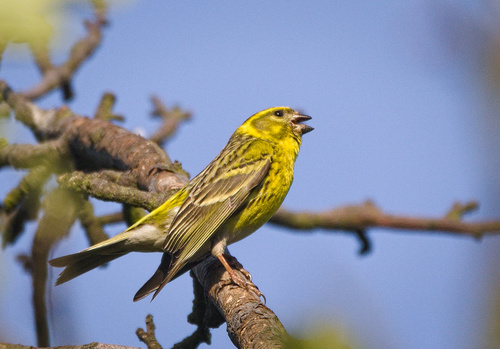
Red-necked Nightjar

Red-necked Nightjar

Caprimulgus ruficollis

Silhouette: Ferran Sayol · PhyloPic

LCNTNear ThreatenedVUENCR
Daily sighting probability <5% · Rare
at Madrid

In 3 days <5%

105 Verified sightings at Madrid
222 In all 3 parks From 2019 to 2026
August Best month
☀️🌙 Day & Night When it's spotted

About the Red-necked Nightjar

The red-necked nightjar (Caprimulgus ruficollis) is the largest of the nightjars occurring in Europe. It breeds in Iberia and North Africa, and winters in tropical West Africa. Caprimulgus is derived from the Latin capra, "nanny goat", and mulgere, "to milk", referring to an old myth that nightjars suck milk from goats. The specific ruficollis is from Latin rufus, "red", and collum, "neck".

The common name "nightjar", first recorded in 1630, refers to the nocturnal habits of the bird, the second part of the name deriving from the distinctive churring song. There are two subspecies: nominate ruficollis, breeding in Iberia, and desertorum breeding in North Africa. The North African form desertorum is paler than the Iberian one, and has different patterning on the base of its primary feathers: dark and orange bands of approximately equal width, compared to the narrower orange bands and greater extent of black of ruficollis.

The variegated plumage resembles the European nightjar. The adult is lichen-grey, barred and streaked with buff, chestnut and black. The underparts are barred. It is larger and longer-tailed than the more widespread species, and has... Wikipedia →

Sounds

Song0:09

France · 2025

© Vincent Pourchaire · XC1056064 · CC BY-NC-SA 4.0

Flight call0:09

Spain · 2022

© SonoNatura · XC750486 · CC BY-NC-SA 4.0

Call0:12

Spain · 2018

© Joost van Bruggen · XC431995 · CC BY-SA 4.0

Global Distribution

Parks Where Found

# Park Country Daily sighting probability
1 Monfragüe National Park 🇪🇸 Spain
<5%
2 Doñana National Park 🇪🇸 Spain
<5%
3 Sierra de Guadarrama National Park 🇪🇸 Spain
<5%

Cities Where Found

# City Country Daily sighting probability
1 Madrid 🇪🇸 Spain
<5%
2 Valencia 🇪🇸 Spain
<5%

Before you go

What are the chances of seeing a Red-necked Nightjar in Madrid?

Rare

Under 5% of wildlife watchers report a Red-necked Nightjar sighting in Madrid on a given day, based on 105 verified sightings from GBIF citizen-science data. It is the 143rd most-seen of the 196 birds we can rate there. Over three days the chance rises to under 5%, if each day is a fresh chance.

When is the best time to see a Red-necked Nightjar in Madrid?

Any time of year

In every month with enough records, under 5% of wildlife watchers report a Red-necked Nightjar in Madrid on a given day, so our monthly data shows no clear season.

What time of day is best to see a Red-necked Nightjar?

Between 9 pm and midnight

Across all the parks we cover, that three-hour window holds the most Red-necked Nightjar sightings with a recorded time, and about 7 in 10 of them come between 6 pm and 6 am: it is seen both by day and at night.

Is Madrid the best place to see a Red-necked Nightjar?

Yes

Of the 2 cities where we can rate Red-necked Nightjar sightings, Madrid has the highest daily chance: under 5%. Next come Valencia (Spain, under 5%).

Where does the Red-necked Nightjar sighting chance come from?

GBIF citizen-science records

It is estimated from how often the Red-necked Nightjar is recorded against all the birds logged in Madrid (105 verified sightings), calibrated against known sighting rates. Figures are rounded to the nearest 10% because citizen-science data supports honest approximations, not decimals, and months with records from fewer than five people show "—". How it works.

← Back to Madrid