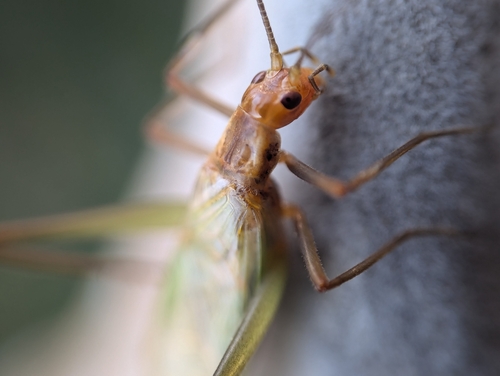
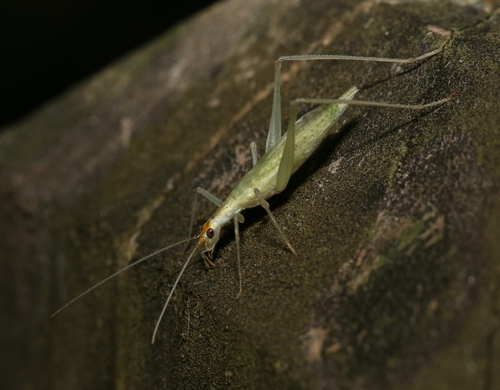

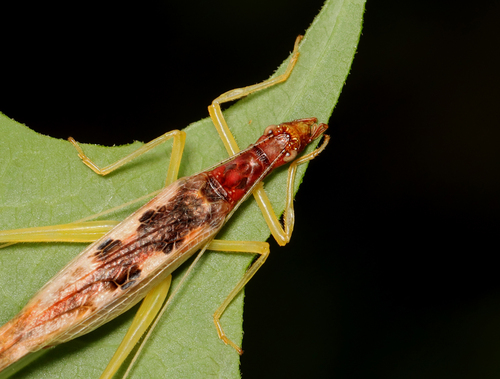
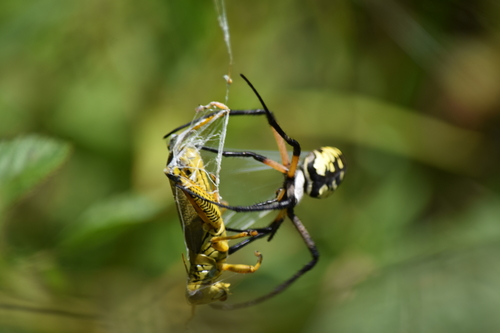
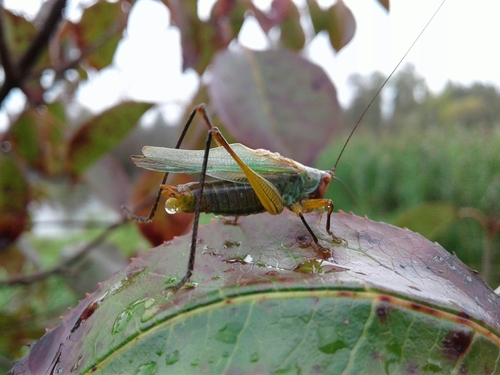
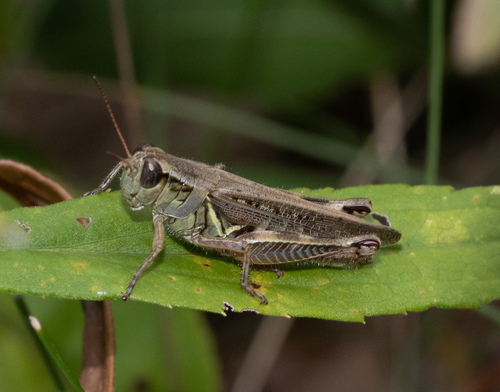
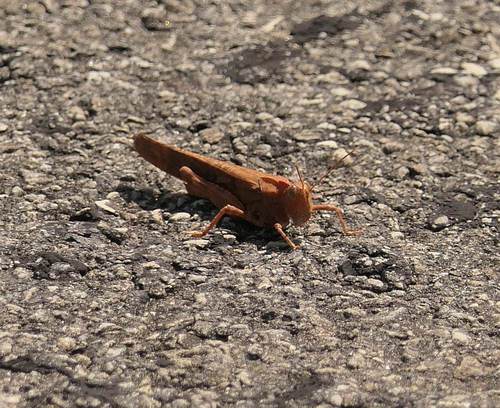
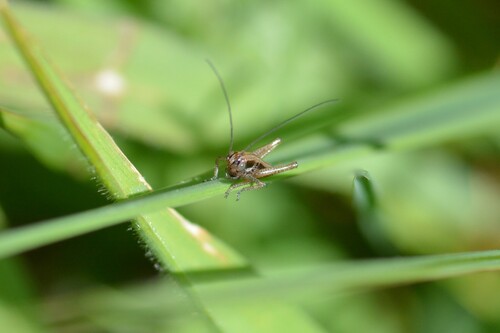
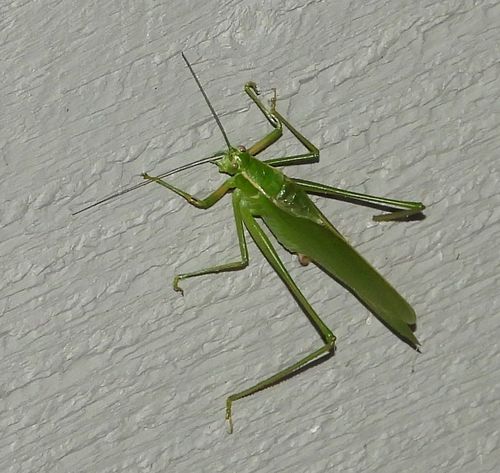
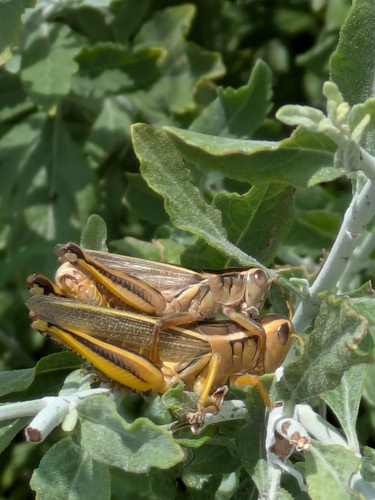
Pine Tree Cricket

Pine Tree Cricket

Oecanthus pini

Daily sighting probability <5% · Rare
at Minneapolis [Saint Paul]

In 3 days ~10% in a week ~20%

15 Verified sightings at Minneapolis [Saint Paul]
September Best month

About the Pine Tree Cricket

Oecanthus pini, the pine tree cricket, is a species of tree cricket in the family Oecanthidae. It is found in North America. Wikipedia →

Global Distribution

Parks Where Found

# Park Country Daily sighting probability

More parks will be added in future updates.

Cities Where Found

# City Country Daily sighting probability
1 Detroit 🇺🇸 United States
~10%
2 Boston 🇺🇸 United States
<5%
3 Minneapolis [Saint Paul] 🇺🇸 United States
<5%
4 Montreal 🇨🇦 Canada
<5%
5 Toronto 🇨🇦 Canada
<5%
6 Chicago 🇺🇸 United States
<5%

Before you go

What are the chances of seeing a Pine Tree Cricket in Minneapolis [Saint Paul]?

Rare

Under 5% of wildlife watchers report a Pine Tree Cricket sighting in Minneapolis [Saint Paul] on a given day, based on 15 verified sightings from GBIF citizen-science data. It is the 342nd most-seen of the 672 insects we can rate there. Over three days the chance rises to about 10%, and over a week to about 20%, if each day is a fresh chance.

When is the best time to see a Pine Tree Cricket in Minneapolis [Saint Paul]?

September

In that month about 10% of wildlife watchers report a Pine Tree Cricket in Minneapolis [Saint Paul] on a given day, against under 5% in October to August, the lowest months.

Is Minneapolis [Saint Paul] the best place to see a Pine Tree Cricket?

3rd of 6

Of the 6 cities where we can rate Pine Tree Cricket sightings, Minneapolis [Saint Paul] ranks 3rd at under 5%. The best odds are in Detroit (United States, about 10%) and Boston (United States, under 5%).

Where does the Pine Tree Cricket sighting chance come from?

GBIF citizen-science records

It is estimated from how often the Pine Tree Cricket is recorded against all the insects logged in Minneapolis [Saint Paul] (15 verified sightings), calibrated against known sighting rates. Figures are rounded to the nearest 10% because citizen-science data supports honest approximations, not decimals, and months with records from fewer than five people show "—". How it works.

← Back to Minneapolis [Saint Paul]