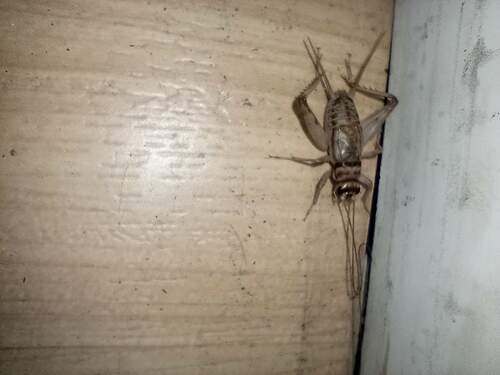
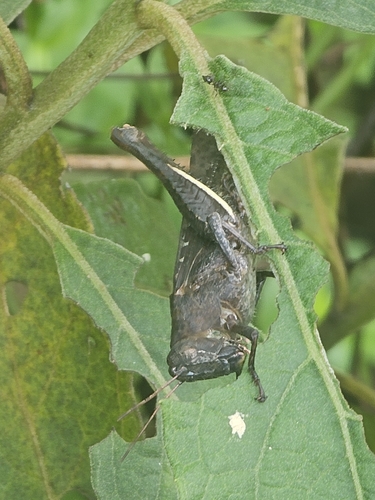
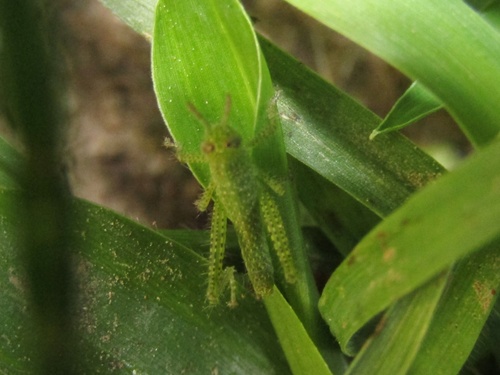
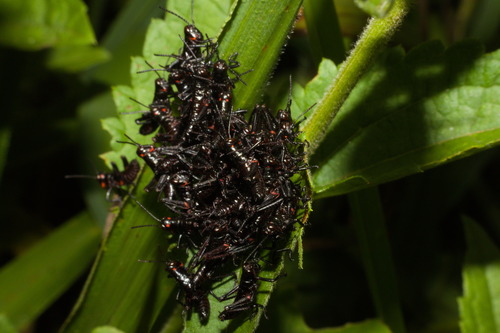
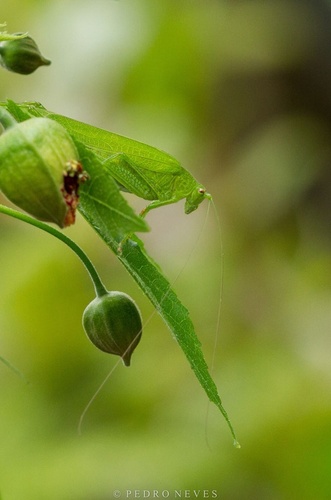
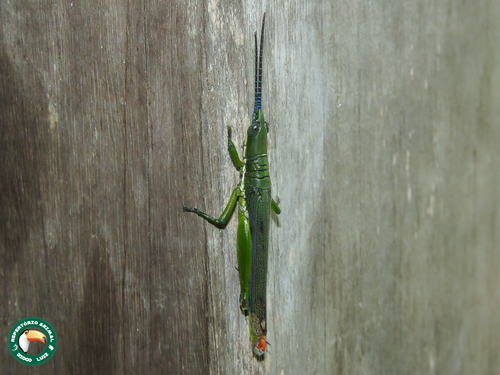
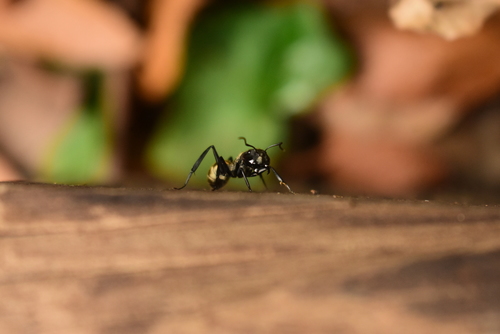


Tropical House Cricket

Tropical House Cricket

Gryllodes sigillatus

Daily sighting probability <5% · Rare
at Rio de Janeiro

In 3 days ~10% in a week ~30%

5 Verified sightings at Rio de Janeiro
55 In all 5 parks From 2019 to 2026
January Best month
🌙 Nocturnal When it's spotted

About the Tropical House Cricket

Gryllodes sigillatus, the tropical house cricket, Indian house cricket or banded cricket, is a small cricket probably native to southwestern Asia, but has spread throughout tropical regions worldwide. Like its relative the house cricket, the tropical house cricket is also raised commercially for feeding certain pets such as reptiles, birds, amphibians, and insectivorous arthropods. Wikipedia →

Global Distribution

Parks Where Found

# Park Country Daily sighting probability
1 Everglades National Park 🇺🇸 United States
~10%
2 Joshua Tree National Park 🇺🇸 United States
~10%
3 Cumbres de Monterrey National Park 🇲🇽 Mexico
<5%
4 Saguaro National Park 🇺🇸 United States
<5%
5 Table Mountain National Park 🇿🇦 South Africa
<5%

Cities Where Found

# City Country Daily sighting probability
1 Cochabamba 🇧🇴 Bolivia
~20%
2 Davao City 🇵🇭 Philippines
~20%
3 Mesa 🇺🇸 United States
~20%
4 Puebla 🇲🇽 México
~10%
5 Phoenix 🇺🇸 United States
~10%
6 Las Vegas 🇺🇸 United States
~10%
7 Tijuana 🇲🇽 México
~10%
8 Los Angeles 🇺🇸 United States
~10%
9 Mexico City 🇲🇽 México
~10%
10 Torreón 🇲🇽 México
~10%

Before you go

What are the chances of seeing a Tropical House Cricket in Rio de Janeiro?

Rare

Under 5% of wildlife watchers report a Tropical House Cricket sighting in Rio de Janeiro on a given day, based on 5 verified sightings from GBIF citizen-science data. It is the 136th most-seen of the 169 insects we can rate there. Over three days the chance rises to about 10%, and over a week to about 30%, if each day is a fresh chance.

When is the best time to see a Tropical House Cricket in Rio de Janeiro?

March–April and December–January

In those months about 10% of wildlife watchers report a Tropical House Cricket in Rio de Janeiro on a given day, against under 5% in February and May–November, the lowest months. Those are among Rio de Janeiro's wettest months, with about 180 mm of rain a month against 40 mm in August.

What time of day is best to see a Tropical House Cricket?

Between 7 and 10 pm

Across all the parks we cover, that three-hour window holds the most Tropical House Cricket sightings with a recorded time, and about 8 in 10 of them come between 6 pm and 6 am: it is mostly seen at night.

Is Rio de Janeiro the best place to see a Tropical House Cricket?

30th of 41

Of the 41 cities where we can rate Tropical House Cricket sightings, Rio de Janeiro ranks 30th at under 5%. The best odds are in Cochabamba (Bolivia, about 20%), Davao City (Philippines, about 20%) and Mesa (United States, about 20%).

Which relatives of the Tropical House Cricket live in Rio de Janeiro?

Same order: Orthoptera

The closest relatives of the Tropical House Cricket that you can see in Rio de Janeiro (order Orthoptera, Grasshoppers, Crickets, and Katydids) are Abracris flavolineata (about 10%), Schistocerca flavofasciata (about 10%) and Soldier Grasshopper (about 10%), with each one's daily chance of a sighting.

Where does the Tropical House Cricket sighting chance come from?

GBIF citizen-science records

It is estimated from how often the Tropical House Cricket is recorded against all the insects logged in Rio de Janeiro (5 verified sightings), calibrated against known sighting rates. Figures are rounded to the nearest 10% because citizen-science data supports honest approximations, not decimals, and months with records from fewer than five people show "—". How it works.

← Back to Rio de Janeiro