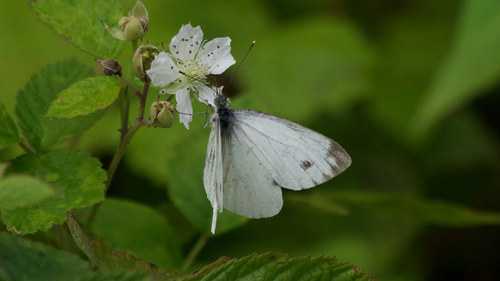
Grayling

Grayling

Hipparchia semele

Daily sighting probability ~10% · With luck
at Stockholm

In 3 days ~30% in a week ~50%

25 Verified sightings at Stockholm
448 In all 7 parks From 2019 to 2026
August Best month
☀️ Diurnal When it's spotted

About the Grayling

The grayling or rock grayling (Hipparchia semele) is a species in the brush-footed butterfly family Nymphalidae. Although found all over Europe, the grayling mostly inhabits coastal areas, with inland populations declining significantly in recent years. The grayling lives in dry and warm habitats with easy access to the sun, which helps them with body temperature regulation.

A grayling goes through four stages in its life cycle. The eggs hatch around August, and larvae grow in four instars from August to the following June. By June, the larvae begin to pupate by spinning a silk cocoon below the surface of the ground. The adult grayling emerges around August. The grayling migrates in small groups of two or three butterflies throughout most of August, typically moving southeast.

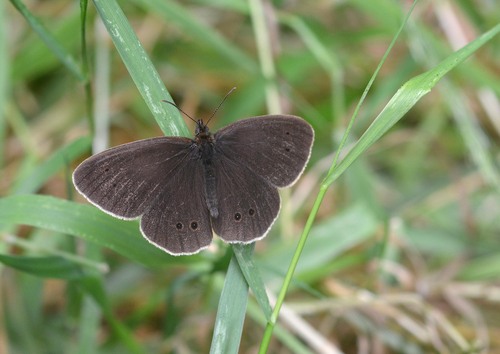
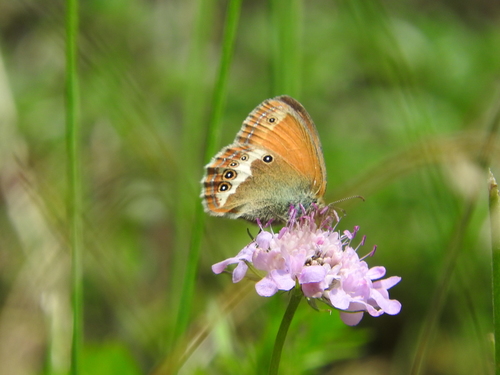
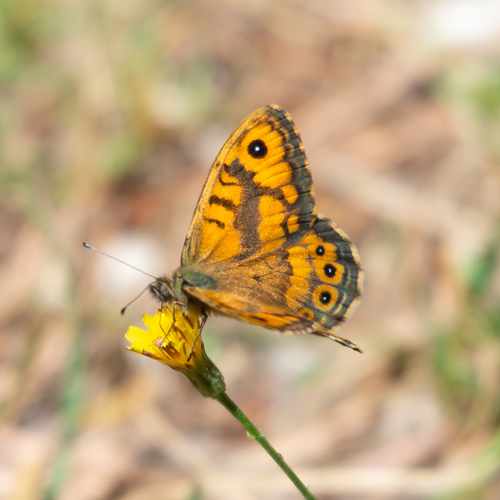
H. semele engages in cryptic coloring, with their tan and brown colored wings helping them camouflage into their surroundings. The grayling exposes the eyespots on its wings when it believes to have been detected by a predator, but generally keeps them hidden to avoid being seen. Male butterflies are territorial, and engage in flight performances to determine who settles in the best oviposition site. Additionally, the grayling regulates its body temperature by orienting its body and posture to adjust to the heat from the sun.

Grayling populations have recently begun to decline, and while it is not globally endangered, the species is now considered a priority for conservation efforts in the United Kingdom. Wikipedia →
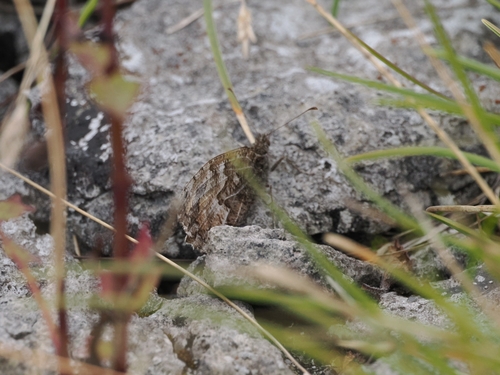

Global Distribution

Parks Where Found

# Park Country Daily sighting probability
1 Cévennes National Park 🇫🇷 France
~30%
2 Sierra Nevada National Park 🇪🇸 Spain
~20%
3 Sierra de Guadarrama National Park 🇪🇸 Spain
~10%
4 Vanoise National Park 🇫🇷 France
~10%
5 Wadden Sea National Park 🇩🇪 Germany
~10%
6 Mercantour National Park 🇫🇷 France
~10%
7 Pyrénées National Park 🇫🇷 France
<5%

Cities Where Found

# City Country Daily sighting probability
1 Stockholm 🇸🇪 Sweden
~10%
2 Prague 🇨🇿 Czechia
~10%
3 Liverpool 🇬🇧 United Kingdom
<5%

Before you go

What are the chances of seeing a Grayling in Stockholm?

With luck

About 10% of wildlife watchers report a Grayling sighting in Stockholm on a given day, based on 25 verified sightings from GBIF citizen-science data. It is the 25th most-seen of the 202 insects we can rate there. Over three days the chance rises to about 30%, and over a week to about 50%, if each day is a fresh chance.

When is the best time to see a Grayling in Stockholm?

July and August

In those months about 20% of wildlife watchers report a Grayling in Stockholm on a given day, against under 5% in September to June, the lowest months.

What time of day is best to see a Grayling?

Between 11 am and 2 pm

Across all the parks we cover, that three-hour window holds the most Grayling sightings with a recorded time, and about 9 in 10 of them come between 6 am and 6 pm: it is a daytime animal.

Is Stockholm the best place to see a Grayling?

Yes

Of the 3 cities where we can rate Grayling sightings, Stockholm has the highest daily chance: about 10%. Next come Prague (Czechia, about 10%) and Liverpool (United Kingdom, under 5%).

Which relatives of the Grayling live in Stockholm?

Same family: Nymphalidae

The closest relatives of the Grayling that you can see in Stockholm (family Nymphalidae, Brush-footed Butterflies) are European Peacock Butterfly (about 10%), Red Admiral (about 10%) and Small Tortoiseshell (about 10%), with each one's daily chance of a sighting.

Where does the Grayling sighting chance come from?

GBIF citizen-science records

It is estimated from how often the Grayling is recorded against all the insects logged in Stockholm (25 verified sightings), calibrated against known sighting rates. Figures are rounded to the nearest 10% because citizen-science data supports honest approximations, not decimals, and months with records from fewer than five people show "—". How it works.

← Back to Stockholm