



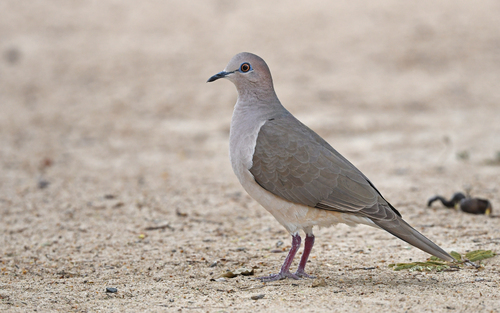








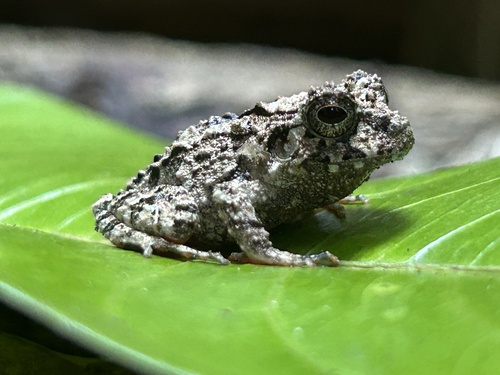


All 4 in 3 days here: ~30%
Piedras Blancas National Park
🇨🇷 Costa Rica
Osa Peninsula, Costa Rica 1068 spp. recorded
Sharing the same rich lowland rainforest as its famous neighbor Corcovado, Piedras Blancas protects one of Costa Rica's last pristine tropical forests along the shores of the Golfo Dulce. With 96 mammal species, 375+ birds, resident dolphin pods, and a fraction of the visitors, this is the Osa Peninsula's best-kept wildlife secret.
8.703° N 83.268° W
🦜 Nature

568 Species sighted
108,870 Verified sightings From 2019 to 2026
Mar Best month
⭐ Iconic Species
📊 Most Spotted
⭐ Iconic Species
📊 Most Spotted
⭐ Iconic Species
📊 Most Spotted
📊 Most Spotted
📊 Most Spotted
📊 Most Spotted
🌙 Most active after dark
+ 555 more species with insufficient data
Challenges you can complete here


All 5 in 3 days here: ~50%


All 4 in 3 days here: ~30%
All 4 in 3 days here: ~20%
Recent sightings in Piedras Blancas National Park
LIVEiNaturalistSighting Calendar
How many species you'd see in a day
83Jan
91Feb
95Mar
82Apr
76May
71Jun
81Jul
76Aug
63Sep
67Oct
62Nov
69Dec
Sighting Zones
Warmer areas are where all species together are recorded most often.
-
Esquinas Rainforest Lodge
Daily sight. prob.vs avg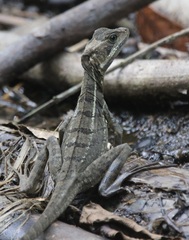 Common Basilisk~90%+10%
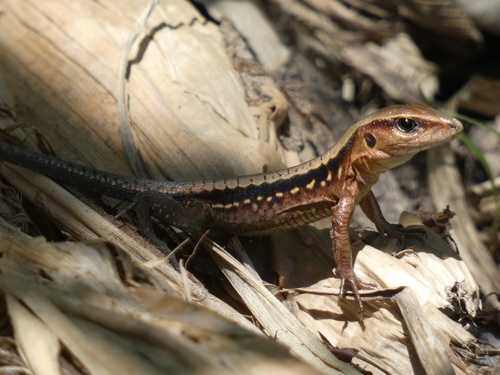
 Many-scaled Anole~80%+10%
 Central American Agouti~80%+20%
 Common Caiman~80%+20%
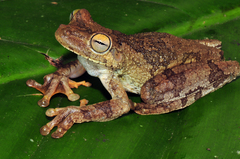 Rosenberg's Gladiator Frog~80%+20%
 Red-eyed Treefrog~70%+10%
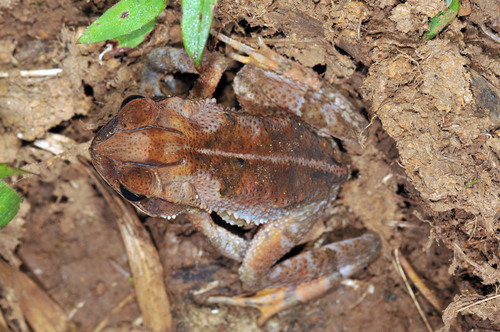
 Giant Marine Toad~70%+10%
 Fer-de-lance~70%+10%
 Savage's Thin-toed Frog~70%+10%
 Guayaquil Dwarf Frog~70%+20%
 Green Climbing Toad~60%+20%
 Scarlet-rumped Tanager~60%-10%
-
Quebrada Balsa
Daily sight. prob.vs avg- Common Basilisk~70%≈
- Giant Marine Toad~70%+10%
- Red-eyed Treefrog~70%+10%
- Savage's Thin-toed Frog~70%+20%
 Scarlet Macaw~70%+40%
- Many-scaled Anole~70%≈
 Masked Tree Frog~60%+20%
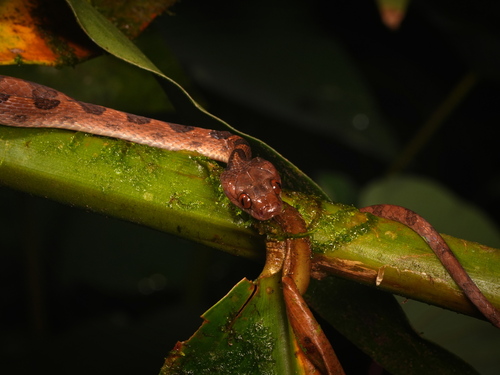
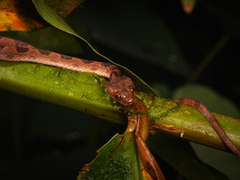 Ornate Cat-eyed Snake~60%+20%
 Turniptail Gecko~60%+20%
- Common Caiman~60%≈
 Middle American Ameiva~60%+10%
- Central American Agouti~50%-10%
-
Playa Cativo
Daily sight. prob.vs avg- Central American Agouti~80%+10%
- Masked Tree Frog~70%+30%
 White-nosed Coati~70%+20%
 Northern Tamandua~70%+30%
- Red-eyed Treefrog~70%+10%
- Scarlet-rumped Tanager~60%-10%
 Central American Squirrel Monkey~60%+20%
 Mantled Howler Monkey~60%+30%
 Black-mandibled Toucan~60%≈
- Scarlet Macaw~60%+30%
 Rufous-tailed Hummingbird~50%≈
- Ornate Cat-eyed Snake~50%+10%
-
Alto Los Mogos
Daily sight. prob.vs avg- Fer-de-lance~80%+20%
- Middle American Ameiva~70%+20%
 Central American White-faced Capuchin~70%+30%
 Delicate Ameiva~70%+30%
- White-nosed Coati~60%+20%
 Bottlenose Dolphin~60%+30%
 Bighead Anole~60%+30%
- Many-scaled Anole~60%-10%
- Central American Squirrel Monkey~50%+10%
- Turniptail Gecko~50%+10%
- Central American Agouti~50%-20%
- Giant Marine Toad~50%-10%
-
8.710° N, 83.271° W
Daily sight. prob.vs avg- Central American Squirrel Monkey~70%+30%
- Scarlet Macaw~70%+40%
 Clay-colored Thrush~70%+20%
- Middle American Ameiva~60%+10%
- Bighead Anole~60%+20%
- Many-scaled Anole~60%-10%
- Giant Marine Toad~60%≈
 Fitzinger's Robber Frog~60%+20%
 Central American Spider Monkey~50%+20%
- Common Basilisk~50%-30%
- Red-eyed Treefrog~50%-10%
 Sipurio Snouted Treefrog~50%+10%
🏕️ Experience
Essentials
Entrance
Paid
Tourism
Low
Typical stay
2–3
daysTrails
Hard
World Heritage
No
Climate
Temp °C Rain mm
JanFebMarAprMayJunJulAugSepOctNovDec
0.0 World-class
Wallace's Line Score
How good is this park for seeing wildlife? 🦜
Biodiversity
Very goodHow rich is the wildlife?
4.3
Species by taxon
🦅 Birds 657
🐒 Mammals 209
🦎 Reptiles 134
🐸 Amphibians 68
1068 Total Species
828 Global average across 316 parks
38 Threatened 67 Endemic
🔭
Sighting
ExcellentHow likely to see animals?
4.9
🎯
Top-12 Avg Probability
63% 📊
Coverage (303 species at ≥5% of 1068 in the inventory)
28% 🔀
Taxon variety in top 12 (5 bird, 3 reptile, 3 amphibian, 1 mammal)
93% 🔭
Species per 10 outings (distinct species a visitor would meet over 10 outings — effort held equal across parks)
182 🌟
Iconic-group species (≥15%) (every species from the 19 iconic groups — monkeys, cats, toucans, macaws, sloths, crocodilians… — not just the 4 highlighted above)
35 ⭐
High-prob species (>40%)
46 🏕️
Experience
GoodHow easy and pleasant is the visit?
2.9
Climate Mixed Medium
Entrance Paid Low
Tourism High Low
Trails Hard Low
World Heritage No —
What visitors say
While we were there, we were in the park, we were able to spot toucans, peccaries, agoutis, curacaos, and phytoplankton.
See more photos of both male & female in my Blue-black Grosbeak Gallery.
Iguana- Common Basilisk ( Basiliscus basiliscus) I have also spotted scarlet macaws at our camp.
With Amy’s keen eye for birds, we’ve spotted scarlet macaws and toucans among the dense canopy.
Before you go
What animals can you see in Piedras Blancas National Park?
1,068 species
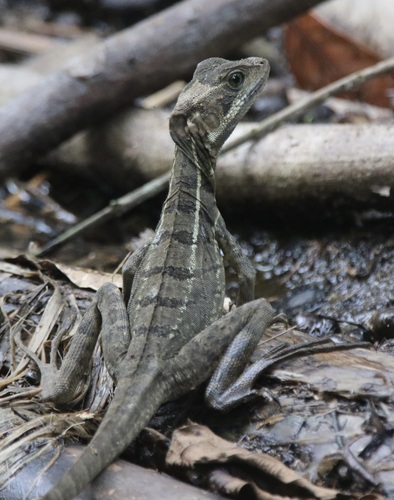
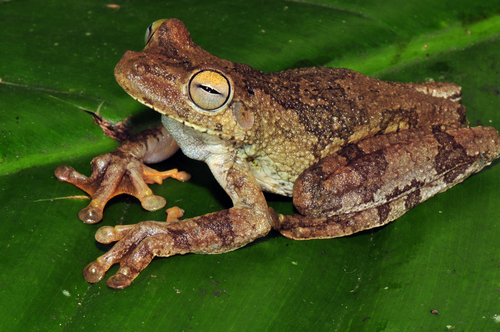
Piedras Blancas National Park has 1,068 recorded vertebrate species. The ones wildlife watchers report most often on a given day are Common Basilisk (about 80%), Scarlet-rumped Tanager (about 80%), Many-scaled Anole (about 70%), Central American Agouti (about 60%) and Common Caiman (about 60%). Among amphibians, the most-seen is Giant Marine Toad (about 60%).
When is the best time to visit Piedras Blancas National Park for wildlife?
February–March and July
In those months the park's 12 most-seen species average about 70% on a given day, against about 50% in June and September–December. Those are among Piedras Blancas National Park's driest months, with about 180 mm of rain a month against 650 mm in October.
Can you see a Central American Squirrel Monkey in Piedras Blancas National Park?
Yes
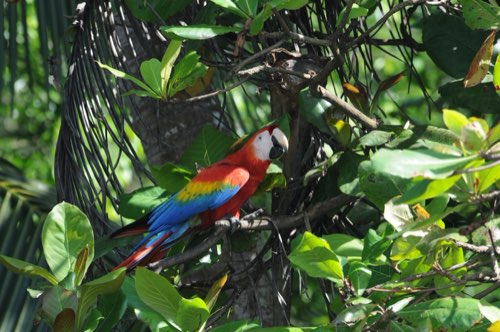
About 40% of wildlife watchers report a Central American Squirrel Monkey sighting in Piedras Blancas National Park on a given day, based on 299 verified sightings from GBIF citizen-science data from 2019 to 2026. The best time is June (about 70%).
Can you see a Scarlet Macaw in Piedras Blancas National Park?
Yes
About 30% of wildlife watchers report a Scarlet Macaw sighting in Piedras Blancas National Park on a given day, based on 973 verified sightings from GBIF citizen-science data from 2019 to 2026. The best time is June (about 50%).
Can you see a Central American Spider Monkey in Piedras Blancas National Park?
Yes
About 30% of wildlife watchers report a Central American Spider Monkey sighting in Piedras Blancas National Park on a given day, based on 88 verified sightings from GBIF citizen-science data from 2019 to 2026. The best time is June (about 40%).
Can you see a Bottlenose Dolphin in Piedras Blancas National Park?
Yes
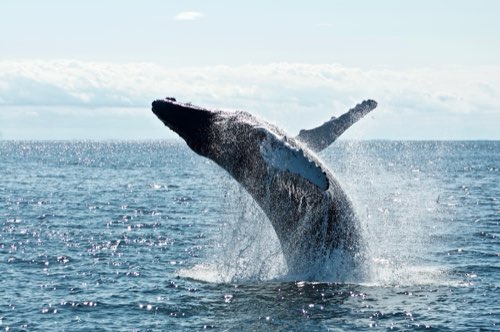
About 30% of wildlife watchers report a Bottlenose Dolphin sighting in Piedras Blancas National Park on a given day, based on 33 verified sightings from GBIF citizen-science data from 2019 to 2026. The best time is January and September (about 50%).
Where in Piedras Blancas National Park is wildlife easiest to see?
Around Esquinas Rainforest Lodge
The richest sighting zone is around Esquinas Rainforest Lodge, followed by Quebrada Balsa and Playa Cativo, ranked by how many of the park's headline animals visitors can expect to see in each. See the zones on the map.
Is Piedras Blancas National Park good for wildlife watching?
4.7 out of 5
On the Wallace's Line Score, Piedras Blancas National Park rates 4.7/5: 35th of 316 parks worldwide and 1st in Central America. 63 of its species are reported by about 40% or more of wildlife watchers on a given day.