









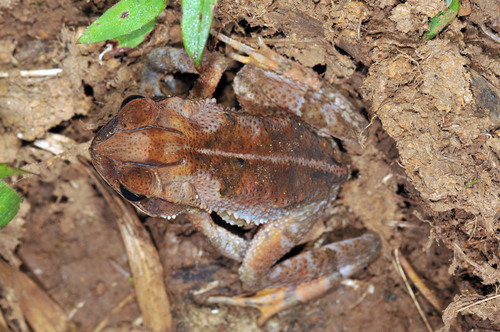


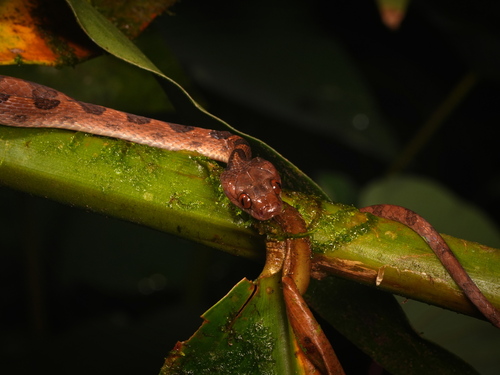


All 2 in 3 days here: ~90%
Manuel Antonio National Park
🇨🇷 Costa Rica
Central Pacific, Costa Rica 991 spp. recorded
Manuel Antonio is Costa Rica’s most visited national park and one of the smallest, packing extraordinary biodiversity into just 1,983 hectares of tropical forest and pristine white-sand beaches. Home to the endangered Central American squirrel monkey (Saimiri oerstedii) — found almost nowhere else on Earth — along with three-toed sloths, white-faced capuchins, and green iguanas visible on virtually every visit.
8.890° N 84.375° W
🦜 Nature

552 Species sighted
70,844 Verified sightings From 2019 to 2026
Nov Best month
⭐ Iconic Species
📊 Most Spotted
⭐ Iconic Species
📊 Most Spotted
📊 Most Spotted
⭐ Iconic Species
📊 Most Spotted
📊 Most Spotted
📊 Most Spotted
🌙 Most active after dark
+ 539 more species with insufficient data
Challenges you can complete here

All 4 in 3 days here: ~60%


All 4 in 3 days here: ~60%


All 5 in 3 days here: ~10%
Recent sightings in Manuel Antonio National Park
LIVEiNaturalistSighting Calendar
How many species you'd see in a day
48Jan
46Feb
46Mar
52Apr
44May
47Jun
47Jul
45Aug
47Sep
51Oct
52Nov
48Dec
* Manuel Antonio is closed every Tuesday for maintenance. Open Wednesday through Monday, 7:00 AM to 4:00 PM. Tickets must be purchased online in advance.
Sighting Zones
Warmer areas are where all species together are recorded most often.
-
Mangroves
Daily sight. prob.vs avg Black Spiny-tailed Iguana~90%≈
 Central American White-faced Capuchin~90%+10%
 Brown-throated Sloth~90%+10%
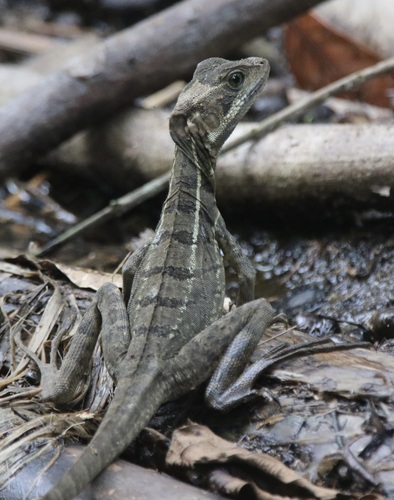
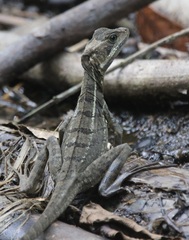 Common Basilisk~80%+10%
 Helmeted Iguana~70%+20%
 Mantled Howler Monkey~70%≈
 Central American Agouti~70%+10%
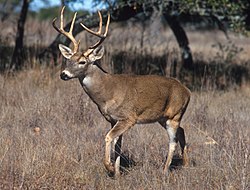 White-tailed Deer~70%+10%
 Hoffmann's Two-toed Sloth~70%≈
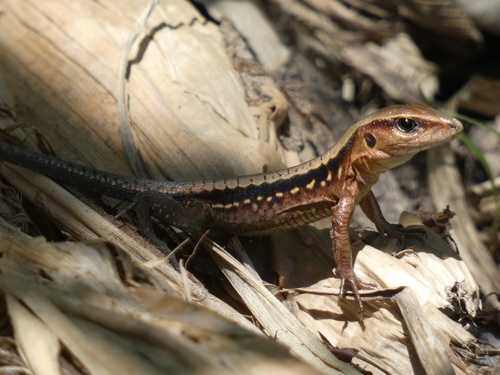
 Delicate Ameiva~60%+20%
 Black-hooded Antshrike~60%+20%
 White-nosed Coati~50%+20%
-
Finca Maritima (Playa El Rey) rice fields
Daily sight. prob.vs avg Central American Squirrel Monkey~90%+40%
- Central American White-faced Capuchin~60%-20%
 Great-tailed Grackle~60%≈
 American Crocodile~60%+40%
- Black Spiny-tailed Iguana~60%-30%
 Great Kiskadee~60%-10%
 Red-crowned Woodpecker~60%+10%
 Tropical Kingbird~60%≈
 Black Vulture~60%-10%
 Turkey Vulture~50%≈
- Brown-throated Sloth~50%-30%
 Scarlet-rumped Tanager~40%-10%
-
Biesanz beach
Daily sight. prob.vs avg- Black Spiny-tailed Iguana~90%≈
- Central American White-faced Capuchin~90%≈
- Hoffmann's Two-toed Sloth~80%+20%
- Mantled Howler Monkey~70%≈
- Common Basilisk~70%-10%
- Brown-throated Sloth~60%-20%
- Central American Agouti~50%-10%
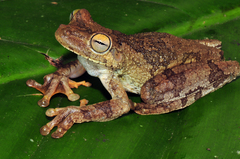 Rosenberg's Gladiator Frog~50%≈
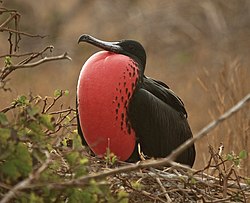 Magnificent Frigatebird~40%≈
- Great-tailed Grackle~40%-20%
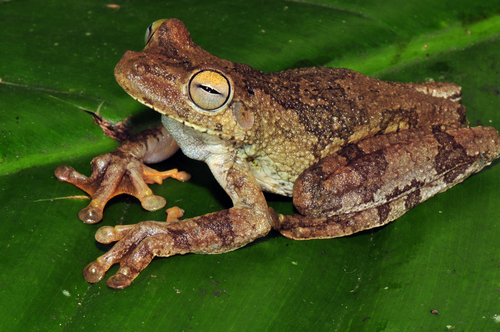
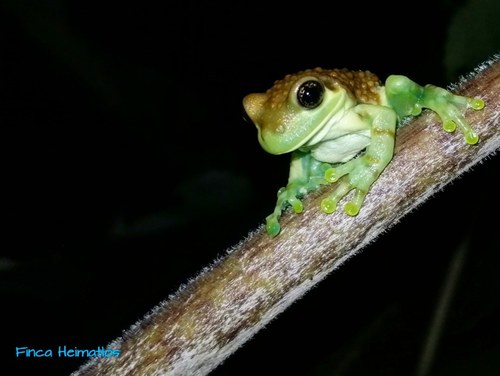
 Red-eyed Treefrog~40%≈
 Savage's Thin-toed Frog~40%+10%
-
Paso
Daily sight. prob.vs avg- Central American Squirrel Monkey>90%+40%
- Black Spiny-tailed Iguana~80%-10%
- Central American Agouti~30%-30%
- White-nosed Coati~30%≈
 Common Raccoon~30%≈
 Northern Tamandua~30%+10%
- American Crocodile~30%+20%
 Green Iguana~30%-10%
- Common Basilisk~30%-40%
- Great-tailed Grackle~20%-40%
- Black Vulture~20%-40%
- Great Kiskadee~20%-50%
🏕️ Experience
Essentials
Entrance
Paid
Tourism
High
Typical stay
1–2
daysTrails
Easy
World Heritage
No
Climate
Temp °C Rain mm
JanFebMarAprMayJunJulAugSepOctNovDec
0.0 Excellent
Wallace's Line Score
How good is this park for seeing wildlife? 🦜
Biodiversity
Very goodHow rich is the wildlife?
4.2
Species by taxon
🦅 Birds 620
🐒 Mammals 204
🦎 Reptiles 113
🐸 Amphibians 54
991 Total Species
828 Global average across 316 parks
35 Threatened 66 Endemic
🔭
Sighting
Very goodHow likely to see animals?
3.9
🎯
Top-12 Avg Probability
70% 📊
Coverage (198 species at ≥5% of 991 in the inventory)
20% 🔀
Taxon variety in top 12 (6 mammal, 3 reptile, 3 bird)
83% 🔭
Species per 10 outings (distinct species a visitor would meet over 10 outings — effort held equal across parks)
123 🌟
Iconic-group species (≥15%) (every species from the 19 iconic groups — monkeys, cats, toucans, macaws, sloths, crocodilians… — not just the 4 highlighted above)
17 ⭐
High-prob species (>40%)
28 🏕️
Experience
Very goodHow easy and pleasant is the visit?
3.6
Climate Mixed Medium
Entrance Paid Low
Tourism High Low
Trails Easy High
World Heritage No —
What visitors say
Spotting a sloth in the wild was top of our priority list and so we prepared our ‘wildlife bingo’ cards and set off to the small resort district of Manuel Antonio, outside Quepos on the west coast, to see if we could make this dream come true.
We found a Three-toed sloth on our own, a few Crab-eating raccoons on the beach, and a troop of Squirrel monkeys on the way out of the park.
We saw monkeys, lizards, an iguana, loads of colourful birds and even bumped into a family of coatis who followed us down the trail for a few hundred metres.
We walked along the "sloth trail" for a bit, enjoyed the trees and shade but saw zero sloths!
Before you go
What animals can you see in Manuel Antonio National Park?
991 species
Manuel Antonio National Park has 991 recorded vertebrate species. The ones wildlife watchers report most often on a given day are Black Spiny-tailed Iguana (about 90%), Central American White-faced Capuchin (about 90%), Brown-throated Sloth (about 80%), Common Basilisk (about 80%) and Mantled Howler Monkey (about 70%). Among birds, the most-seen is Great Kiskadee (about 70%); among amphibians, Red-eyed Treefrog (about 50%).
When is the best time to visit Manuel Antonio National Park for wildlife?
Any time of year
Wildlife is about as easy to see all year: the park's 12 most-seen species average about 70% on a given day in every month with enough records. The driest month is February (about 35 mm of rain) and the wettest October (about 950 mm).
Can you see a Central American Squirrel Monkey in Manuel Antonio National Park?
Yes
About 60% of wildlife watchers report a Central American Squirrel Monkey sighting in Manuel Antonio National Park on a given day, based on 629 verified sightings from GBIF citizen-science data from 2019 to 2026. The best time is February and April (about 70%).
Can you see a Central American White-faced Capuchin in Manuel Antonio National Park?
Yes
About 90% of wildlife watchers report a Central American White-faced Capuchin sighting in Manuel Antonio National Park on a given day, based on 1,288 verified sightings from GBIF citizen-science data from 2019 to 2026.
Can you see a Brown-throated Sloth in Manuel Antonio National Park?
Yes
About 80% of wildlife watchers report a Brown-throated Sloth sighting in Manuel Antonio National Park on a given day, based on 737 verified sightings from GBIF citizen-science data from 2019 to 2026. The best time is November to September (about 80%).
Can you see a Black Spiny-tailed Iguana in Manuel Antonio National Park?
Yes
About 90% of wildlife watchers report a Black Spiny-tailed Iguana sighting in Manuel Antonio National Park on a given day, based on 1,677 verified sightings from GBIF citizen-science data from 2019 to 2026.
Where in Manuel Antonio National Park is wildlife easiest to see?
Around Mangroves
The richest sighting zone is around Mangroves, followed by Finca Maritima (Playa El Rey) rice fields and Biesanz beach, ranked by how many of the park's headline animals visitors can expect to see in each. See the zones on the map.
Is Manuel Antonio National Park good for wildlife watching?
4.0 out of 5
On the Wallace's Line Score, Manuel Antonio National Park rates 4.0/5: 109th of 316 parks worldwide and 14th in Central America. 33 of its species are reported by about 40% or more of wildlife watchers on a given day.