













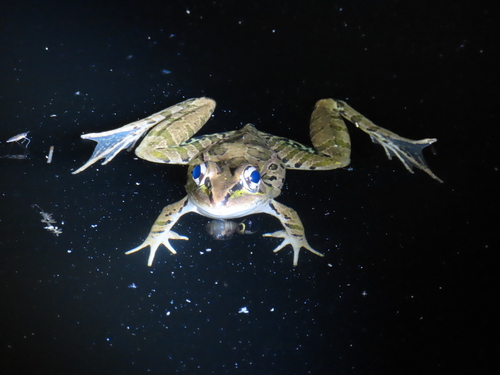


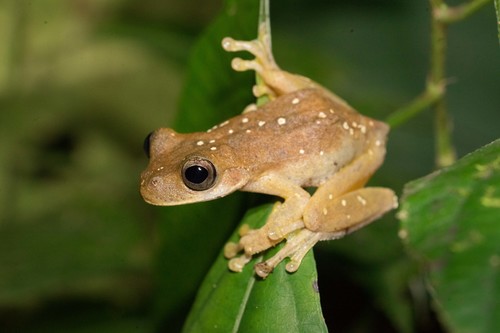


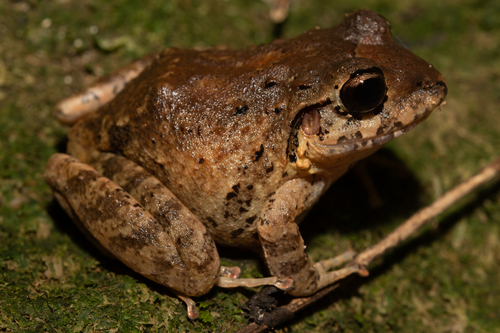


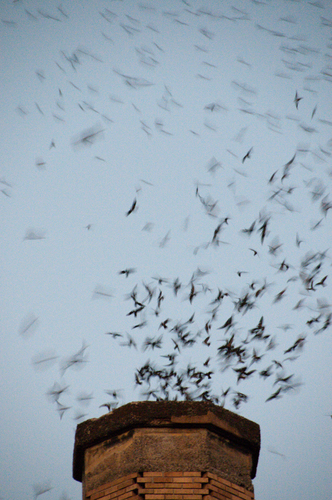

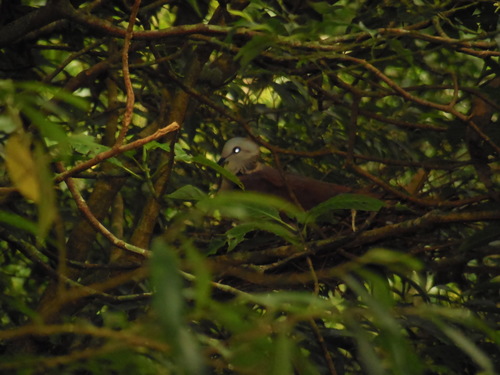


All 5 in 3 days here: ~20%
Cusuco National Park
🇭🇳 Honduras
Cortés, Honduras 962 spp. recorded
Cusuco is cloud forest in the Merendón mountains, and it is best known for its amphibians: the Cusuco stream frog, which lives in these streams and almost nowhere else, is recorded on half of all visits.
15.539° N 88.265° W
🦜 Nature

419 Species sighted
22,456 Verified sightings From 2019 to 2026
Apr Best month
⭐ Iconic Species
📊 Most Spotted
📊 Most Spotted
⭐ Iconic Species
📊 Most Spotted
📊 Most Spotted
⭐ Iconic Species
📊 Most Spotted
📊 Most Spotted
⭐ Iconic Species
🌙 Most active after dark
+ 647 more species with insufficient data
Challenges you can complete here
Recent sightings in Cusuco National Park
LIVEiNaturalistSounds of Cusuco National Park
Morning soundscape1:18
Honduras · 2015
© Samuel Jones · XC287723 · CC BY-NC-SA 4.0
Sighting Calendar
How many species you'd see in a day
30Jan
38Feb
40Mar
48Apr
45May
42Jun
36Jul
35Aug
38Sep
39Oct
29Nov
29Dec
Sighting Zones
Warmer areas are where all species together are recorded most often.
-
Tierra Santa Omoa Cortes
Daily sight. prob.vs avg -
Sector Base Camp
Daily sight. prob.vs avg -
Sector Cantiles
Daily sight. prob.vs avg Copan brook frog~70%+50%
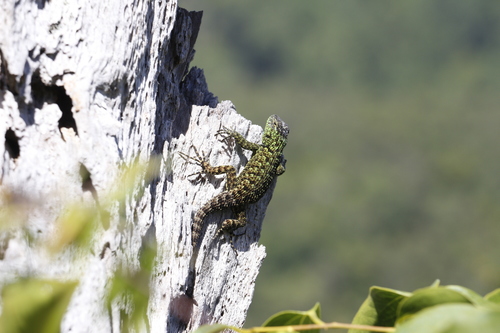
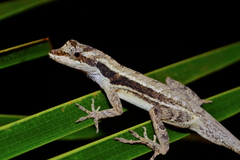
 Merendon Emerald Spiny Lizard~70%+20%
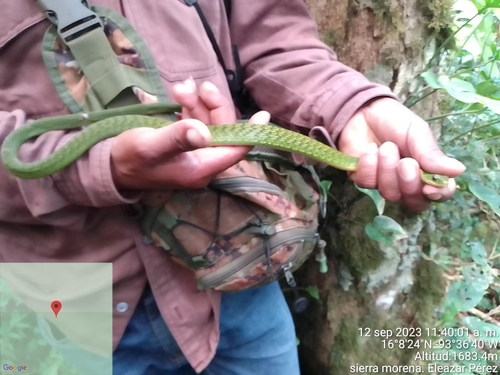
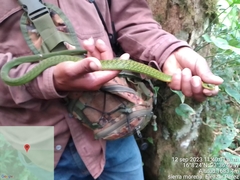 Green Highland Racer~60%+10%
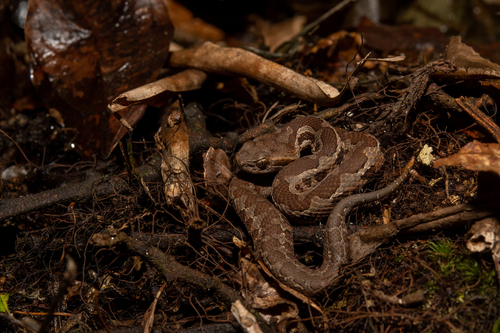
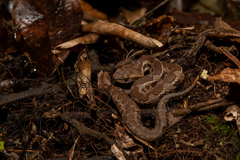 Wilson's Montane Pitviper~60%+20%
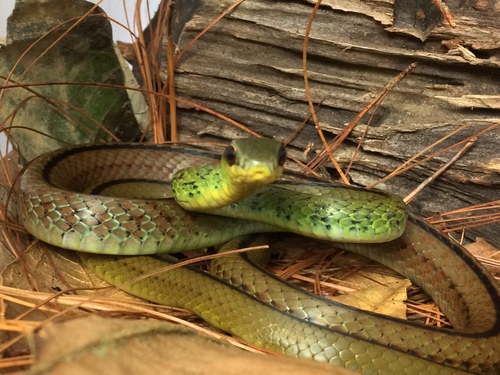
 Blunthead Tree Snake~50%+10%
 Bighead Anole~40%+10%
 Central American Jumping Pit Viper~40%+10%
 Bromeliad tree frog~40%≈
 Honduras Spikethumb Frog~40%+20%
 Keel-billed Toucan~30%-30%
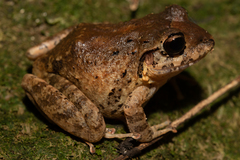 Chortis Streamside Frog~30%+20%




🏕️ Experience
Essentials
Entrance
Paid
Tourism
Low
Typical stay
1
dayTrails
Hard
World Heritage
No
Climate
Temp °C Rain mm
JanFebMarAprMayJunJulAugSepOctNovDec
0.0 Good
Wallace's Line Score
How good is this park for seeing wildlife? 🦜
Biodiversity
Very goodHow rich is the wildlife?
4.5
Species by taxon
🦅 Birds 585
🐒 Mammals 171
🦎 Reptiles 153
🐸 Amphibians 53
962 Total Species
828 Global average across 316 parks
56 Threatened 91 Endemic
🔭
Sighting
GoodHow likely to see animals?
2.8
🎯
Top-12 Avg Probability
60% 📊
Coverage (236 species at ≥5% of 962 in the inventory)
25% 🔀
Taxon variety in top 12 (12 bird)
0% 🔭
Species per 10 outings (distinct species a visitor would meet over 10 outings — effort held equal across parks)
149 🌟
Iconic-group species (≥15%) (every species from the 19 iconic groups — monkeys, cats, toucans, macaws, sloths, crocodilians… — not just the 4 highlighted above)
6 ⭐
High-prob species (>40%)
22 🏕️
Experience
GoodHow easy and pleasant is the visit?
3.3
Climate Mixed Medium
Entrance Paid Low
Tourism Medium Medium
Trails Hard Low
World Heritage No —
What visitors say
Before you go
What animals can you see in Cusuco National Park?
962 species
Cusuco National Park has 962 recorded vertebrate species. The ones wildlife watchers report most often on a given day are Clay-colored Thrush (about 80%), Golden-fronted Woodpecker (about 70%), Brown Jay (about 70%), Rufous-tailed Hummingbird (about 60%) and Melodious Blackbird (about 60%). Among reptiles, the most-seen is Merendon Emerald Spiny Lizard (about 50%); among amphibians, Highland Frog (about 50%).
When is the best time to visit Cusuco National Park for wildlife?
March–May and November
In those months the park's 12 most-seen species average about 70% on a given day, against about 40% in June.
Can you see a Resplendent Quetzal in Cusuco National Park?
With luck
About 10% of wildlife watchers report a Resplendent Quetzal sighting in Cusuco National Park on a given day, based on 73 verified sightings from GBIF citizen-science data from 2019 to 2026. The best time is June (about 30%). Sightings take luck and time in the field.
Can you see a Copan brook frog in Cusuco National Park?
Yes
About 30% of wildlife watchers report a Copan brook frog sighting in Cusuco National Park on a given day, based on 61 verified sightings from GBIF citizen-science data from 2019 to 2026. The best time is July (about 50%).
Can you see a Keel-billed Toucan in Cusuco National Park?
Yes
About 60% of wildlife watchers report a Keel-billed Toucan sighting in Cusuco National Park on a given day, based on 409 verified sightings from GBIF citizen-science data from 2019 to 2026. The best time is April–June and August (about 70%).
Where in Cusuco National Park is wildlife easiest to see?
Around Tierra Santa Omoa Cortes
The richest sighting zone is around Tierra Santa Omoa Cortes, followed by Sector Base Camp and Sector Cantiles, ranked by how many of the park's headline animals visitors can expect to see in each. See the zones on the map.
Is Cusuco National Park good for wildlife watching?
3.3 out of 5
On the Wallace's Line Score, Cusuco National Park rates 3.3/5: 239th of 316 parks worldwide and 38th in Central America. 33 of its species are reported by about 40% or more of wildlife watchers on a given day.


