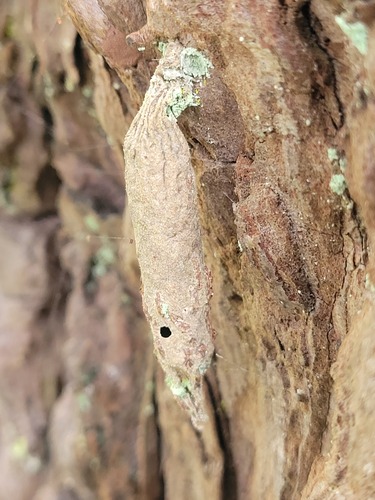
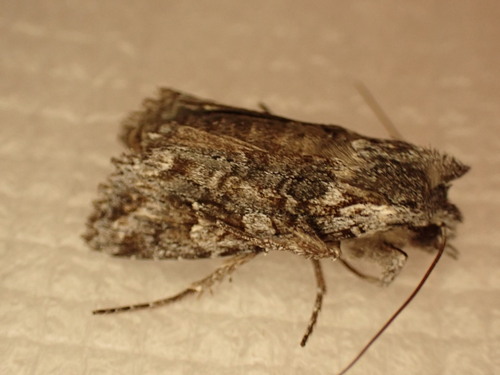
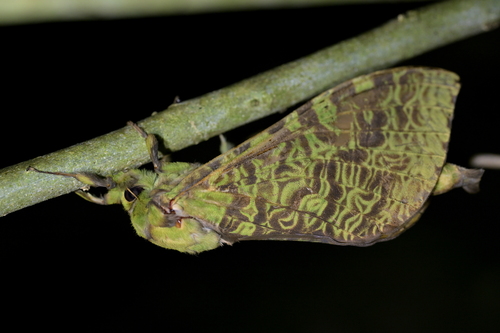
Atomotricha isogama

Atomotricha isogama

Atomotricha isogama

Daily sighting probability ~10% · With luck
at Egmont National Park

In 3 days ~30% in a week ~50%

8 Verified sightings at Egmont National Park From 2019 to 2026
8 In 1 park
October Best month
🌙 Nocturnal When it's spotted

About the Atomotricha isogama

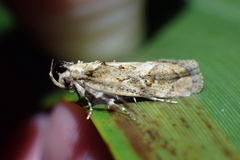
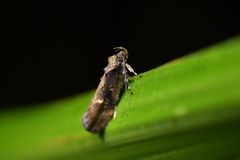
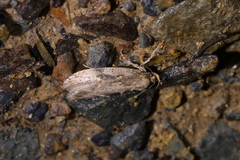
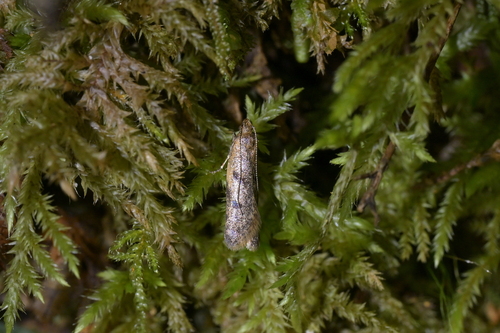
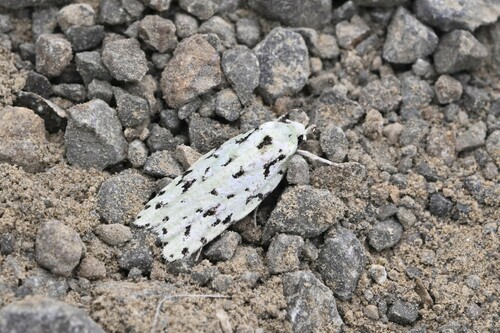
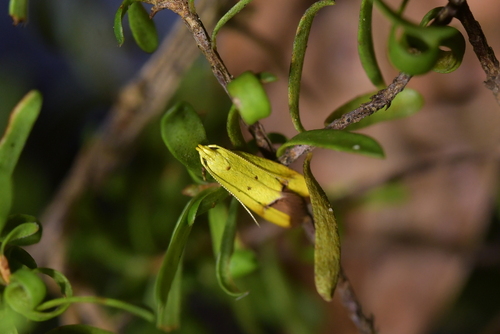
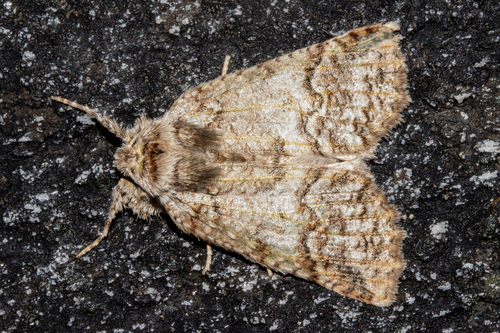
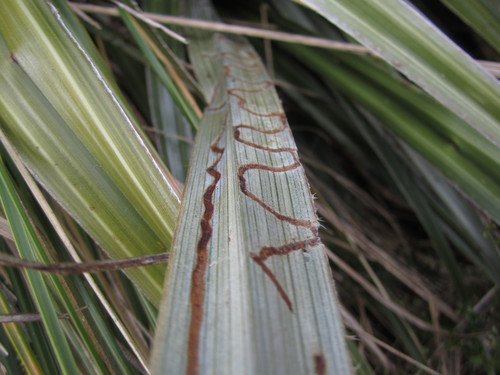
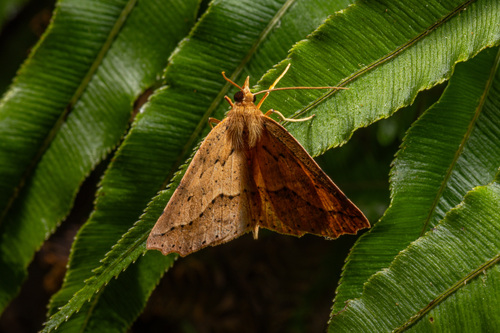
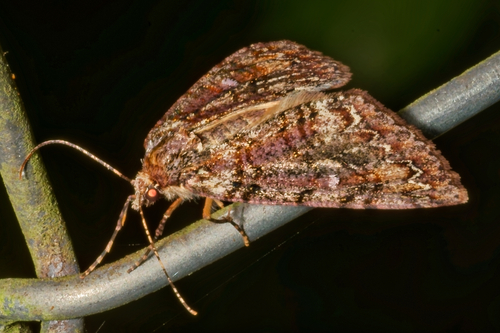
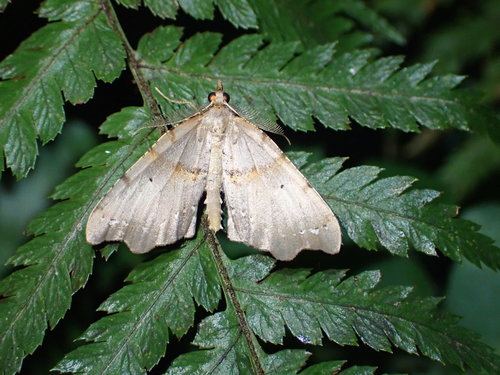
Atomotricha isogama is a moth in the family Oecophoridae. It was first described by Edward Meyrick in 1909. This species is endemic to New Zealand and has been observed in the North and South Islands. Larvae are leaf litter feeders and have been recorded as emerging in the New Zealand spring. Adults have been observed on the wing from July to January.

This species was first described by Edward Meyrick in 1909 using two specimens collected in Wellington by George Hudson. In 1927 Arthur Philpott studied the male genitalia of this species. The male lectotype specimen is held at the Natural History Museum, London.

Meyrick first described this species as follows: ♂♀. 23 mm. Head and thorax whitish-ochreous, in ♂ more brownish-tinged. Palpi whitish-ochreous, externally with a few scattered dark-fuscous scales. Antennae whitish-ochreous, obscurely ringed with dark fuscous. Abdomen whitish-ochreous, in ♂ more brownish, dorsally suffused with brassy-golden except on margins of segments. Forewings elongate, costa moderately arched, apex obtuse, termen very obliquely rounded; whitish-ochreous, with a few scattered dark-fuscous scales, in ♂ mostly suffused with... Wikipedia →

Global Distribution

Parks Where Found

# Park Country Daily sighting probability
1 Egmont National Park 🇳🇿 New Zealand
~10%

More parks will be added in future updates.

Closest Relatives at Egmont National Park

Before you go

What are the chances of seeing an Atomotricha isogama in Egmont National Park?

With luck

About 10% of wildlife watchers report an Atomotricha isogama sighting in Egmont National Park on a given day, based on 8 verified sightings from GBIF citizen-science data from 2019 to 2026. It is the 99th most-seen of the 191 insects we can rate there. Over three days the chance rises to about 30%, and over a week to about 50%, if each day is a fresh chance.

When is the best time to see an Atomotricha isogama in Egmont National Park?

October

In that month about 30% of wildlife watchers report an Atomotricha isogama in Egmont National Park on a given day, against under 5% in February to August, the lowest months.

What time of day is best to see an Atomotricha isogama?

Between 8 and 11 pm

Across all the parks we cover, that three-hour window holds the most Atomotricha isogama sightings with a recorded time, and nearly all of them come between 6 pm and 6 am: it is mostly seen at night.

Where else can you see an Atomotricha isogama?

Only Egmont National Park, in our data

Egmont National Park is the only park on Wallace's Line with enough records to rate Atomotricha isogama sightings: about 10% of wildlife watchers there report one on a given day.

Where does the Atomotricha isogama sighting chance come from?

GBIF citizen-science records

It is estimated from how often the Atomotricha isogama is recorded against all the insects logged in Egmont National Park (8 verified sightings from 2019 to 2026), calibrated against known sighting rates. Figures are rounded to the nearest 10% because citizen-science data supports honest approximations, not decimals, and months with records from fewer than five people show "—". How it works.

← Back to Egmont National Park